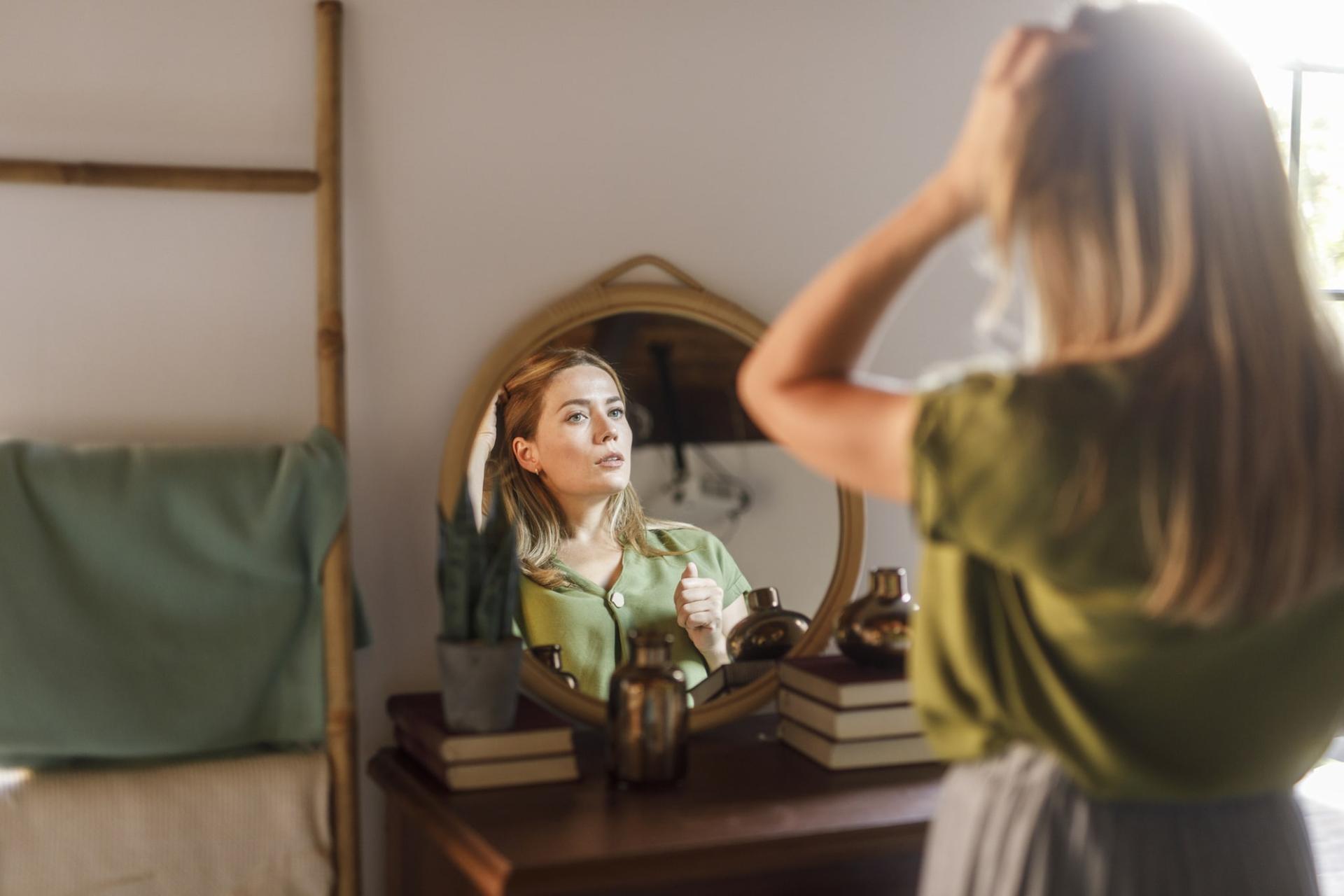
Before anyone gets the wrong idea, I want to say I feel really good in my own skin. Closer to 40 than 30, I still believe I’m fit, cheerful, holding up well, and I’m not surprised at all when twenty-year-olds turn their heads after me on the street. I don’t think a woman starts to fade or loses her charm after 25, nor that her "value" decreases. But it’s true that we change, and those crow’s feet, dark circles, and the occasional sunspots around my eyes have no special cause other than living life without a filter on my face.
I find it shocking that thanks to social media’s filtered reality and the perfectly retouched world of ads, some people are genuinely surprised that we women don’t wake up every morning with flawless skin. Yes, our skin loses collagen over time—that’s well drilled into us by ads—but it seems we also bought into the idea that one cream can stop the clock.
So if someone’s skin isn’t perfect right now, there’s probably a reason. Maybe all it needs is a good night’s sleep, a moisturizing cream, or a big glass of water, and things will settle—because right now, they’re just not quite right. This state, in this form, obviously can’t last.
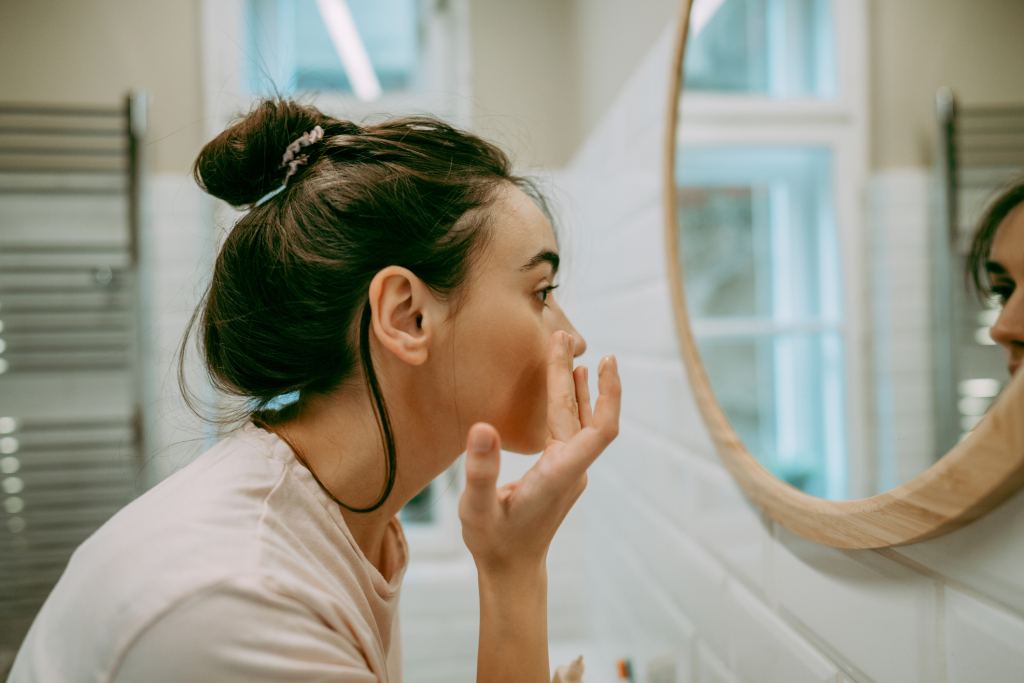
I truly believe we can do a lot to look and feel our best, and yes, what we eat, how much we move, and whether we recharge physically and mentally really matters.
Beauty Myths vs. Reality
There’s a difference between not letting yourself go and accepting reality. You can look amazing at 40, but you won’t look the same as you did at 20. Some come closer to that than others, but everyone ages, and no miracle cream, expensive facial treatment, or even plastic surgery can change that fact. And there’s absolutely nothing wrong with that.
There’s no need to apologize or explain yourself endlessly, promising that a good night’s sleep will fix everything so you won’t look this way tomorrow—when we all know the only change tomorrow will bring is that we’ll be one day older.
So, while I’ll keep wearing my face mask, using my eye cream, making sure I get enough sleep, and sticking to regular workouts, if someone asks me again why I look tired or worn out, I’ll tell them it’s because I’m no longer 16. What they see isn’t a “flaw” I’m responsible for fixing—or even something I should fix—but a state of being. It’s called life, and it leaves its mark on all of us. And honestly, I’m grateful for mine.