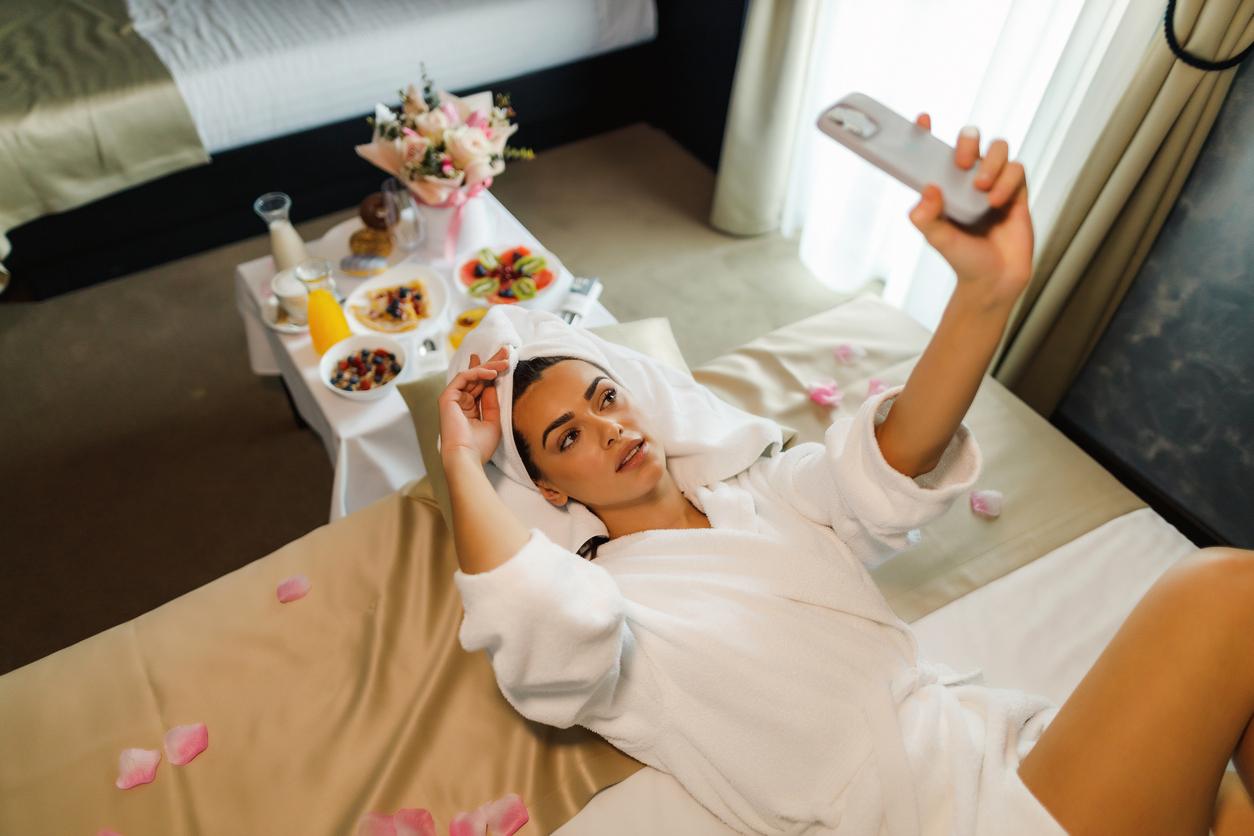
I’ve always had a love-hate relationship with fashion: it inspired me, invited me to play, then suddenly shut me out when I couldn’t find anything in stores that truly felt like me.
I could understand that. Trends come and go, styles change, and I’m happy to wait and rock clothes I bought years ago. But I never expected it would be faces that start to look strikingly similar, and that while scrolling, I’d sometimes feel like the same woman is staring back at me over and over.
In recent years, a distinct beauty pattern has emerged worldwide: almond-shaped eyes, pronounced cheekbones, a narrowed nose, full, precisely outlined lips, a sharp jawline, and perfectly groomed eyebrows lined up like soldiers.
Filters have been smoothing our skin, enlarging our eyes, and refining our features for years—disguised as nothing more than looking for better light by the window for a photo. Meanwhile, algorithms quietly do their work behind the scenes: showing what works, what gets clicks, what sparks reactions, and subtly setting the standard everyone follows.
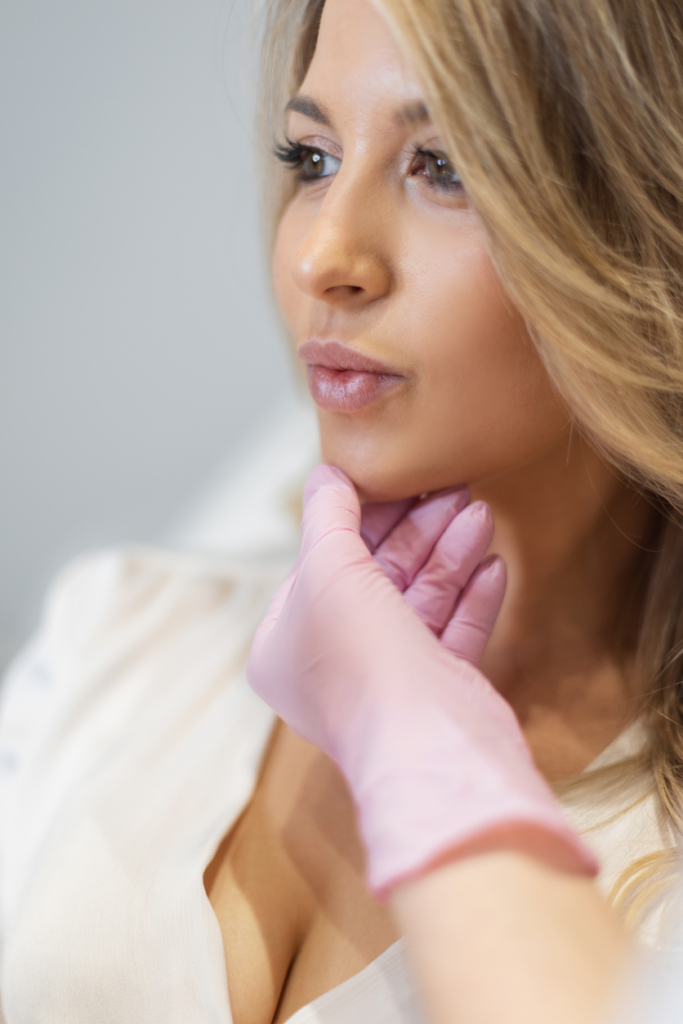
Social Media Plays by Its Own Rules
A strong image is one that stops your thumb mid-scroll—it hits instantly. It’s no surprise the same poses, head tilts, half-smiles, and “accidentally perfect” setups keep popping up, and that over time you start to believe: you can only be popular if you fit in. And it’s easy to do—what once took hours of retouching for a magazine is now just seconds on your phone.
At the same time, more and more women aren’t bringing a famous actress’s or singer’s (retouched) photo to their aesthetic consultations, but their own filtered selfies. The version where “everything’s just a little smoother and more balanced.” As if there’s nothing wrong with that, as if these tweaks are just a “little refresh”—just look how often beauty clinics advertise with slogans like that!
But This Is Where the Fun Suddenly Gets Serious
Not long ago, plastic surgery was a major, permanent decision. Today, we live in a world of injectable treatments that last six months to a year, are quick, and often fit into a lunch break.
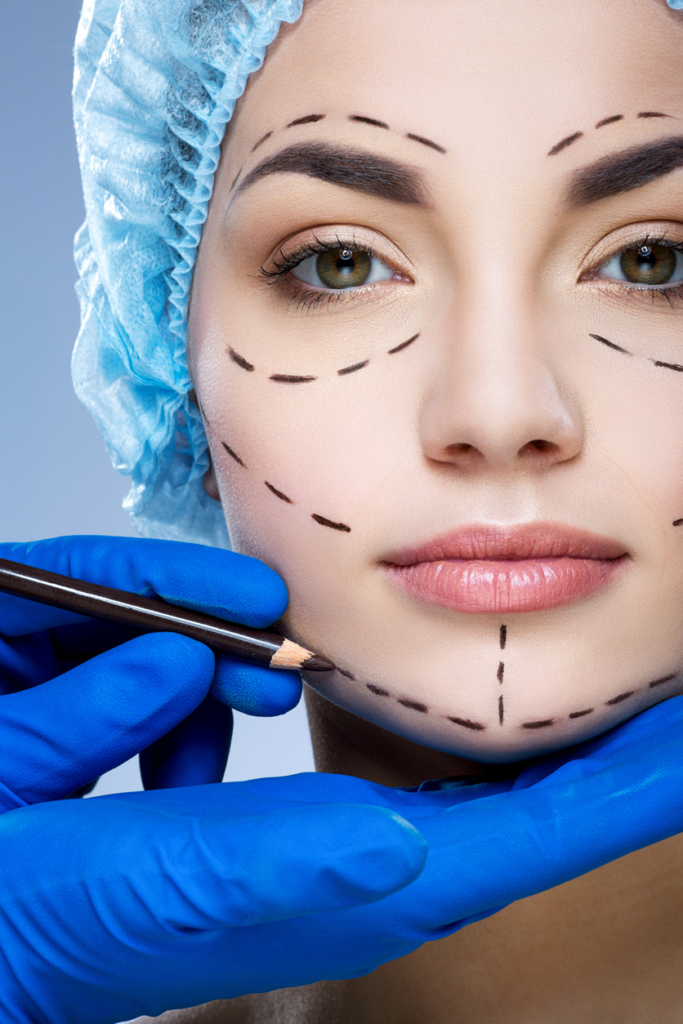
Lip enhancement, smoothing expression lines, defining the jawline, or slimming the face contour—these often show up not as dramatic transformations but as “small tweaks.”
The online world has built a whole universe around this: before-and-after photos, sped-up smiling treatment videos, hundreds of thousands to millions of views. Once you watch one, the system keeps serving similar content for weeks, quietly normalizing these procedures so they start to feel less extreme and more like a natural step if you want to “improve” yourself.
When Your Face Becomes a Project
I’ve read a lot about the history of female beauty ideals, and one pattern keeps coming up: pain, pressure to conform, and a struggle with self-worth accompany the pursuit of physical perfection. Women risked their lives to fit the beauty standards of their time—and risked a lot if they couldn’t find a husband. But today, there’s something uniquely unsettling: the desire to fit in has no start or end. We’re constantly present, posting, reacting, and whether we want to or not, watching what works better and what gets more feedback.
It’s easy to slip into thinking your face and body are just surfaces to optimize, where underperforming parts need fixing.

I’ll admit, it’s not always easy for me to face change. I see my skin isn’t as firm as ten years ago, the lines around my eyes are deeper, and mornings take longer to pull myself together. But I’m growing in other ways and, above all, trying not to fight my reflection. Aging gracefully is tough because the world doesn’t applaud it, but I’m starting to feel my face is more like a diary, showing that most of my crow’s feet come from lots of laughter.
While I’d love to declare war on constant filter use, I’m not against treatments. You can’t deny that a well-chosen procedure can truly boost confidence for many.
So my critique of cookie-cutter faces isn’t aimed at individuals, but at a mindset.
It’s the idea that beauty can be measured, optimized, and redesigned by a template. If we let only this logic reshape our faces, we’ll lose the diversity that makes looking at each other worthwhile.