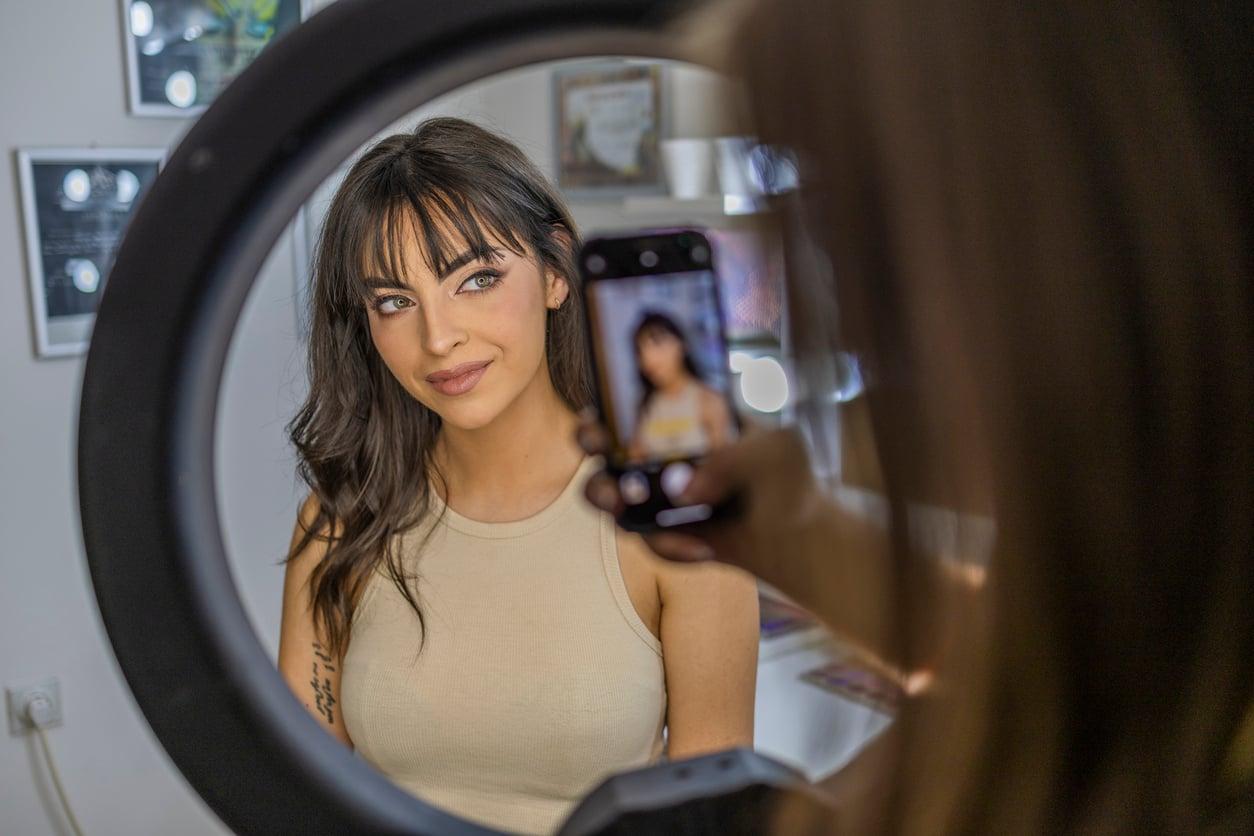
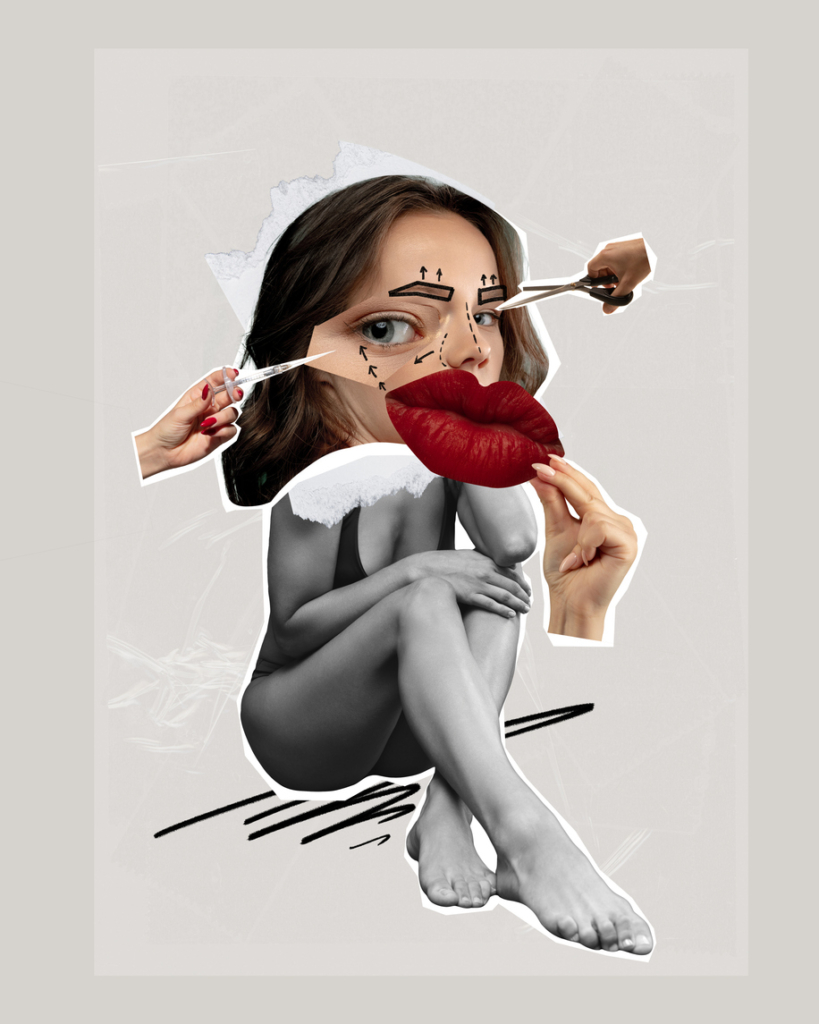
A study from last year confirmed that social media filters promote plastic surgery. At first glance, virtual beautification might seem like harmless fun, but in reality, it imposes an invisible template that slowly consumes our individuality.
It’s time to face the fact that what we see on screens isn’t our future, but an algorithm-driven, artificial beauty ideal—a one-size-fits-all mold squeezing us all in.
You may have noticed that everyone on social media is starting to look the same. This isn’t a coincidence but the result of a carefully crafted “digital beauty template.” The 2025 study Build-a-face: homogeneity, racialisation and Eurocentric beautification in Instagram AR face filters revealed how social media filters confine us within a narrow aesthetic box.
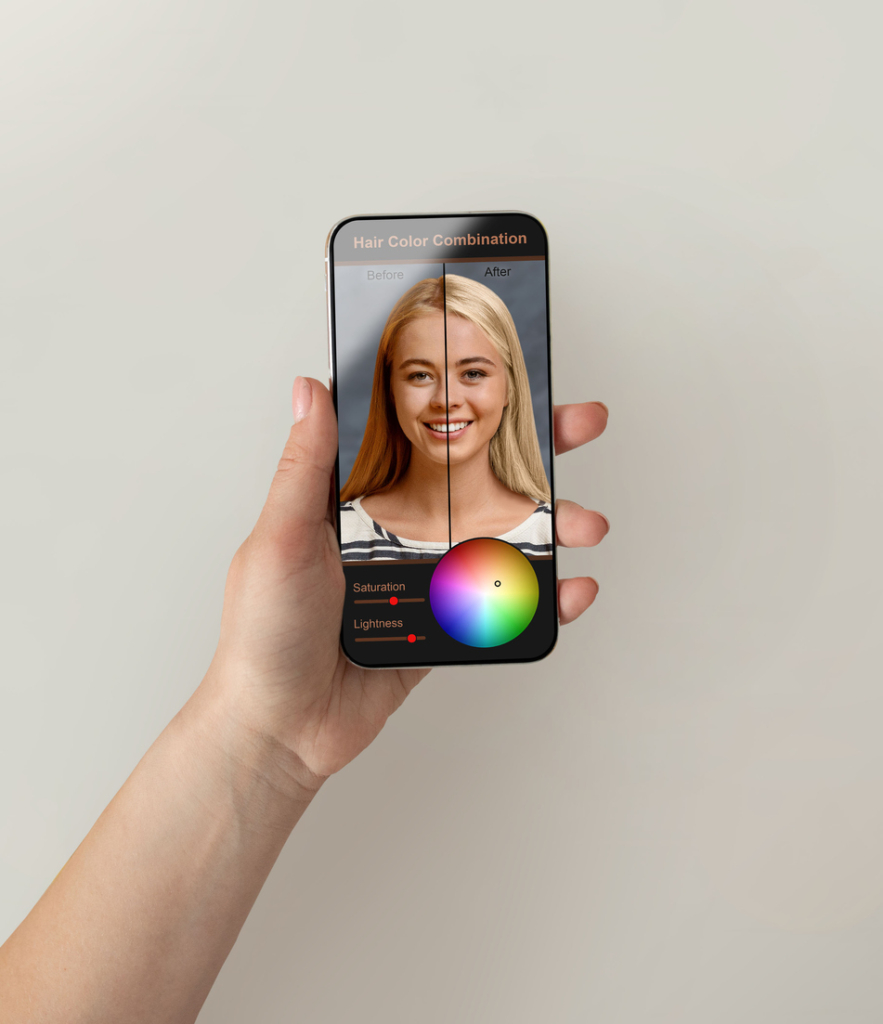
Lauren A. Miller, an expert on the topic, examined 225 popular effects and found something striking: filters almost always apply the same changes to all of us.
When Technology Picks and Chooses Cultures
One of the study’s most fascinating and unsettling findings was that these filters engage in a kind of “selective cultural appropriation.” It’s like filling your plate at a buffet with only the flashiest dishes, ignoring the subtler, less showy flavors.
Filters make certain ethnic traits (like fuller lips) trendy while erasing others. This creates a look that’s “interestingly exotic” but really clings awkwardly to a white beauty ideal—what many call the Instagram face.
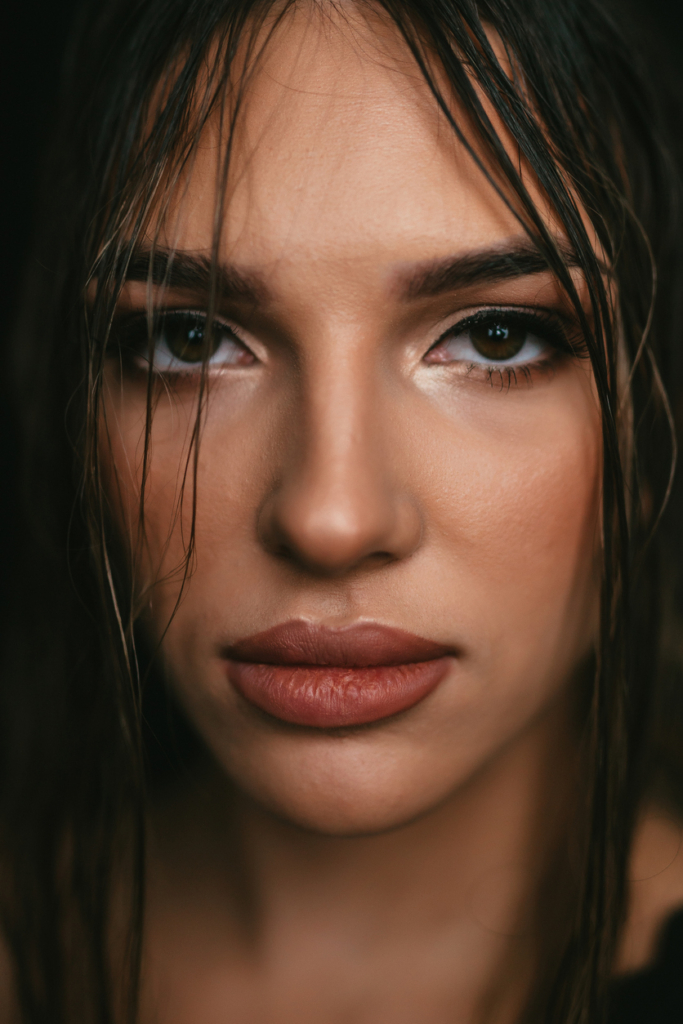
For example, the “doe eyes” trend faded in recent years, replaced by the alluring, cat-eye look. While the latter clearly originates from smaller ethnic groups, filters quickly compensate by pairing the cat eyes with lighter eye colors—signaling a dominance of European features.
A Free Trial Version of Plastic Surgery
Perhaps the most dangerous feature introduced by filters is the interactive sliders. These controls let you resize your nose or plump your lips to your liking.
It’s like building your perfect character in a video game!
Lauren A. Miller warns that these “sliders” have actually become trial tools for plastic surgeries. With just seconds on our phone screens, we can achieve the desired change and erase perceived or real flaws, making cosmetic procedures feel almost like a casual game.
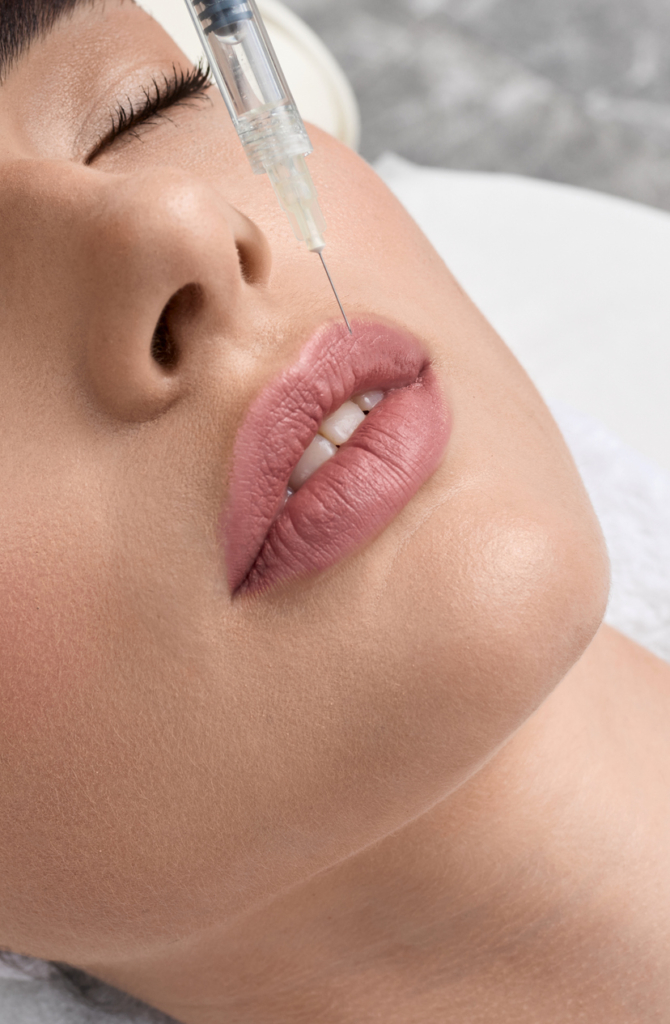
This game has led younger generations to see cosmetic procedures as everyday accessories—especially with today’s modern injectable treatments.
Yet this trend can deeply affect our self-esteem, whether or not we actually undergo any cosmetic treatments. Spending hours mesmerized by a face created only by pixels can make meeting our real reflection a painful disappointment.
Experts have named this phenomenon “Snapchat dysmorphia.” It’s when someone desperately wants to look like their filtered photo in real life.
The problem starts when our brains begin to accept smooth skin and unnaturally large eyes as the norm. We then see normal human features (like visible pores, wrinkles, or asymmetry) as flaws.
Meta has announced it will remove most augmented reality filters from its platforms, but experts say this won’t solve the problem.
The desire for the “Instagram face” is already deeply embedded in our collective consciousness.
If we can’t cheat within the app, we simply move to external photo editors where retouching becomes even more invisible and harder to detect.
The solution isn’t banning filters but raising awareness: we need to relearn how to see and love our unfiltered faces and recognize that digital perfection is actually a dull, soulless illusion.