Whether you love them or not, we’re living in the era of lip fillers. Chances are you know someone who’s tried it, or maybe you’ve even wondered what it’d be like to smile with fuller, more defined lips in photos. On social media, most people share just a few minutes of discomfort and instant, stunning results. But the reality is more complex, with some important factors rarely getting the spotlight.
Behind those perfectly posed photos and quick videos, the full story often goes untold. Decisions are made fast, but the effects can last much longer. That’s why it’s worth pausing to consider not only the enthusiastic reviews but also the less obvious aspects.
The Long-Term Impact of a Quick Decision
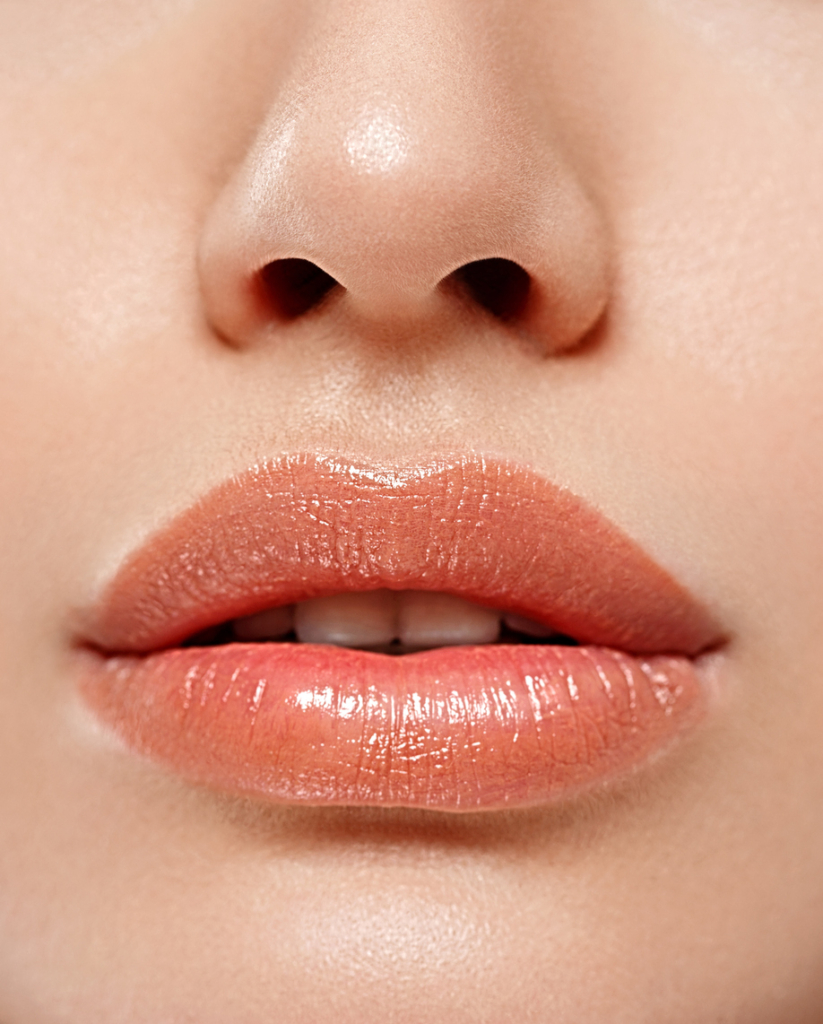
Lip fillers most often use hyaluronic acid, a temporary, absorbable solution. But that doesn’t mean it’s risk-free. The injected material doesn’t always spread evenly, which can cause lumps, asymmetry, or unnatural shapes. Sometimes, overcorrection leads to lips that look disproportionate, disrupting facial harmony.
While the initial results are striking, after a few weeks the filler may settle differently than expected.
Regular touch-ups can easily turn into a maintenance cycle, as many ask for a refill as soon as the filler absorbs. Few consider that repeated treatments can change tissue structure over time. Skin may stretch, and the natural lip contour can blur, making ongoing “maintenance” necessary instead of simply restoring the original look.
In some cases, the filler doesn’t absorb evenly, requiring corrective procedures. This means extra costs, time, and discomfort.
Medical Risks and Complications
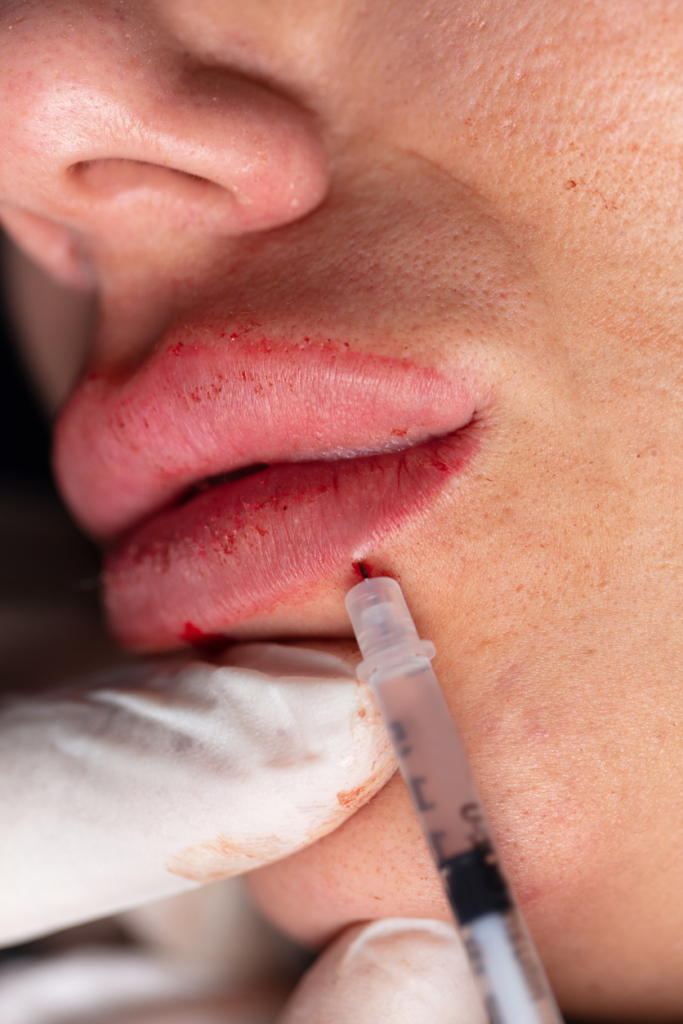
Though often called a quick cosmetic procedure, lip filler injections are medical treatments.
Infections, inflammation, allergic reactions, or significant bruising can occur.
Less commonly, the injection may miss the target area, causing blood vessel damage, tissue death, or lasting pain. These risks rarely get mentioned alongside the flawless “before and after” photos.
Healing times vary: some recover in days, while swelling and sensitivity can last weeks for others. Risks increase if the procedure is done by someone unqualified or outside a sterile environment. Low prices and quick appointments might be tempting, but a botched treatment can cost much more in health and follow-up care. Complications can lead to serious health issues requiring specialist intervention.
The Psychological Side We Rarely Discuss
Lip fillers aren’t just a physical change. Social media’s beauty ideals can distort self-image, especially for younger people. Comparing yourself to filters or retouched photos can lead to dissatisfaction with your natural look. For many, it’s not a one-time choice but the start of a process where more areas get “tweaked” over time.
This constant comparison can chip away at self-esteem. Confidence built on external approval is fragile. If compliments fade or trends shift, it can spark insecurity and a desire for more procedures. Beauty standards evolve constantly—what’s trendy now may feel excessive in a few years.
The weight of this decision ties not just to current trends, but to your future self-image.

The Importance of Naturalness and Conscious Choices
There’s no one-size-fits-all verdict on lip fillers. For some, it’s a genuine confidence boost and positive experience. The key is awareness. Decisions shouldn’t be impulsive, trend-driven, or pressured by others. Take time to research, consult trusted professionals, and set realistic expectations.
On Instagram, we mostly see the glossy final look—not the swelling, pain, doubts, or possible corrections.
True beauty isn’t just about full lips, but how much we accept and love our unique faces. Being conscious means acknowledging risks and preparing for imperfect results. The best choice comes from your own thoughtful intention and long-term satisfaction—not fleeting trends.