Our modern society is changing faster than ever, especially when it comes to ideals of beauty and femininity. Social media platforms like TikTok and Instagram, where influencers dominate the scene, shape what it means to be a "good woman" today. By 2026, this image will be even more distorted, largely due to AI-generated unrealistic female prototypes. But how does this affect our self-esteem, and how can we cope?
The Myth of the "Good Woman"
Over the decades, many expectations have been placed on women. The lifestyles promoted by influencers, the carefully edited images, and the "perfect moments" they share suggest that beauty is all-powerful and almost unattainable.
The situation worsens as AI-generated images often cross the boundaries of reality. They create female images that literally don’t exist in real life, yet are presented as role models.
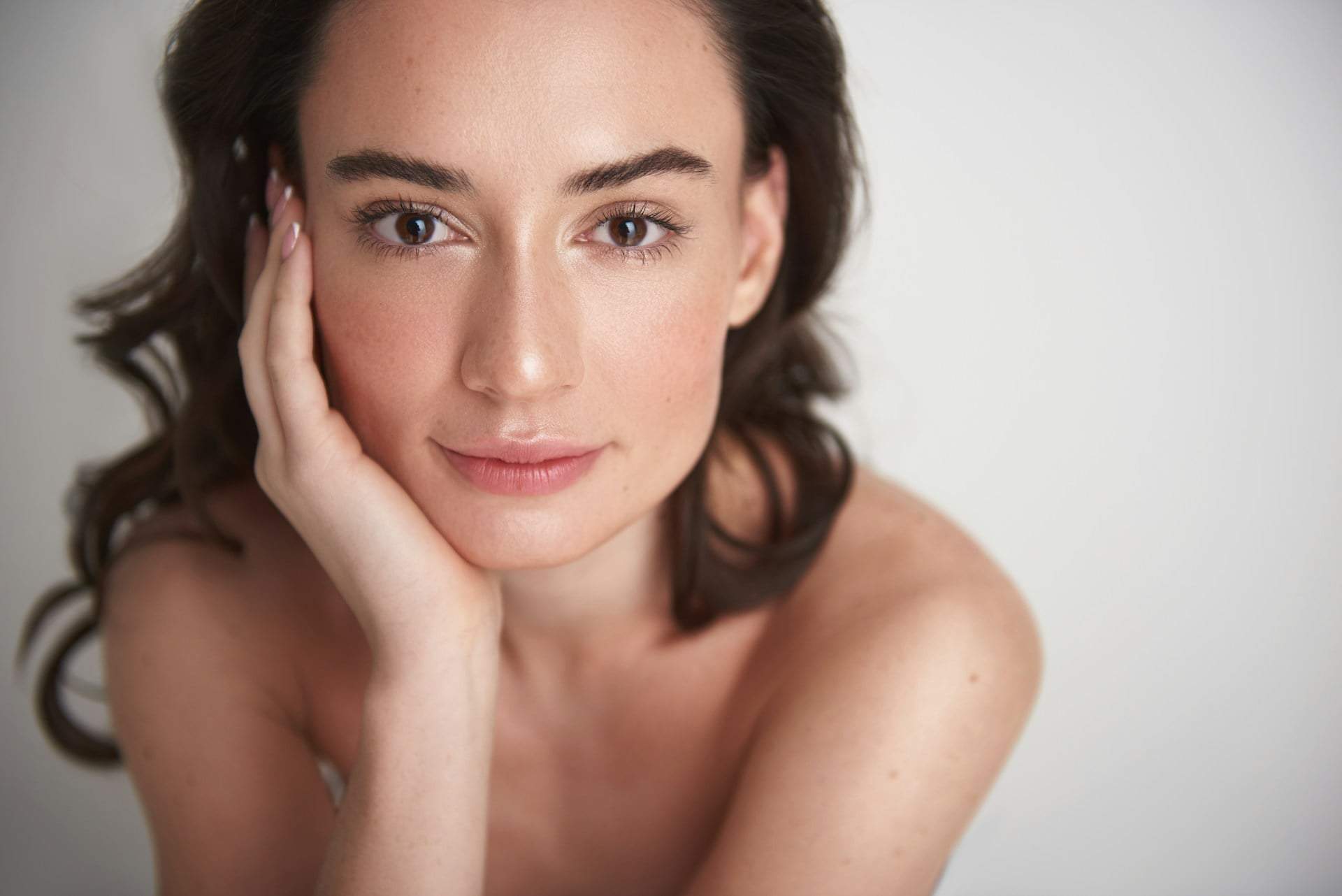
Generated women have flawless skin and perfect proportions, setting impossible standards for real women.
Generated Ideals
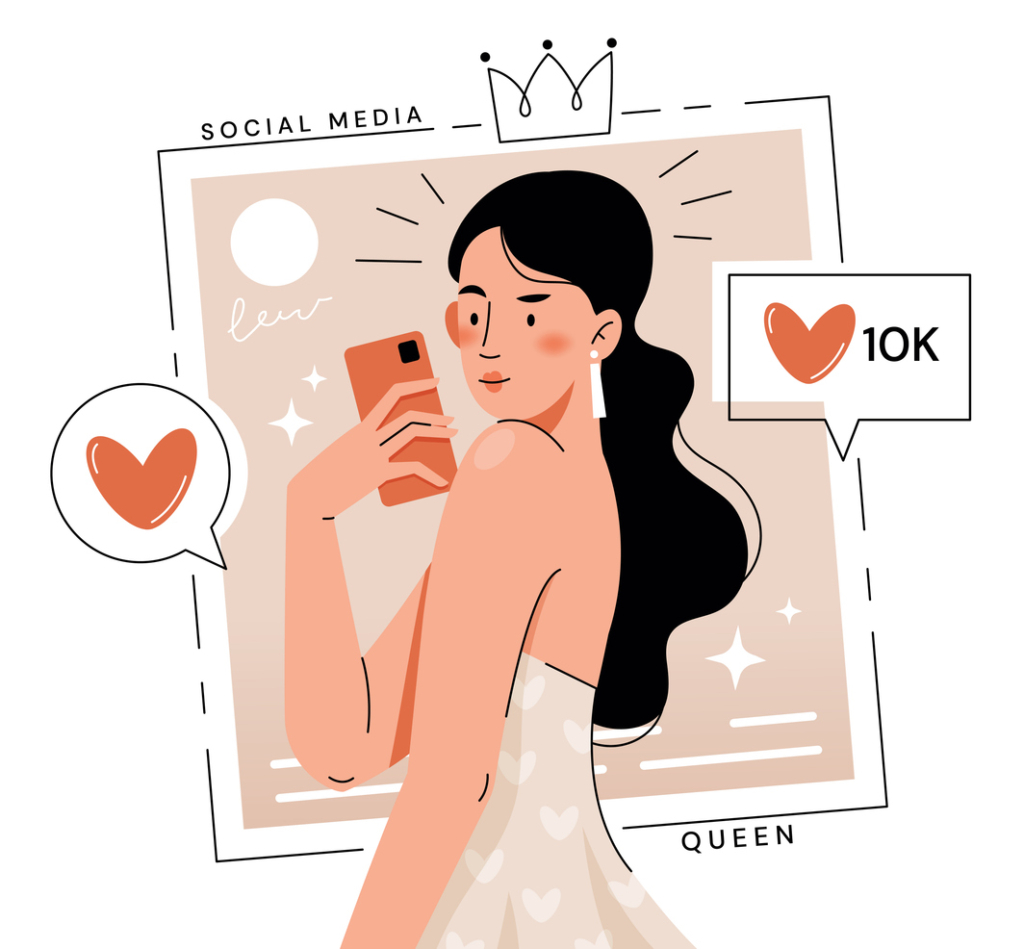
Today on Instagram, it’s not just flesh-and-blood influencers shaping beauty ideals: take Lil Miquela, a fully AI and 3D graphics-created "model." She has millions of followers, collaborates with fashion brands, releases music, and fronts campaigns—yet she doesn’t actually exist. Her perfect skin, flawless body, and carefully crafted "life" have a very real impact on her audience. Or consider the Spanish virtual influencer, Aitana, who looks just like a real woman but never struggles with mental health, skin issues, weight fluctuations, or hormones.
When women encounter these digitally created, unreachable ideals daily on social media, it’s easy to feel not pretty enough, not thin enough, not perfect enough. AI-generated influencers take unrealistic beauty standards to a new level—because we compare ourselves to a standard without human limits.
The Damage to Self-Esteem
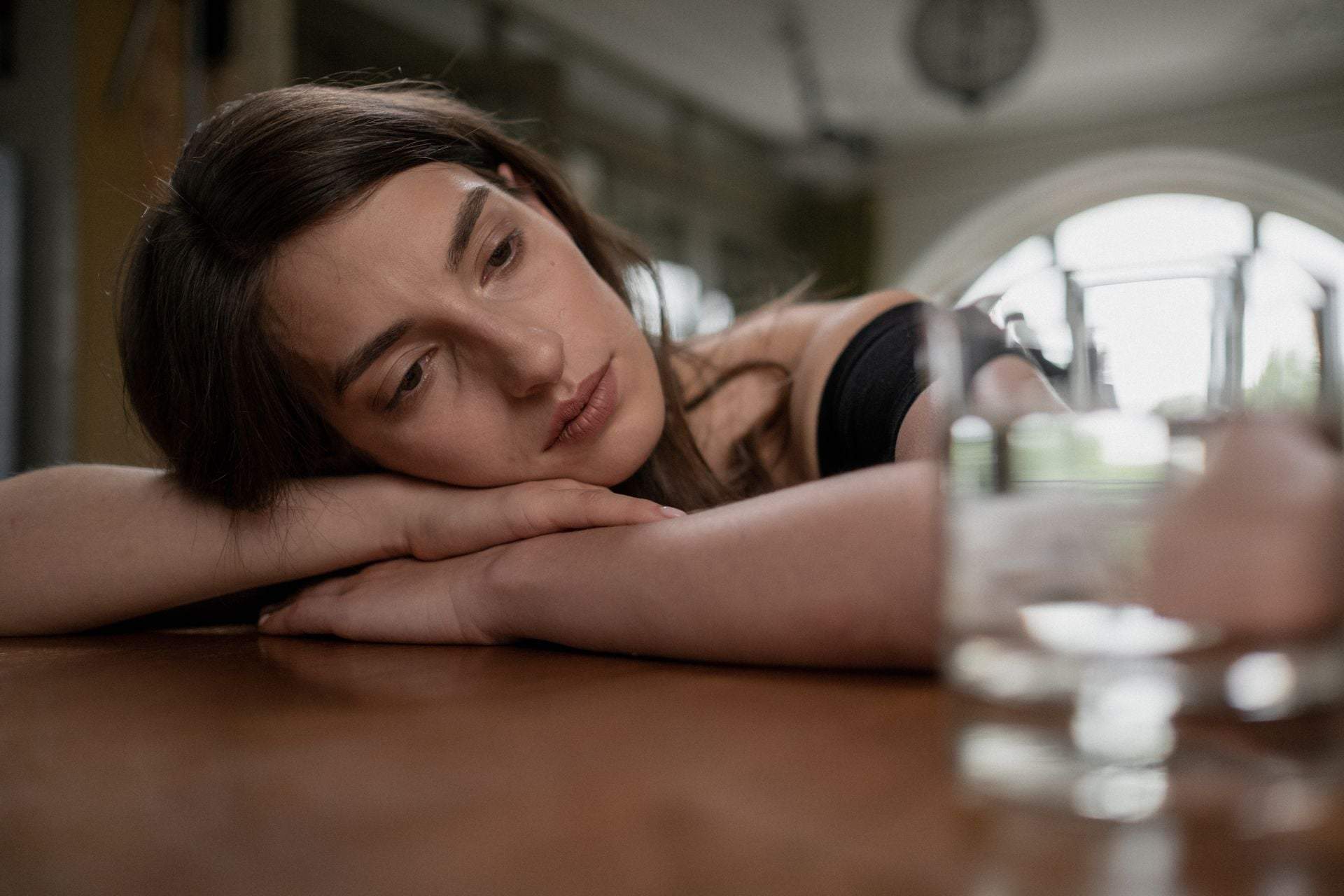
These unattainable ideals on social media put enormous pressure on women. Those who face these 'perfect' images daily may often feel less valuable or attractive. Naturally, this can lead to serious self-esteem issues.
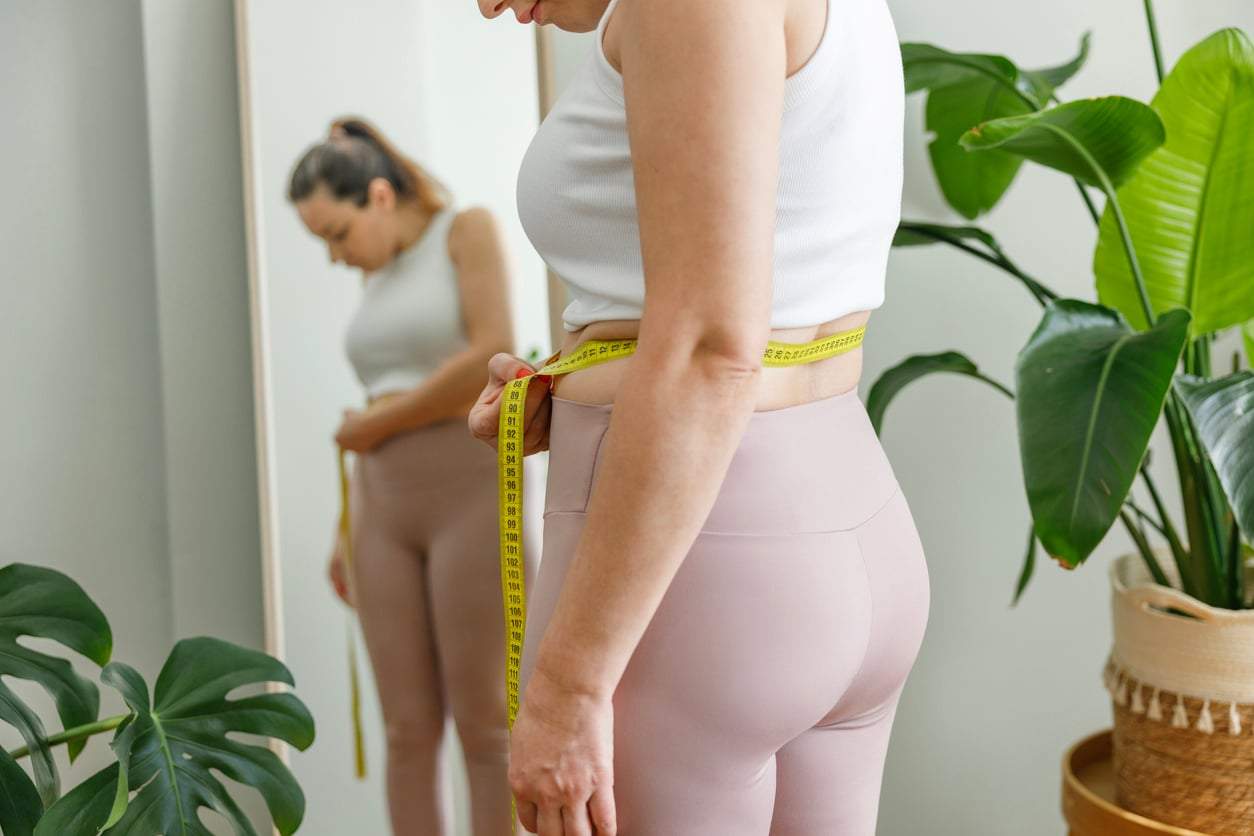
Psychologists warn that constant comparisons to others—especially to distorted, idealized images—can worsen depression, anxiety, and even trigger eating disorders. With a constantly moving target, women may feel they’ll never be good or beautiful enough, undervaluing their true worth.
The Boom of Plastic Surgery
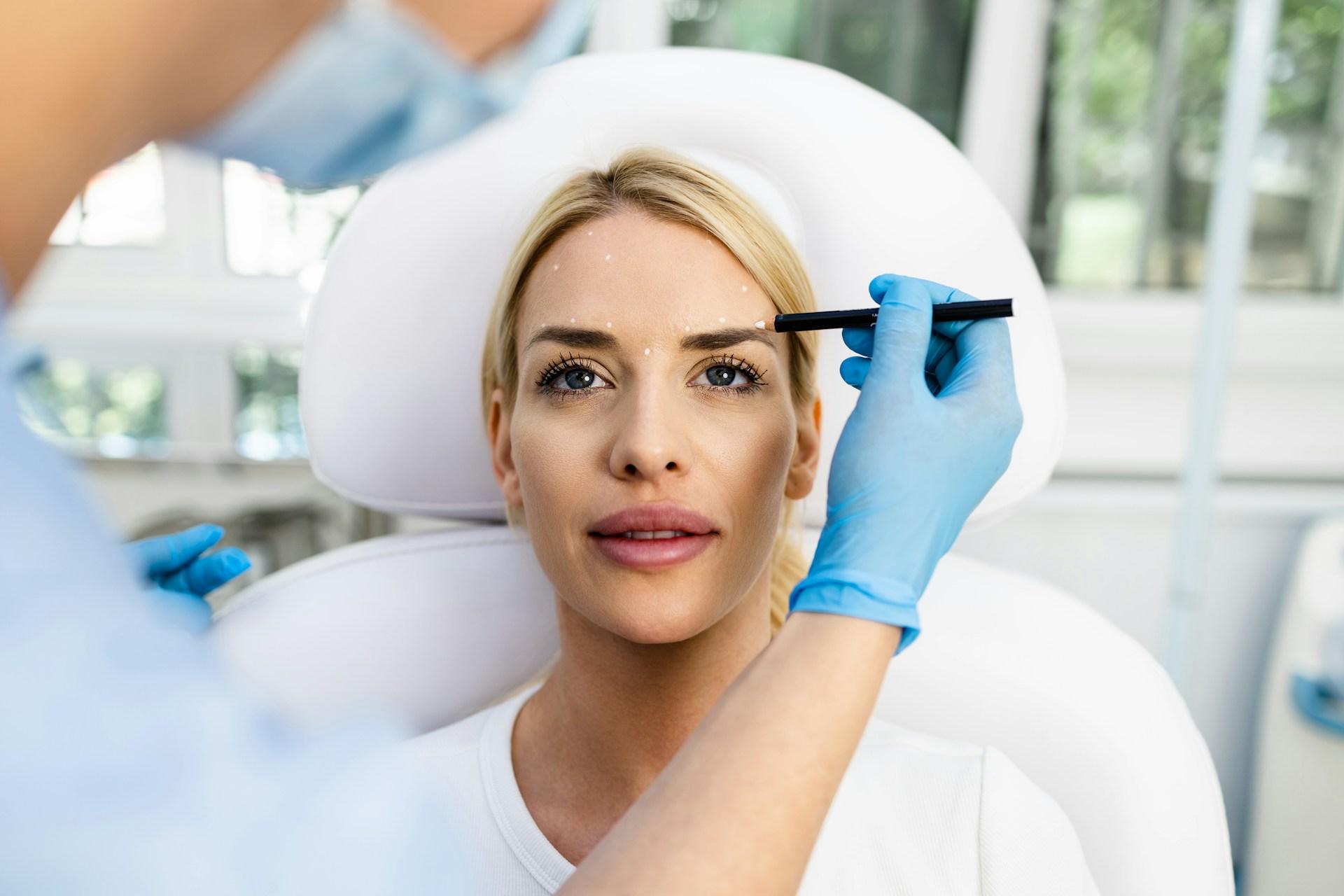
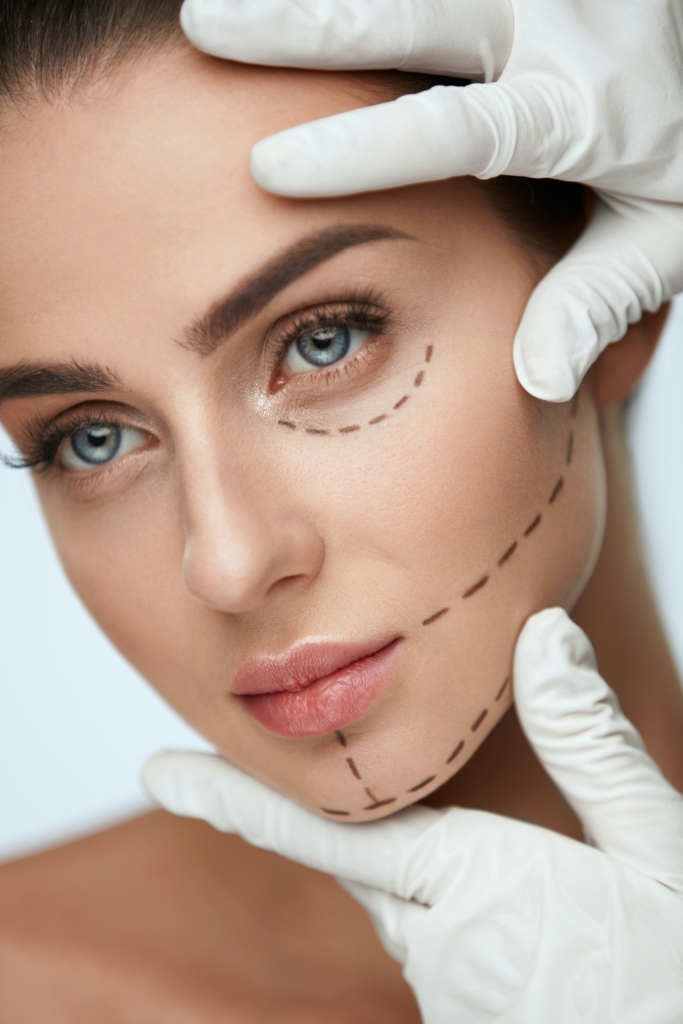
As these digitally created faces and bodies gain more space on social media, their impact is also felt in the world of plastic surgery. Experts report more patients arriving with specific Instagram photos saved on their phones—often not of real models, but filtered, fictional women—requesting "this nose," "this jawline," or "these lips." The number of procedures is rising worldwide, especially facial aesthetics, lip fillers, and contouring surgeries. The problem is these digital ideals aren’t just retouched—they often rely on physically impossible proportions, yet are recreated on real bodies.
How to Fight Unattainable Ideals
Awareness is the first step toward change:
It’s important to recognize that what we see on social media doesn’t always reflect reality!
That’s why it’s worth consuming content that truly shows real beauty and celebrates human diversity.
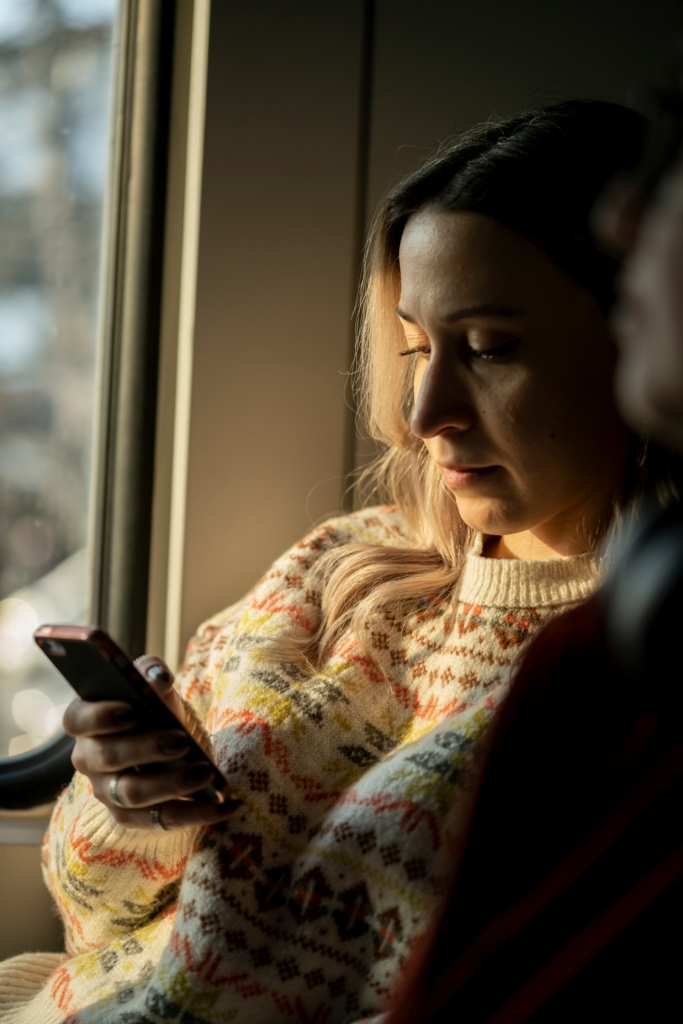
Another step could be limiting time spent on social media or following profiles that promote a positive self-image. Creating a supportive environment and seeking genuine values can also help us make peace with ourselves.
The Woman of the Future
In 2026, in this age of technological explosion, it becomes even more important to reassess what we truly value in women. Building strong self-esteem is key because inner harmony is what lasts long-term. While the world keeps changing, inner peace and self-acceptance remain timeless treasures.
With ongoing growth and nurturing self-love, we can rise above artificially generated beauty ideals and live in true harmony. Remember, real beauty is measured not by looks, but by our confidence, courage, and unique style.