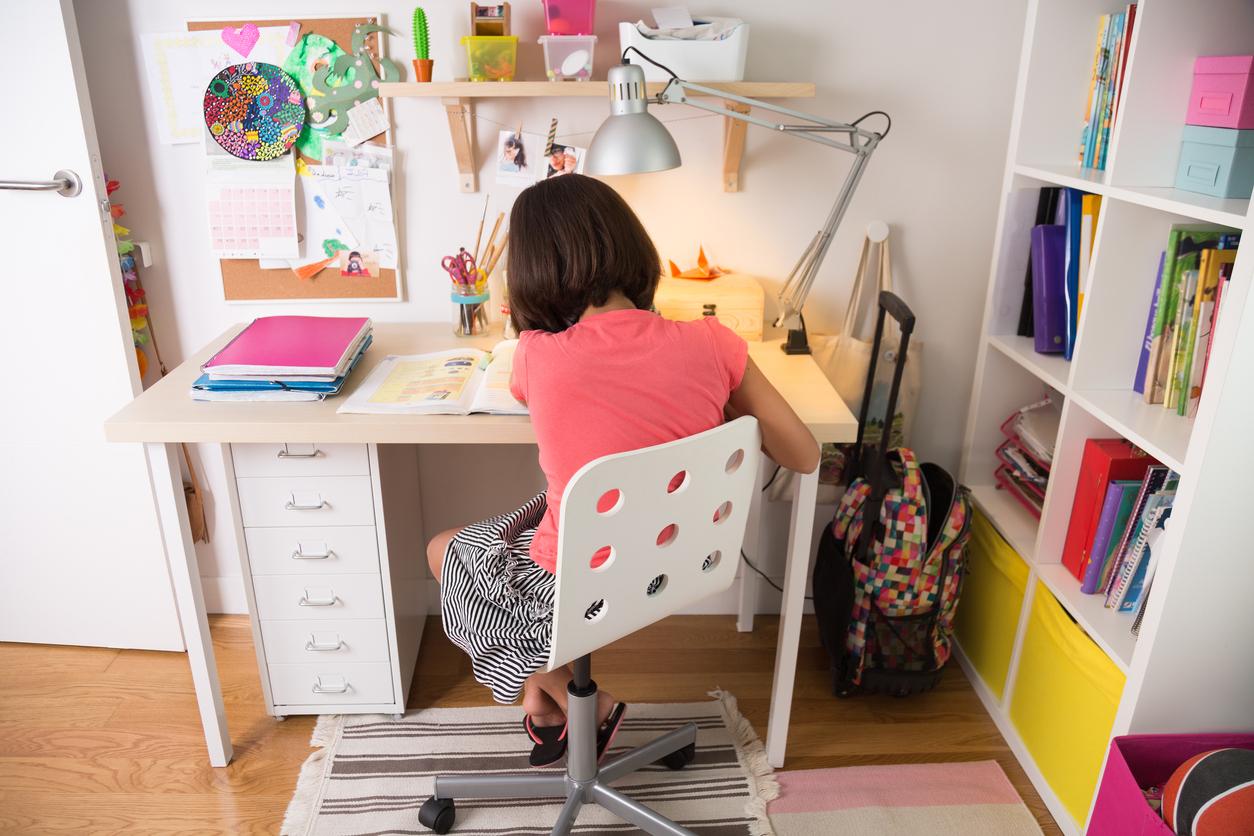
Imagine that morning moment when you realize school starts in just two weeks. The relaxed summer days are ending, and the family’s usual routine is about to return. While kids often feel excited about the new school year, easing them into this transition step-by-step helps keep stress at bay.
The benefits of earlier bedtimes
One of the key changes to make is gradually shifting bedtime earlier. During summer break, kids probably stayed up later and woke up later — but that rhythm won’t work once school days begin.
Try putting them to bed 10–15 minutes earlier each night. This helps their internal clock adjust smoothly. Good quality sleep is essential for focus and learning, so starting this shift early really pays off.
Organizing school supplies
Getting and organizing school supplies is another important step. Involve your kids in picking out their supplies—it boosts their enthusiasm and builds a sense of responsibility.
Use colorful boxes or containers to keep supplies handy, making mornings run smoother. When kids help organize, they also learn valuable skills for managing their belongings in other areas of life.
Creating a cozy evening reading habit
Evening reading is not only a lovely way to bond but also helps develop reading skills. Whether it’s storybooks or youth novels, reading sparks imagination and can calm kids before bedtime.
Make time for shared reading or suggest age-appropriate books. This special time and the joy of reading can gradually rekindle their motivation and focus for the upcoming school year.
Adding simple school routines
Introducing a few easy school exercises can help ease the transition. Start with light math problems or favorite subject tasks that you turn into games. This keeps knowledge fresh and reduces back-to-school jitters.
Make sure these activities stay fun and stress-free, gently reconnecting kids with the joy of learning.
The role of emotional preparation
It’s important to prepare your child emotionally for the new school year’s challenges. Talk openly about feelings—whether excitement or anxiety. If your child feels scared or worried, reassure them that these feelings are normal and that they can always share them with you.
Spend quality time together and plan activities to relieve daytime stress. This helps start the school year with balance. Positive encouragement and shared goals also support emotional stability.
Why time management matters
Learning good time management is a vital skill—not just for childhood but for life. Help your child understand how to balance school and free time without feeling overwhelmed.
Using a calendar or simple schedule can make tasks clearer and teach prioritizing. These easy time-management habits soon become second nature and help avoid unnecessary stress.