“Not every parent has a favorite child, but many do,” says Jessica Griffin, Associate Professor of Psychiatry and Pediatrics at the University of Massachusetts Medical School, in a BBC article. “Data suggests moms especially favor kids who share their values and prioritize family over traits like ambition or career focus.”
Whatever the reason, some studies show most parents almost certainly have a favorite—whether they admit it or not. One UK study found 74% of moms and 70% of dads lean toward one child more than the others.
Still, for many, this remains a taboo topic. Another study revealed only 10% of parents openly admitted having a favorite child. This suggests favoritism is often a closely guarded family secret.
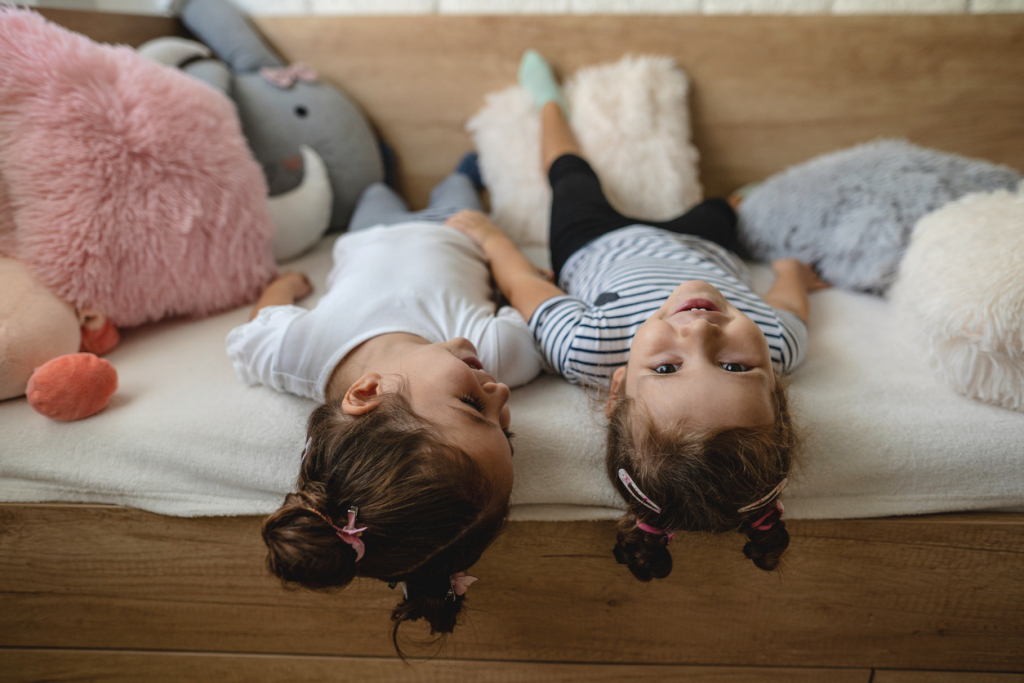
Who Gets the Favor?
When parents admit to having a favorite, research shows birth order plays a big role. Those who confessed to having a favorite mostly favored the youngest child. Among parents with two kids, 62% chose the youngest as their favorite. For families with three or more children, 43% favored the youngest, a third preferred the middle child, and only 19% named the oldest as their favorite.
“Parents tend to favor the child who most resembles them, reminds them of themselves, or represents what they see as success in parenting.”
“Plus, younger kids are often raised with more confidence and self-assurance by the same parents.”
Is It "Bad" Parenting?
While many parents have favorites, guilt often follows, knowing favoritism can impact a child’s self-esteem long-term. This worry isn’t unfounded.
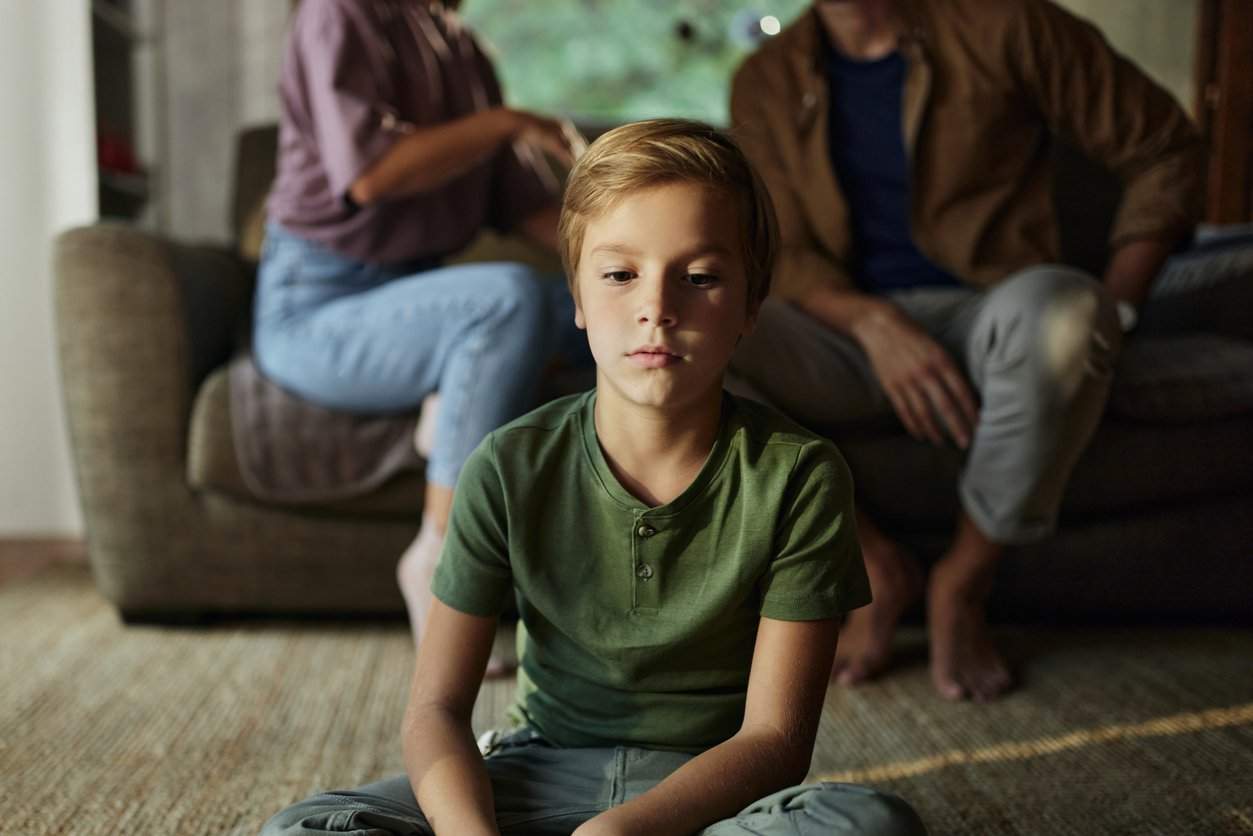
“Kids who grow up feeling unfairly treated may experience deep feelings of unworthiness,” Sinh explains. “They might feel unlovable or believe they lack the special qualities needed to be loved. Feeling like the family’s black sheep can cause fear and insecurity. These kids may become defensive and try too hard to be kind and likable to others.”
But for most parents, these fears are overblown. Evidence shows that unless favoritism is extreme, most kids aren’t deeply affected by being the “least favorite.”
“Sometimes parents clearly show love and attachment,” Sinh says. “But when parents are mindful and intentional, making sure no child feels noticeably favored, kids don’t feel unworthy of their parents’ love and support.”
In fact, experts say most kids don’t even realize their parents favor a sibling.