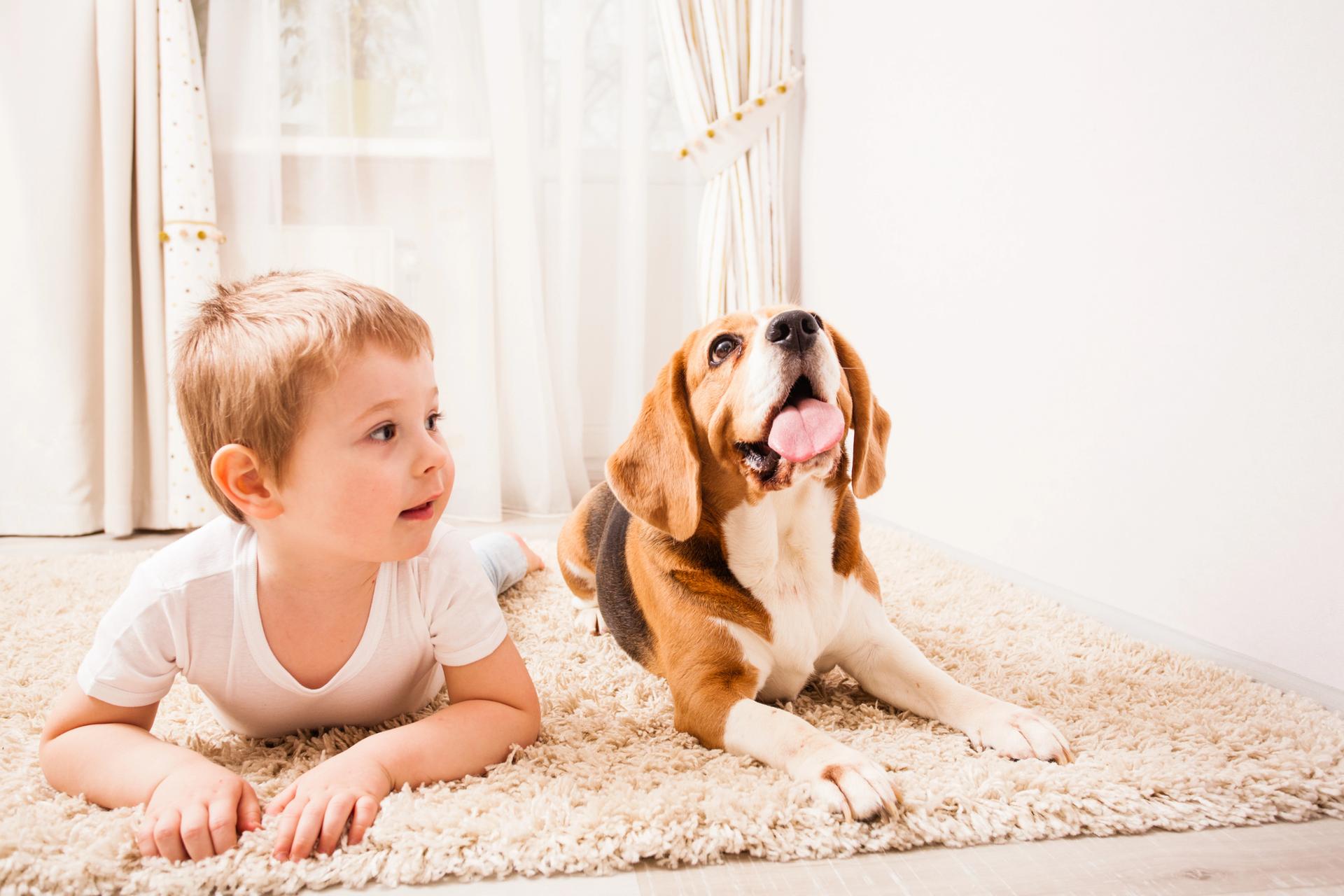
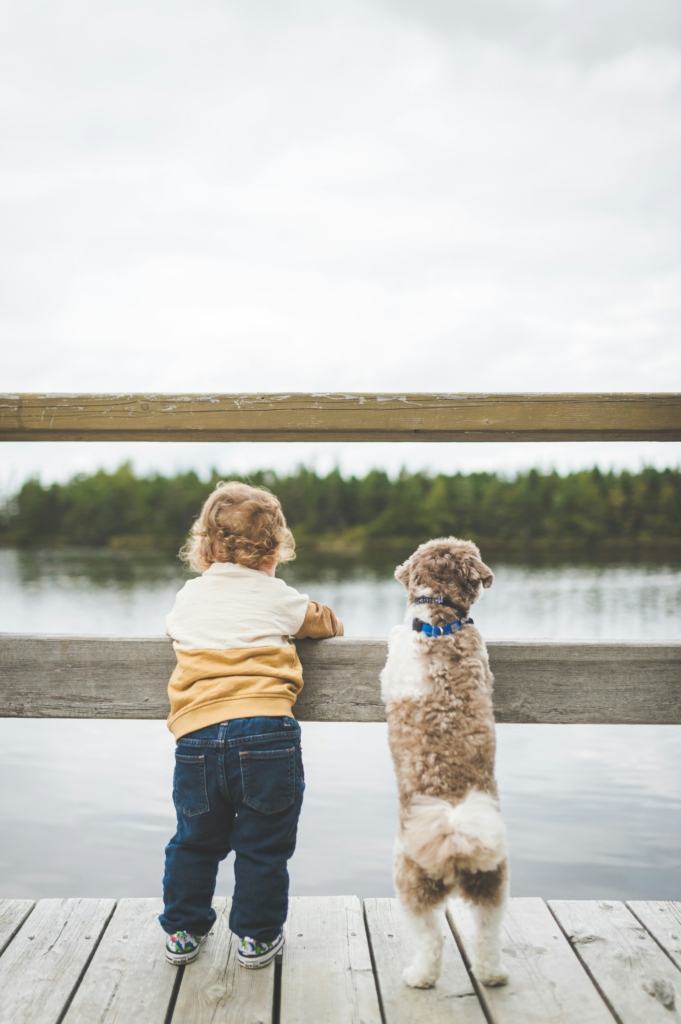
When Annie Wade saw their family dog suddenly refusing to leave her son’s side, she first worried something was wrong with their pet. The dog followed the little boy everywhere, gently nudging him with its nose as if constantly checking he was okay, never leaving him alone.
“I thought he might be sick or have some problem,” Annie told Newsweek.
She checked if he was limping, eating well, and looked for any visible health issues. Everything was fine—except for the unusual, constant attention he showed her son.
A Secret Between Them: Understanding Without Words
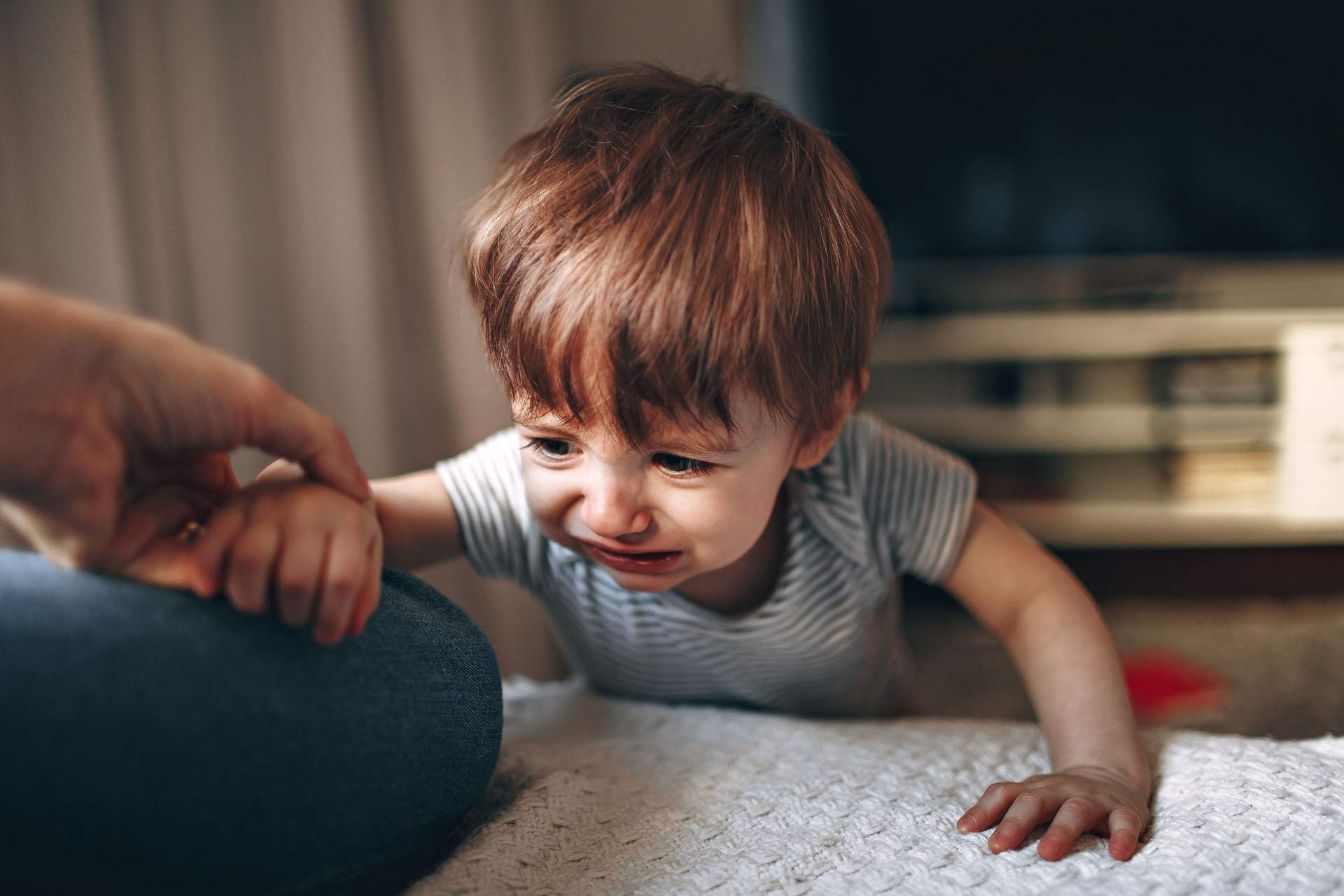
Finally, Annie asked her son if he noticed the dog acting strangely. His answer was both heartwarming and surprising. The boy shared he’d been stressed about a school presentation, had little sleep, and feared embarrassment in front of his classmates. That’s when Annie realized the dog had sensed her son’s anxiety long before they talked about it.
“My son says having the dog close helps him calm down,” Annie shared. “Animals often pick up on things we don’t talk about. Sometimes they ‘check in’ on us better than I do myself.”
Not an Isolated Case: Stories from Other Pet Parents
Annie’s story struck a chord on social media, gathering over 21,000 reactions. Other pet owners shared their own experiences:
One user described how their dog, Snoopy, acted oddly the morning before surgery for cancer. He grabbed his sock, hid under the bed, and refused to leave his owner’s side all day.
“He never did that before, but that day he sensed my anxiety and tried to stay close,” the commenter wrote.
Another family shared that their dog became unusually clingy when both owners were sick. The 34-kg (75-lb) dog followed them everywhere and even squeezed into a cat bed next to one owner’s chair to stay close. They realized the dog was worried about them.
These stories show dogs not only sense our emotions but actively respond to stress, anxiety, or illness.
What Does Science Say?
Animal behavior expert Kate LaSala explains that dogs are incredibly sensitive to human emotions.
“Dogs read our body language much better than we read theirs,” she said.
Their keen sense of smell lets them detect tiny chemical changes in our bodies, which is why they can be trained as psychiatric support dogs, diabetes alert dogs, and even to predict epileptic seizures.
When a person is stressed, anxious, or off their usual routine, dogs notice and often become more clingy or protective. LaSala notes that stress-related sleep loss can also affect a dog’s behavior since their shared routine changes.
The Healing Power of a Dog’s Presence
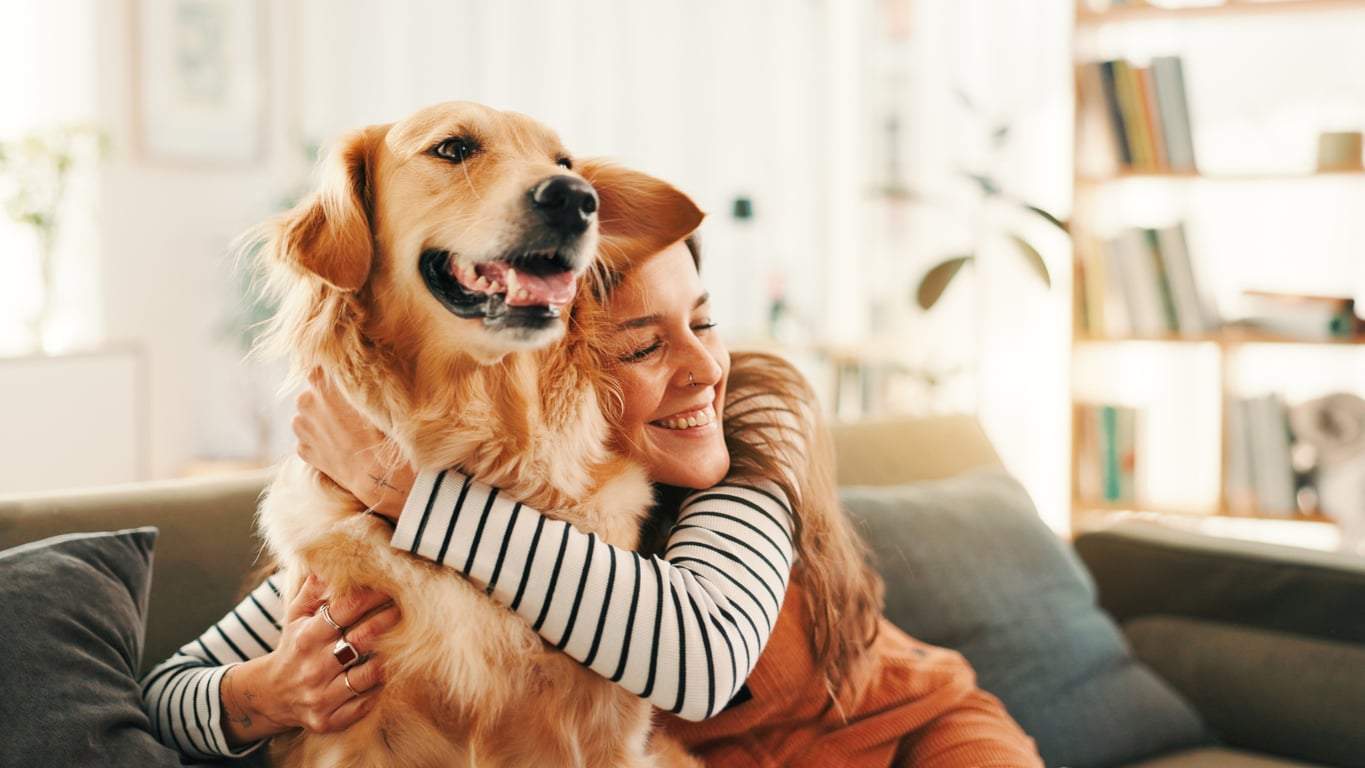
It’s not just intuition—science backs why we find comfort in a dog’s presence. Studies show that petting a dog lowers cortisol levels, reduces blood pressure, and boosts oxytocin and dopamine—the “feel-good” hormones—in both humans and dogs.
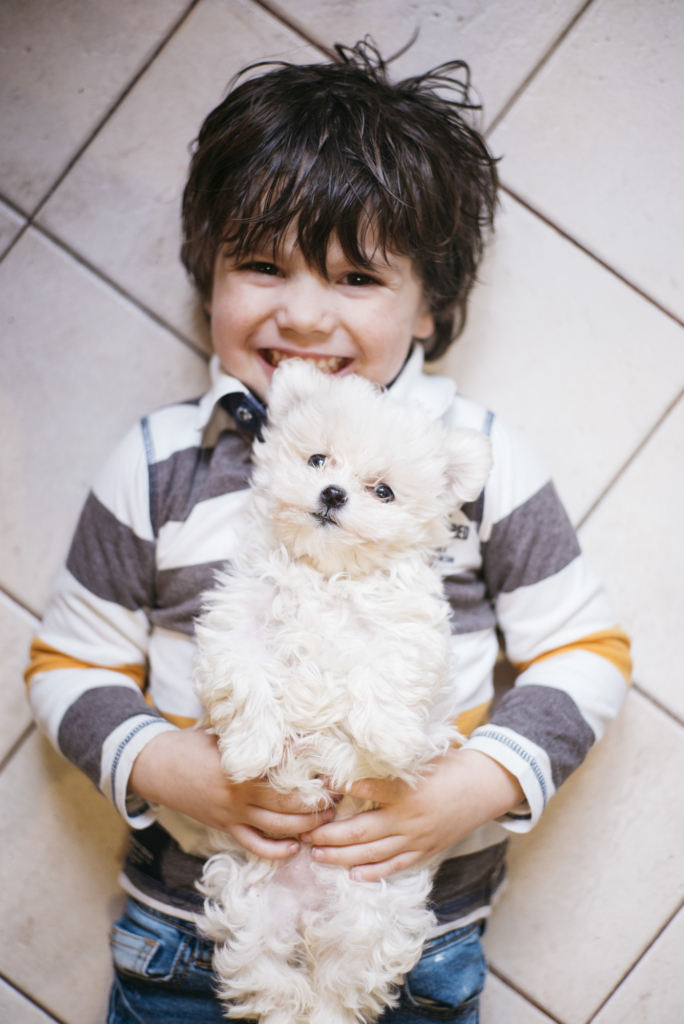
This bond is especially important for kids: a dog’s presence can soothe, provide safety, and offer emotional support. Sometimes a quiet moment between a child and their dog says more than words ever could, reminding us that a pet’s sensitive attention is a true gift for the whole family.
So Much More Than a Guard Dog
This story isn’t just a touching anecdote—it’s a powerful reminder to pay attention to the bond between kids and pets. A dog isn’t just a guard; they’re a true companion who can sense when a loved one needs support. In moments like these, not only can the child find calm, but the whole family can feel a warm, safe atmosphere filled with love.