There comes a point when alcohol stops being about relaxing, celebrating, or the "I deserve this" feeling. Instead, it dulls your senses. Mutes your emotions. It hides what you’re really feeling inside. Many people don’t quit drinking because they have a problem, but simply because they’re curious about what it’s like to be fully present in their own lives. What happens when you remove alcohol from the equation for a month or even longer?
The first change many notice isn’t flashy but is powerful: your mind clears up. Over time, alcohol slows brain function, harms memory and focus, while your body works overtime to counteract its effects.
When you lift this burden, your mind breathes again:
Your thoughts sharpen, decisions feel less chaotic, and that strange, foggy fatigue many accept as normal fades away. You won’t become a "new person" overnight, but you’ll start thinking clearly again—and that alone makes a huge difference.
Sleep Quality Improves Dramatically
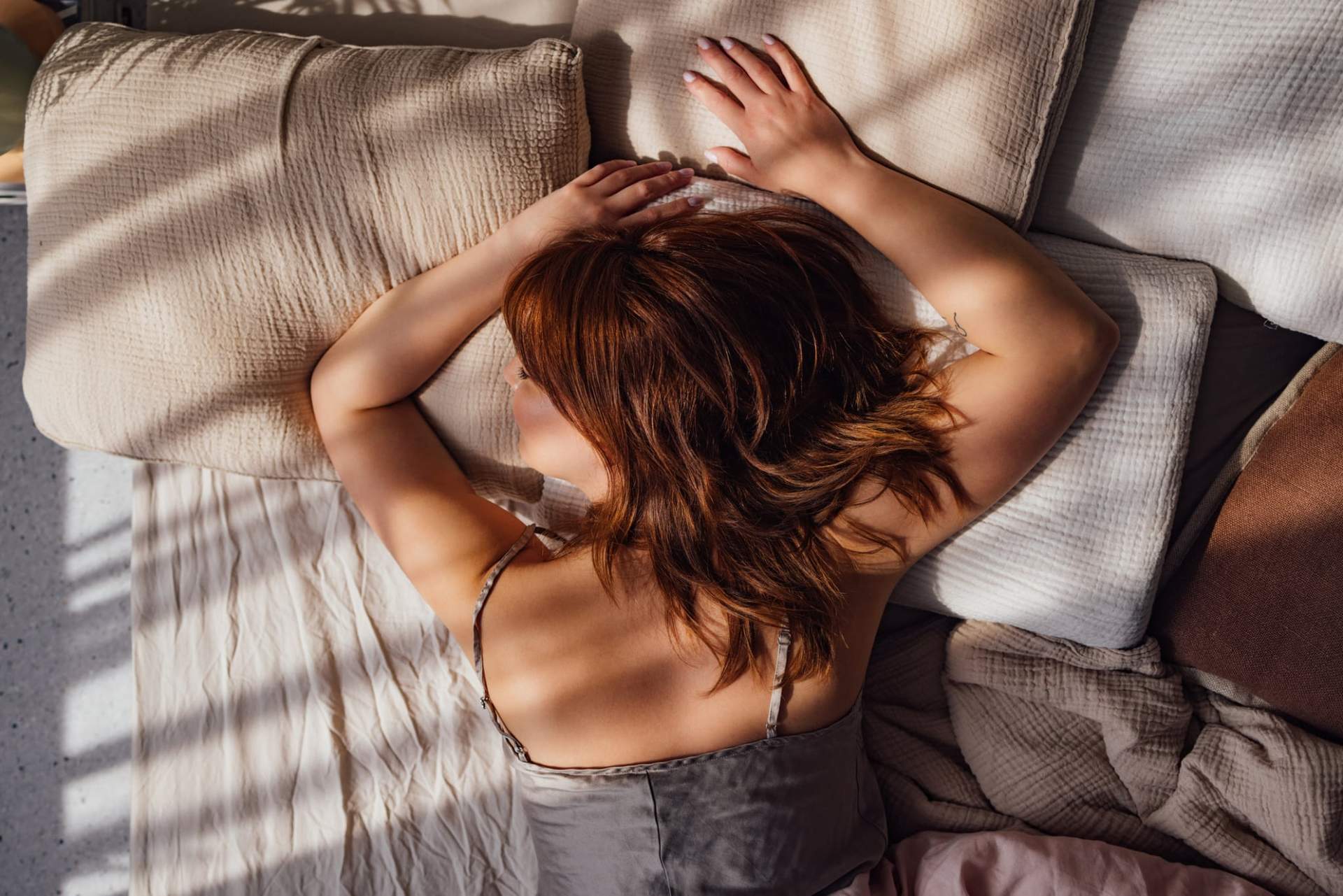
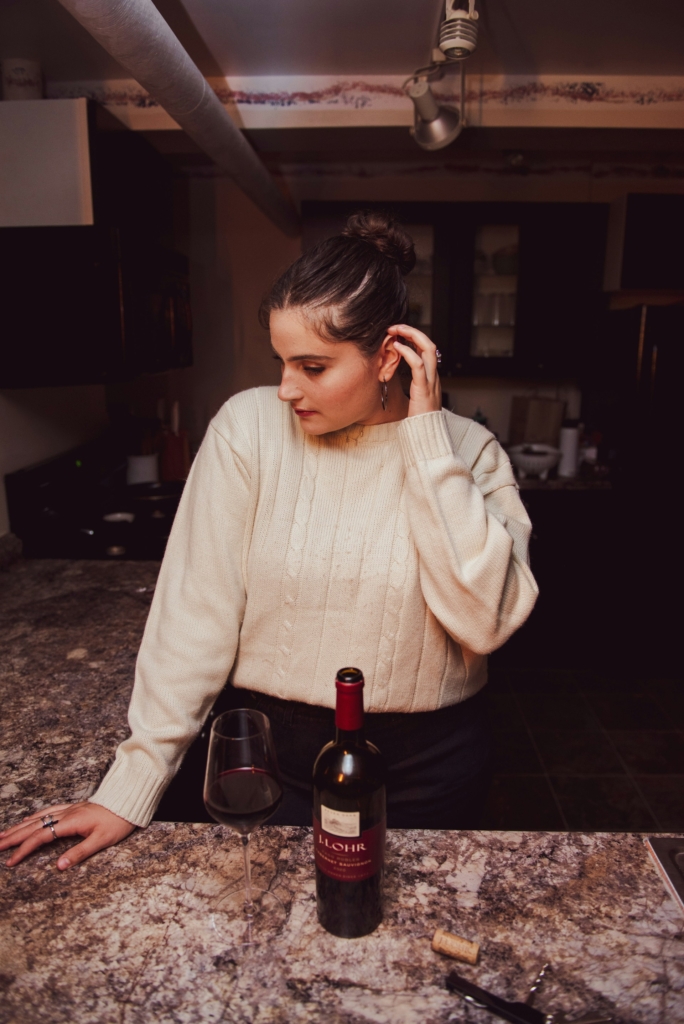
Then there’s sleep—often the most underrated area. Alcohol might help you fall asleep, but it disrupts your natural sleep cycle. Nighttime awakenings, restless tossing, and waking up exhausted are all too familiar. When you stop drinking, your body slowly finds its own rhythm again. You sleep more deeply, wake up refreshed, and your days stop feeling like a constant survival challenge. And better sleep quality directly lifts your mood, stress resilience, and how you feel in your own skin.
Mood swings can surprise many. While alcohol may bring momentary joy, over time it fuels anxiety, low moods, and emotional ups and downs. When you quit, your emotions balance out. Not because everything becomes perfect, but because you’re no longer riding the rollercoaster of artificial dopamine spikes and crashes. Anxiety eases, depressive feelings soften, and many find they simply feel more emotionally stable.
This kind of inner balance builds confidence.
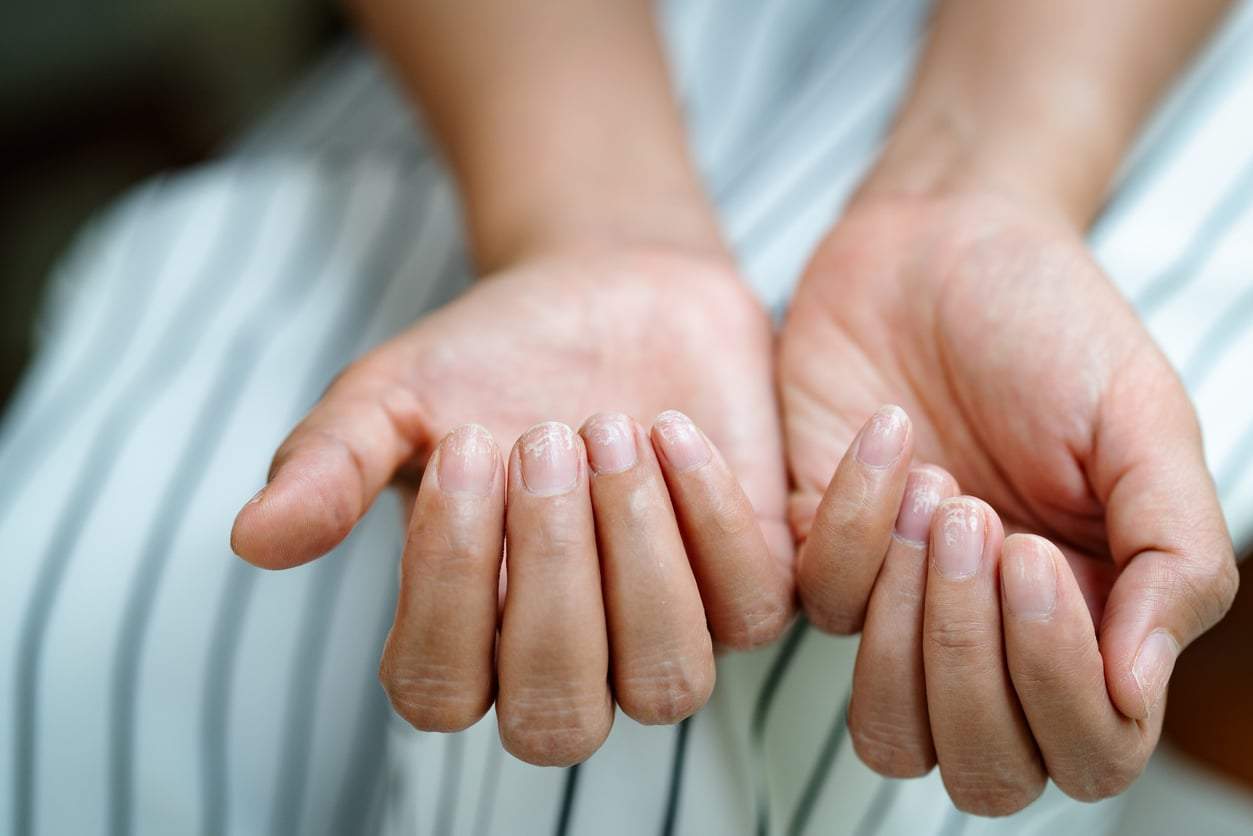
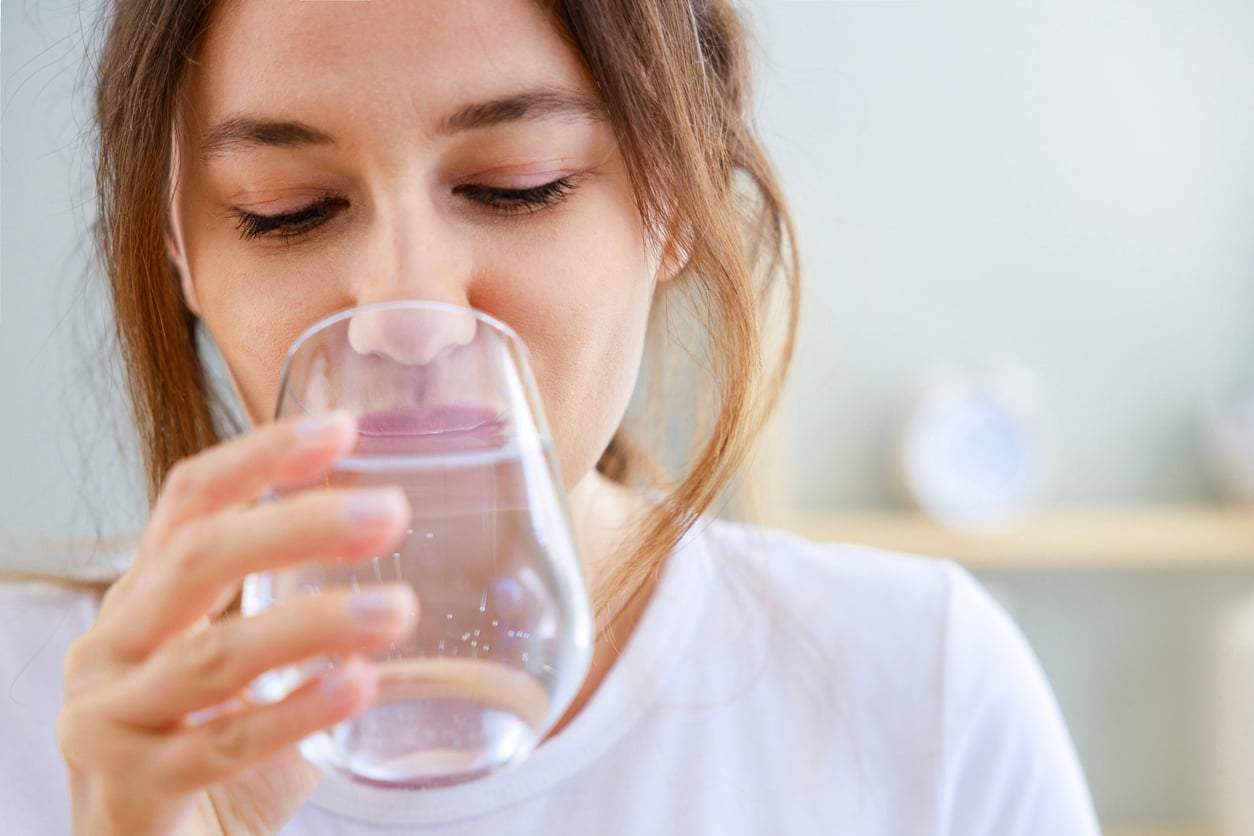
Meanwhile, your body quietly regenerates at an amazing pace. Your immune system strengthens, inflammation decreases, digestion improves, and your liver finally gets to do what it’s meant to: cleanse and protect. Your skin becomes more hydrated, your hair grows stronger, and your cardiovascular system breathes easier. This doesn’t happen overnight, but:
Every alcohol-free day gives your body another chance to restore balance.
There’s one more area we rarely talk about openly: desire. Alcohol disrupts your hormone system and impairs circulation, which directly affects libido. When you quit, your hormones gradually rebalance, your body becomes more sensitive, and many notice a return to natural openness to pleasure. This isn’t just physical—it’s easier emotionally to connect with yourself and others.
Giving up alcohol doesn’t have to be a permanent decision. It can be an experiment, a curiosity, an act of self-care. A pause to rediscover how you function at your clearest. And maybe the biggest change isn’t in your body but in realizing you have far more strength, presence, and sensitivity than you ever knew. Sometimes all it takes is putting down the glass to truly connect with yourself.