A recent survey reveals that many women endure years of pain without knowing that endometriosis might be the cause.
Periods are a natural part of womanhood—but does that mean the pain that comes with them is normal? Many grow up learning to just tolerate cramps, shrug off fatigue, and quietly endure tough days. But not all pain is "normal," and not every discomfort is something you simply have to live with.
German Elle recently highlighted a new survey showing that most women aren’t aware of what can cause severe period pain, and it often takes years to get a diagnosis—if they get one at all. The findings are eye-opening, and the takeaway is clear: we need to talk more openly about menstruation, endometriosis, and women’s health in general.
Pain is common, but it’s not normal
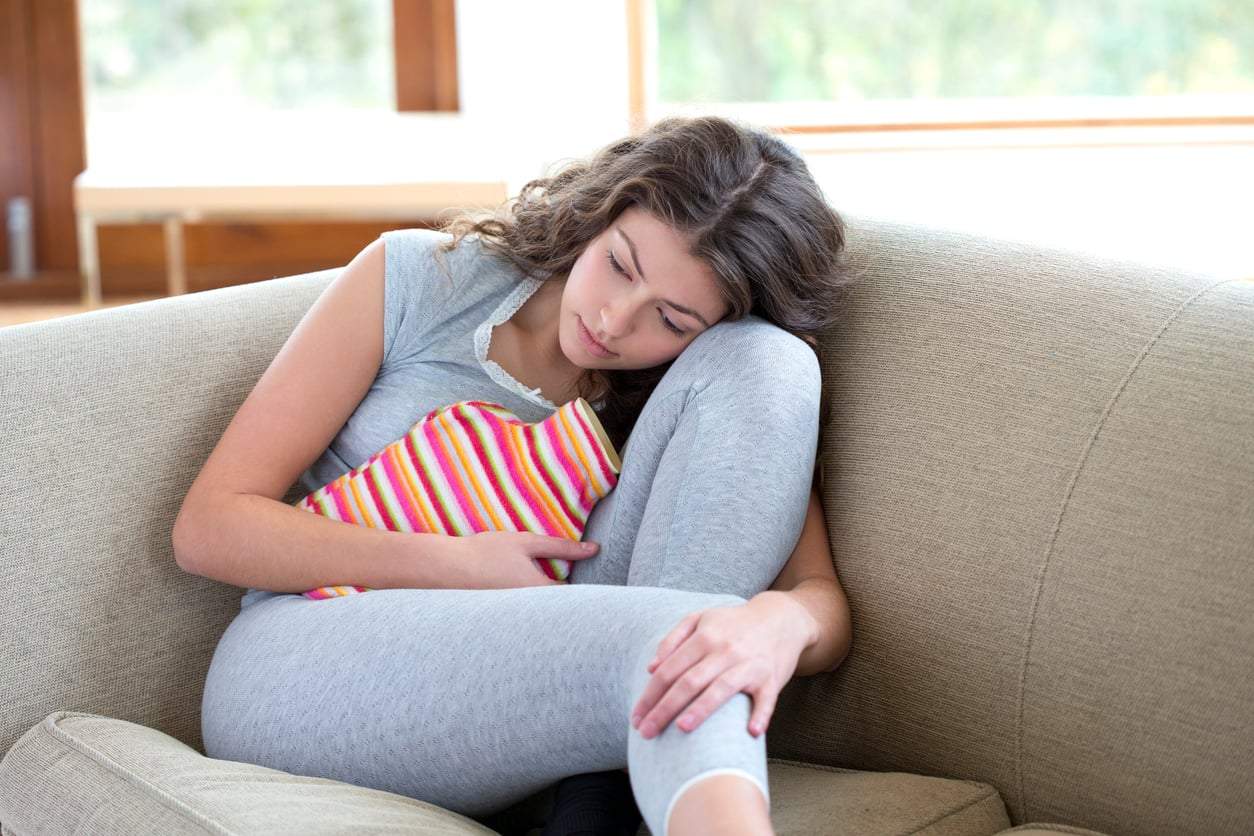
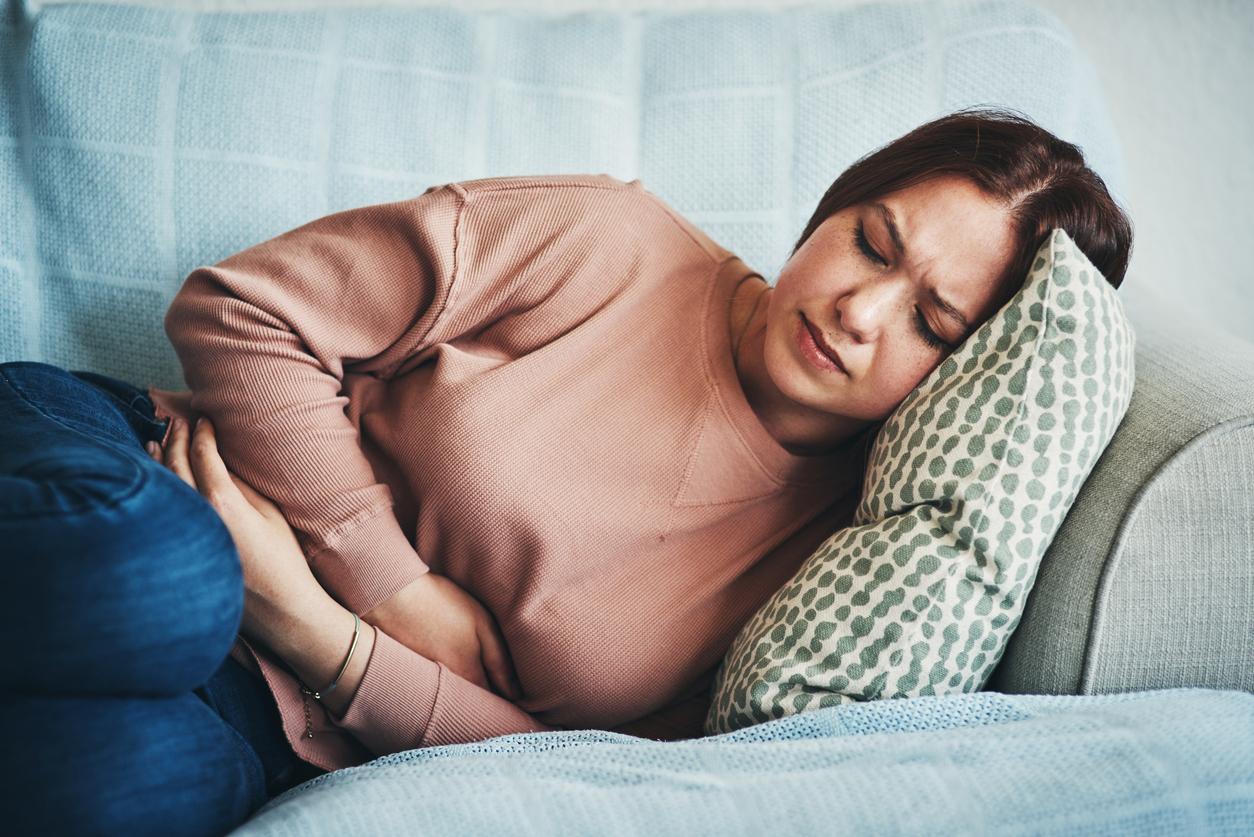
The survey found that two out of three menstruating women suffer significant pain during their cycle. Twenty-seven percent experience cramps so intense every month that they regularly rely on painkillers.
The situation is even more serious: 17% of respondents had to take sick leave at least once in the past year due to period pain, and 43% said the pain heavily impacts their daily lives, but they don’t know what to do about it.
Endometriosis: a condition that challenges millions of women
Endometriosis is one of the most common and often misunderstood gynecological conditions, with diagnosis frequently taking years. The research shows it takes an average of ten years for a woman to receive an official diagnosis.
During this time, many suffer from severe pain, chronic fatigue, digestive issues, and even infertility, without knowing what’s behind it all.
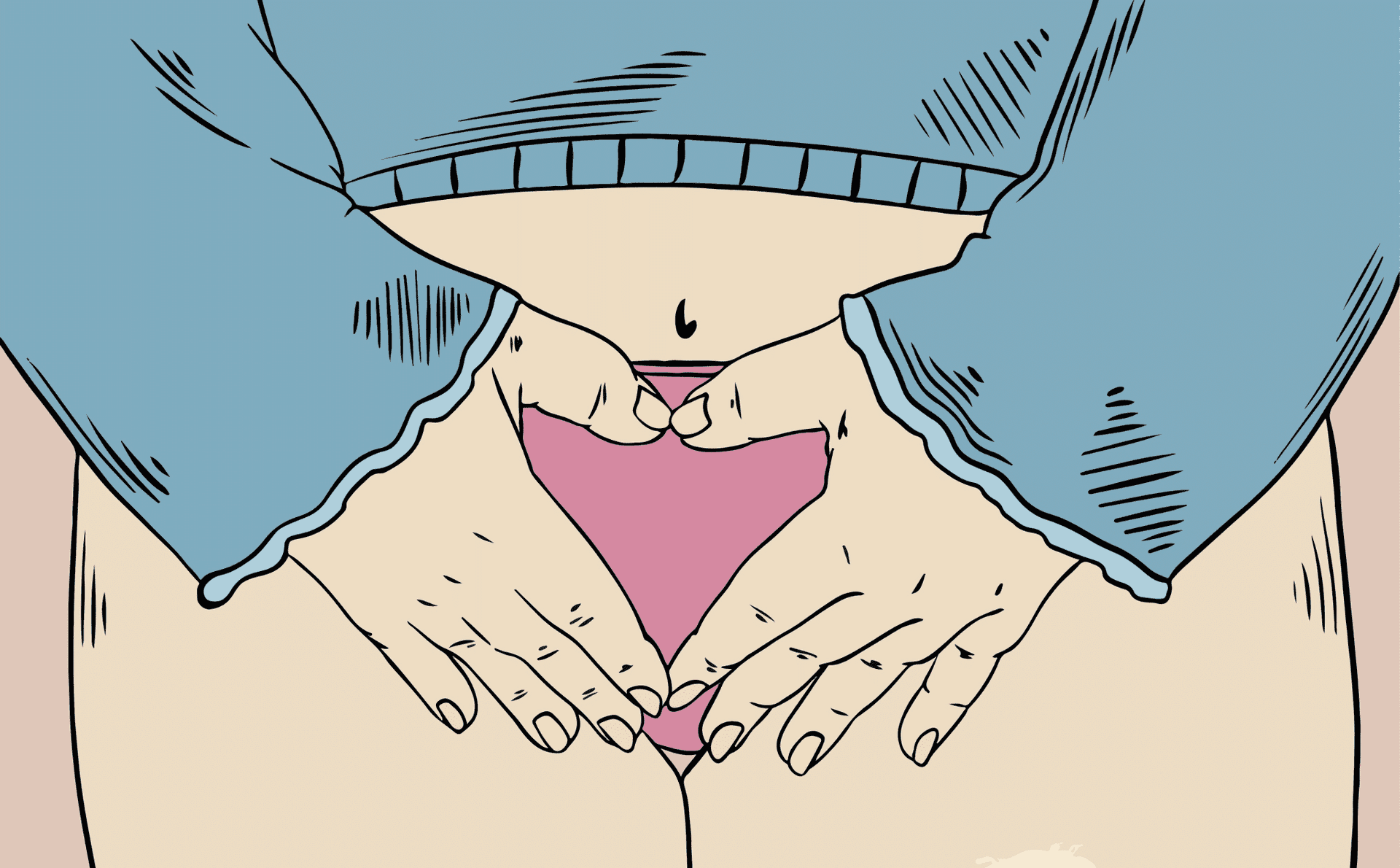
Endometriosis occurs when tissue similar to the uterine lining grows outside the uterus—on the ovaries, around the intestines, or on the abdominal lining. These tissues react to the menstrual cycle just like the uterine lining: they swell, bleed, and can cause inflammation, adhesions, and cysts.
Many struggle and feel uncertain
Perhaps the most concerning fact is that 46% of young women aged 14–29 don’t feel well informed about period pain and its possible causes. Even more, 71% don’t know what might be behind severe menstrual pain.
While symptoms like intense lower abdominal cramps, pain radiating to the lower back, and digestive troubles are classic signs of endometriosis, only one in five women (20%) could name it as a possible cause on their own.
This suggests many women don’t realize that what they’re experiencing isn’t "normal" but could be a treatable condition.
Menstruation is still a taboo topic
Despite living in the 21st century, many still feel uncomfortable talking about periods. In the survey, 41% of women said they feel awkward bringing up the topic, whether in private or at work.
This silence has serious consequences: one in three women believes they just have to endure the pain and that seeing a doctor isn’t worth it because "it’s just how it is."
Social expectations, shame, and lack of information combine to leave millions of women suffering month after month without the support they deserve.
It’s time to talk about it
Two-thirds (66%) of women surveyed believe it’s crucial to raise more public awareness about menstruation and endometriosis.
This is not just a health issue but a social one. If we talked more openly about period pain—in schools, clinics, and the media—many more women could get diagnosed and find relief sooner.
Listen to your body’s signals
Period pain should never be ignored, as it might indicate a chronic condition. It’s not okay to lose days of your life every month. It’s not okay to rely on painkillers just to get through the day or to take sick leave because the cramps are unbearable. And it’s definitely not okay to feel ashamed because of it.
Remember: every woman deserves to live pain-free every day! If you regularly experience severe pain, book an appointment with a gynecologist. It also helps to get information from trusted sources and experts, and talking about it with friends can be a huge relief—they might be going through something similar. The key is not to let pain control your life.