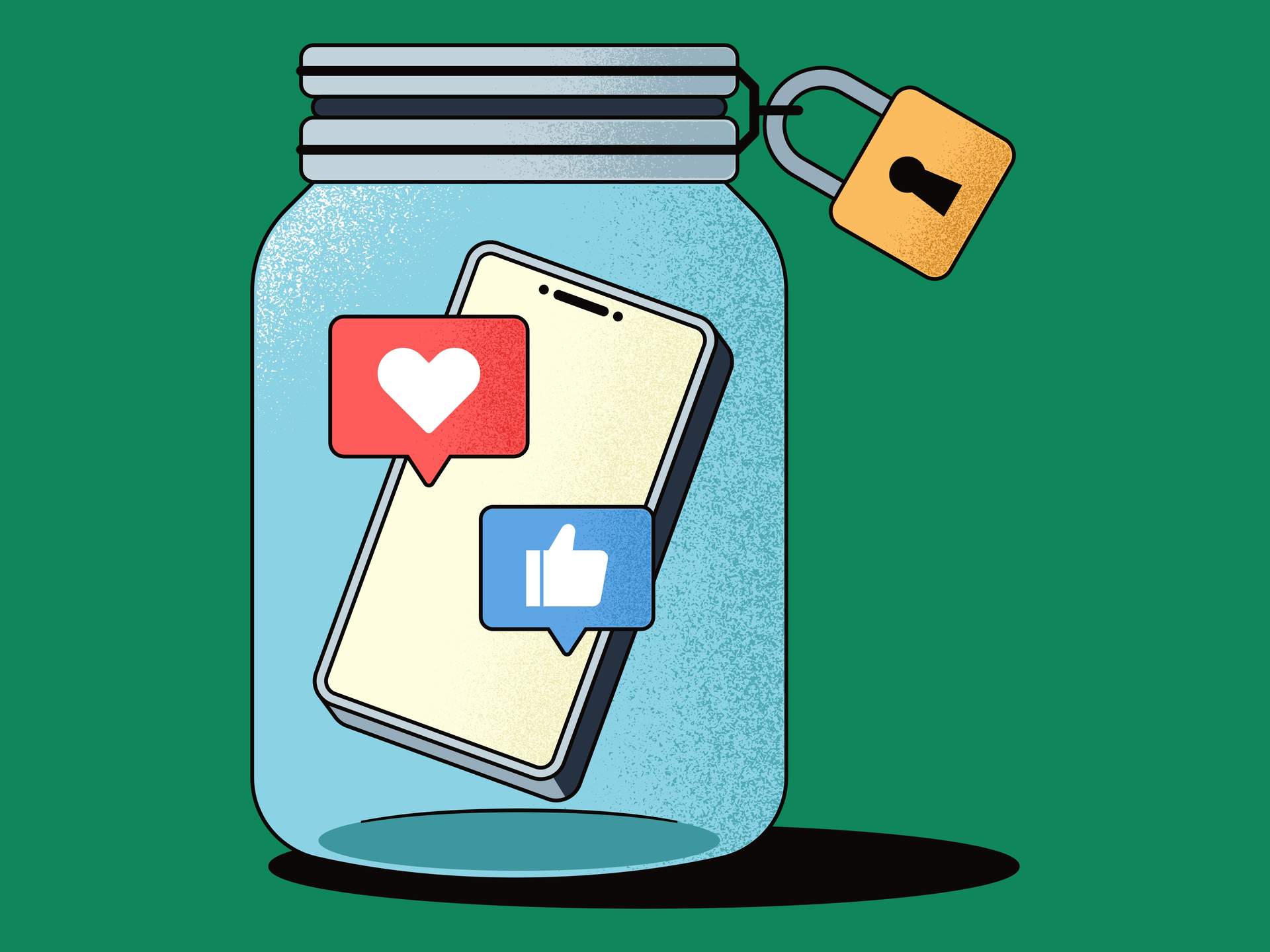
In today’s tech-driven world, we all feel more connected than ever. But the new trend of “social hibernation” is quietly pushing us toward loneliness. So, what exactly does this phenomenon mean?
Social hibernation means a kind of social withdrawal, where someone consciously chooses to spend less time with others and more time alone. While taking time for yourself can feel positive at first, it often masks anxiety, exhaustion, or even depression. This trend has become increasingly common and popular by the mid-2020s.
Why Is Social Hibernation Gaining Popularity?
Our society faces many challenges that raise stress and anxiety levels. Constant online presence, social media pressures, and the lingering effects of the pandemic all contribute to why more people are turning to social hibernation.
Many feel their relationships are shallow, a feeling amplified by social media’s idealized world. This often leads people to retreat from real-life connections and prefer online interactions, which can feel less emotionally demanding in the short term.
How Social Hibernation Affects Mental Health
While social hibernation can sometimes be a necessary escape from overwhelming stress, over time it can harm mental health. Prolonged isolation may worsen depression symptoms, increase anxiety, and lower self-esteem.
Real human connections are vital at any age, and losing them partially or entirely can have serious emotional consequences. Isolation often makes it harder to reconnect socially, creating a tough cycle to break.
How to Mindfully Manage the Effects of Social Hibernation
Awareness is key. Recognizing the signs of social hibernation in yourself is the first step. Then, building supportive networks—like nurturing close friendships—can help.
Finding a balance between social time and alone time is a lasting solution.
It’s important to understand that time alone isn’t the enemy—it’s the one-sided withdrawal that cuts off all other connections.
Instead of isolating, try to engage in activities that include others and help build meaningful bonds.
The Power of Positive Connection Building
Though social hibernation is already spreading, there are still ways to prevent it from taking over our daily lives. Active connection-building, shared community experiences, and physical activity all support mental well-being.
Remember, our relationships are among life’s greatest treasures. With care and attention, we can soften social hibernation’s negative effects. Notice if you’re withdrawing, and take steps to keep this trend from gaining ground in your life.
Hopefully, this awareness will help 2026 be a year when social hibernation doesn’t become a normalized part of daily life, but instead transforms into a lifestyle rooted in balance and mindfulness.