Something happens to a pleated skirt when the air turns. In July it looks fussy; in September it looks like the most sensible thing in the wardrobe. High-street rails are full of them again this season — box pleats, knife pleats, the tartan kilt shape with the buckle and the fringed edge — and they carry the same risk they always have. Worn without thought, a pleated skirt reads as a uniform. Worn with a bit of deliberate contrast, it becomes the piece you reach for every second morning.
Length does more work than pattern
The single decision that changes everything is where the hem lands. A skirt that stops at the widest part of the calf is the least forgiving spot on almost everyone, and it is also the exact spot that reads most like school. Go longer — mid-calf, ankle-skimming, hem brushing the top of a boot — or go properly short with opaque tights and knee-high boots so the leg line is unbroken. The in-between is where outfits go to look uncertain.
If you already own a skirt that lands in that awkward zone, a good alterations shop can take it up a few centimetres at the waistband rather than the hem, which preserves the pleat and the finished edge. It is a small spend that rescues a piece you had already written off.
Break the uniform with weight and texture
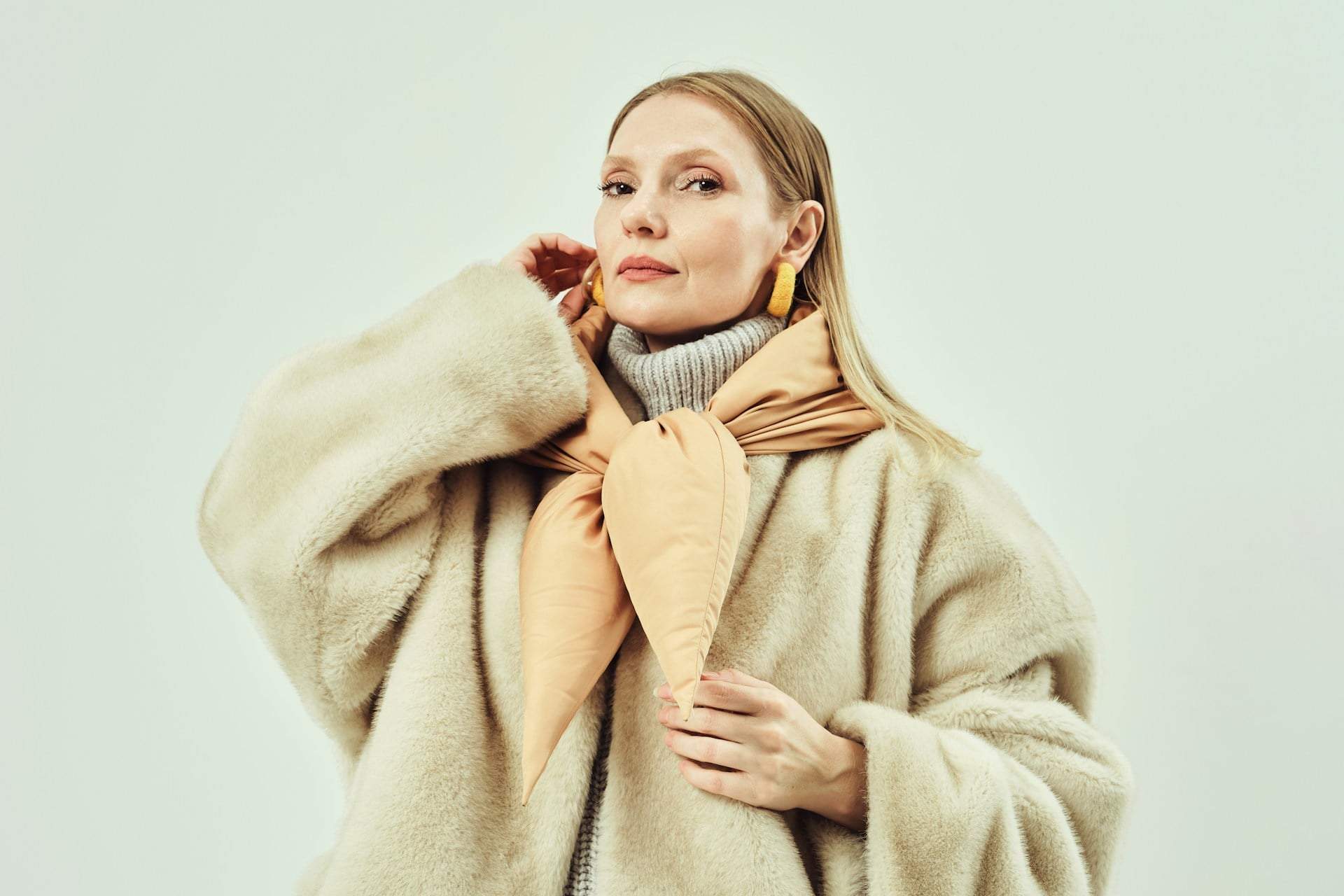
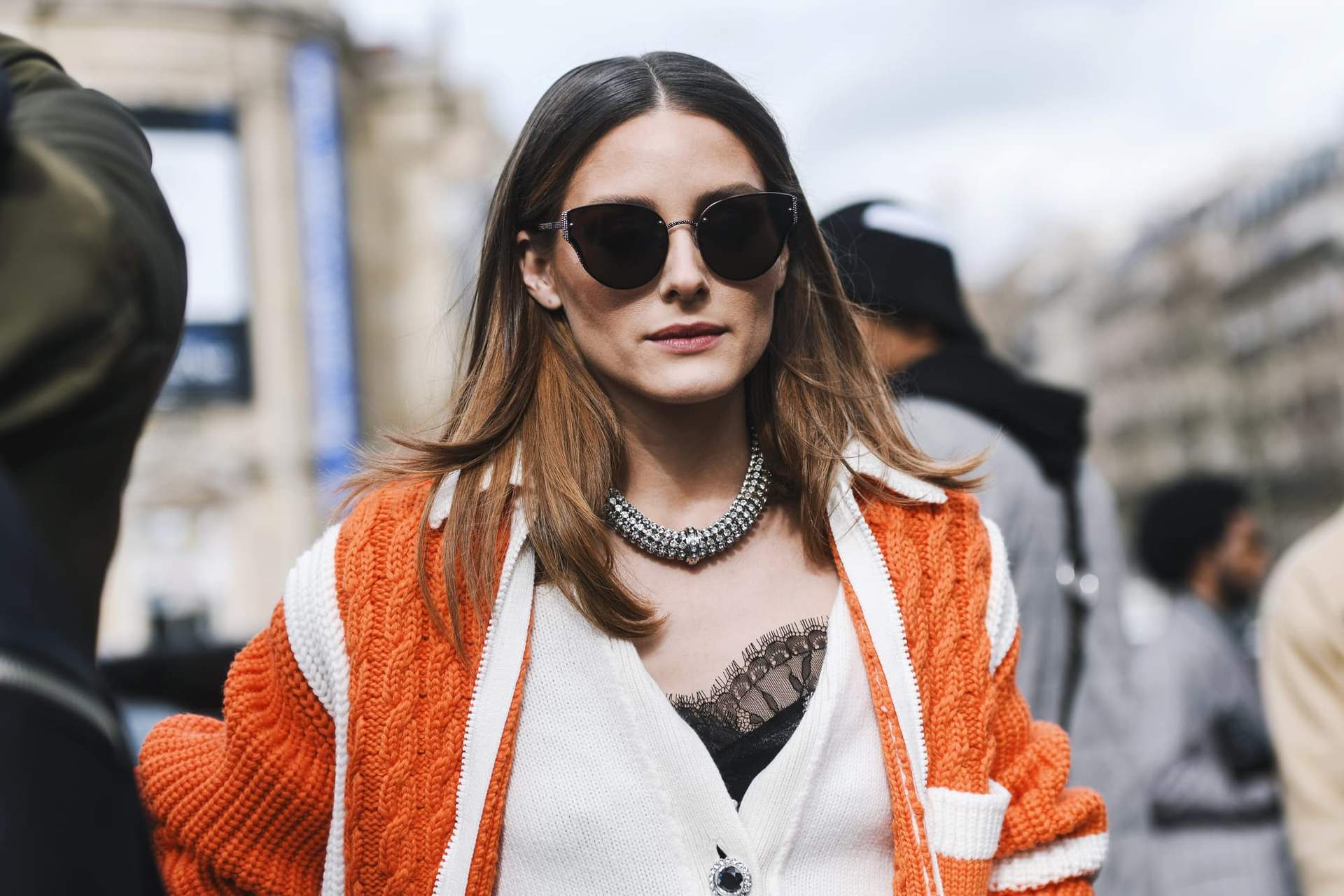
The reason kilt-style skirts tip into costume is that they arrive with a full set of associations: the neat blouse, the flat loafer, the tidy jumper. Break one of those and the whole reference disappears. My preferred way is weight. Pair a fine, swishy pleat with something substantial on top — a chunky ribbed knit, a leather jacket, a big shearling collar, an oversized shirt worn like a jacket. The contrast between fluid and heavy reads as considered rather than obedient.
Texture does the same job. A tartan skirt with a soft mohair jumper, or a burgundy pleat with a ribbed polo neck, feels adult in a way that a crisp poplin shirt never quite will. If you love a shirt with pleats — and it is a genuinely good combination — leave the collar loose, roll the sleeves, and let it be slightly too big.
Choose the shoe last, and choose it heavy
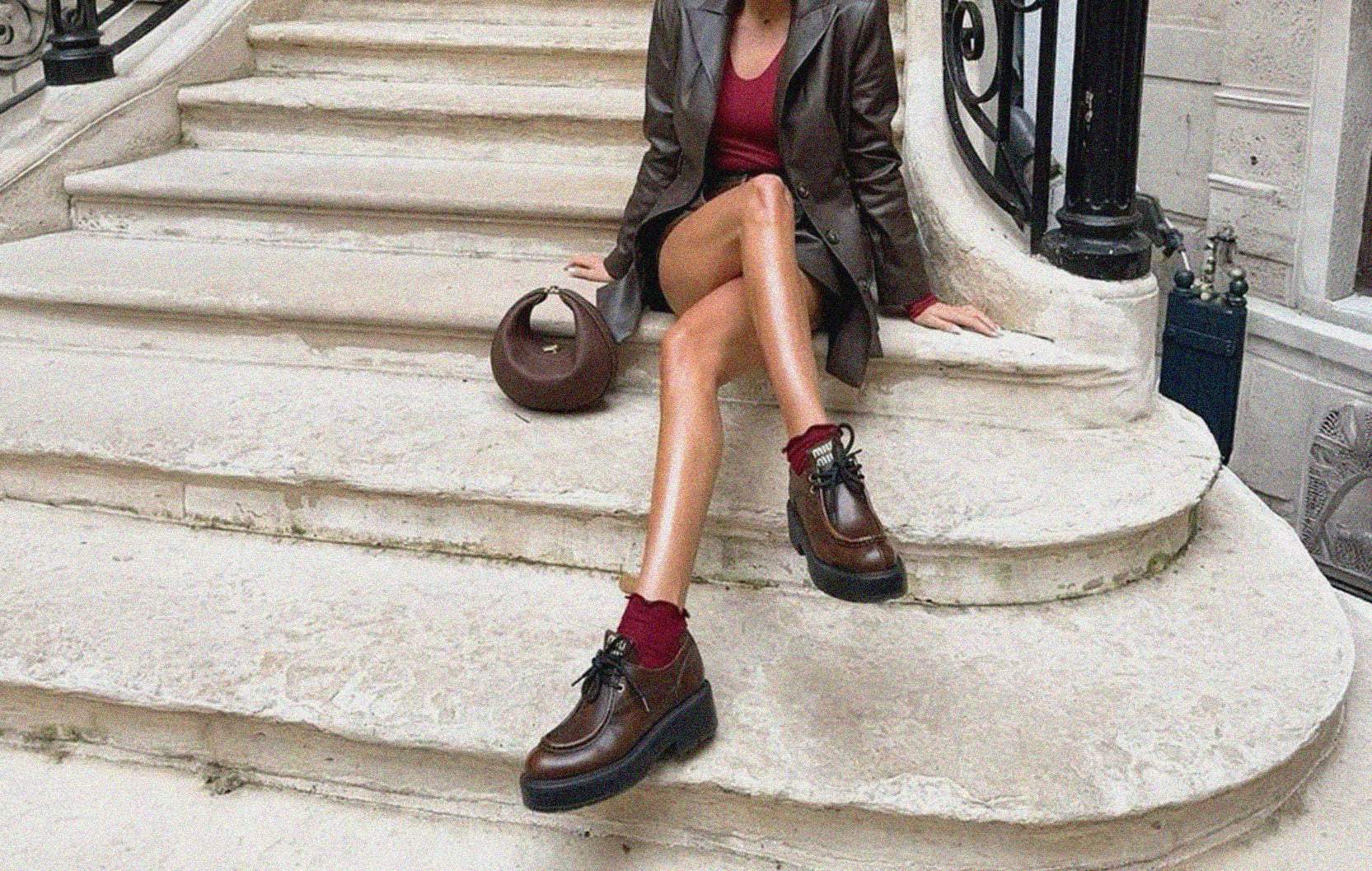
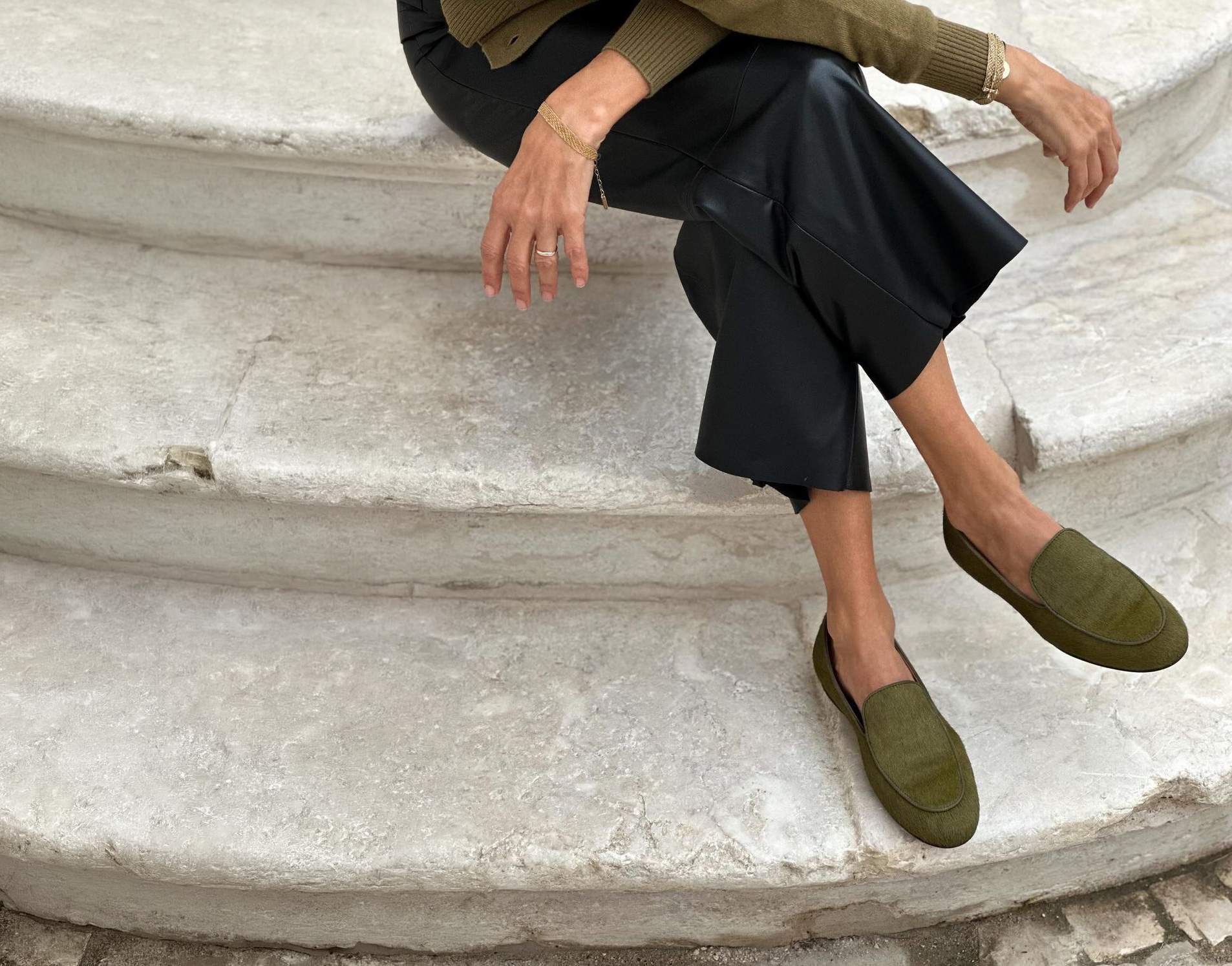
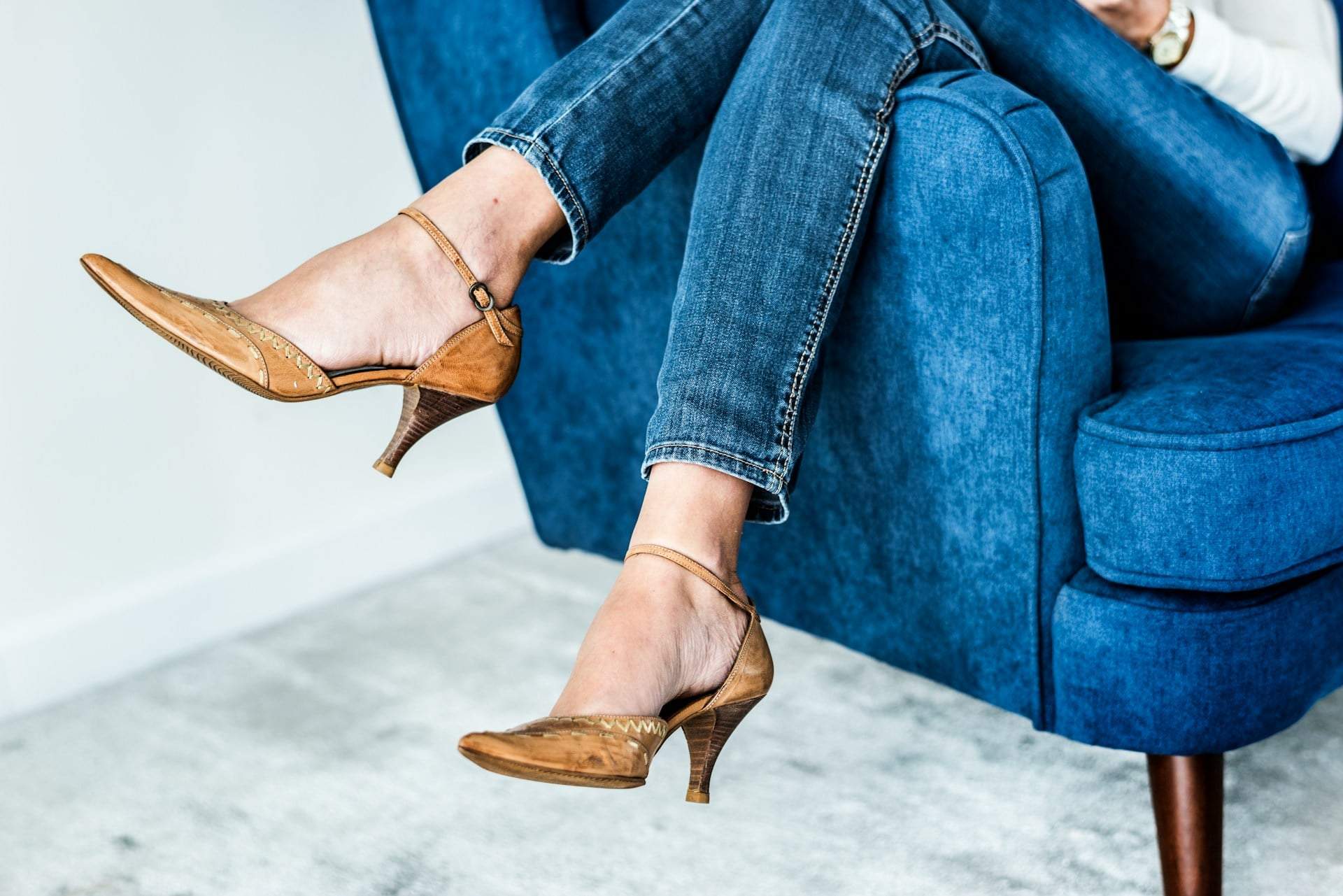
Pleats swish. That movement wants an anchor at the bottom of the outfit or the whole look floats away. This autumn the easiest anchors are a knee-high boot in the same tonal family as the skirt, a chunky ankle boot with a visible sole, or a loafer with a lug bottom and a good thick sock. A ballet flat can work, but only with a longer, heavier skirt and a strong top half — otherwise it doubles down on the school reference.
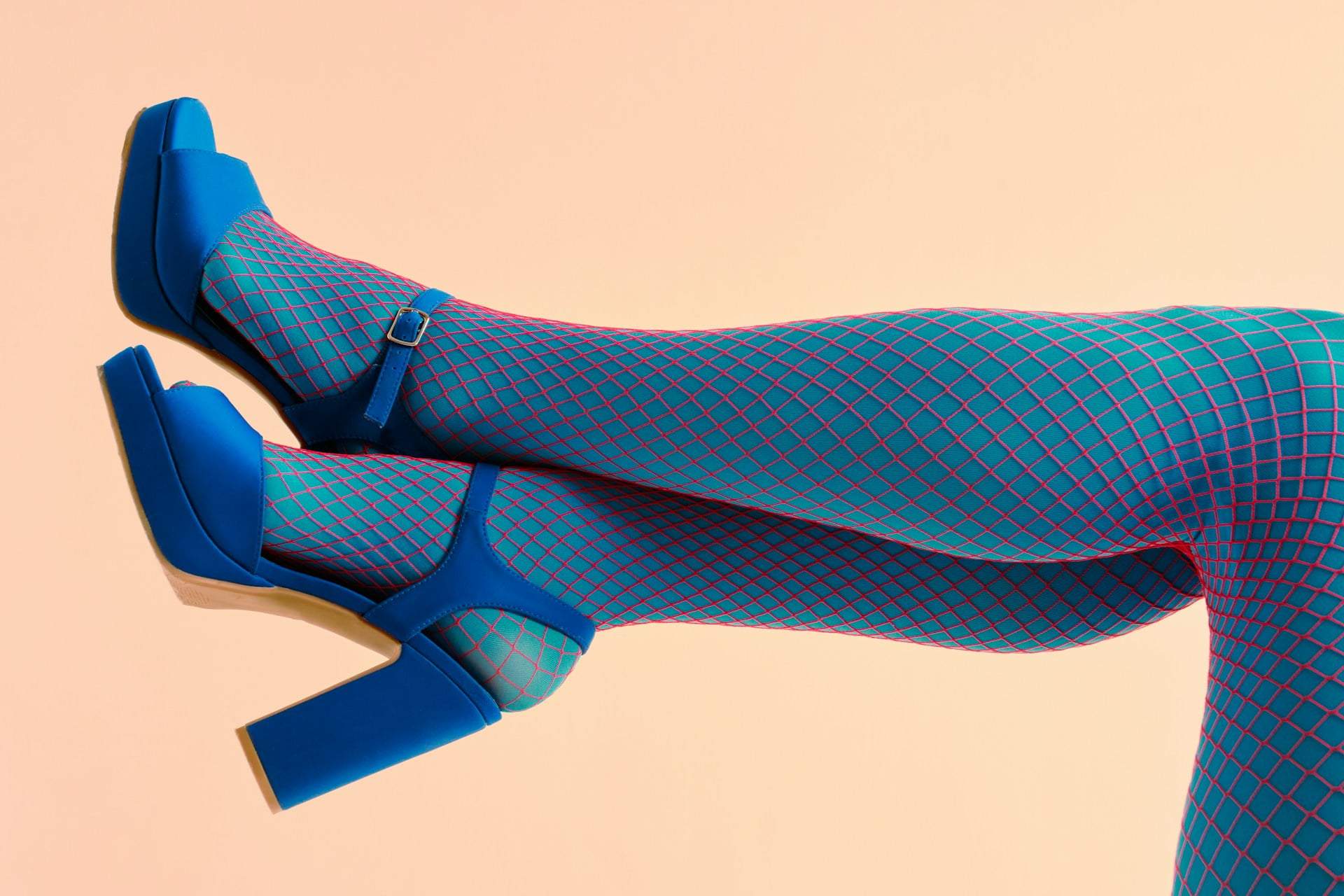
Tights matter too. Opaque in black, charcoal, deep brown or a colour drawn from the pattern will lengthen the leg and quiet a busy check. Sheer tights with a tartan kilt is the combination I would avoid; it looks like a dress code rather than a choice.
The three outfits I keep repeating
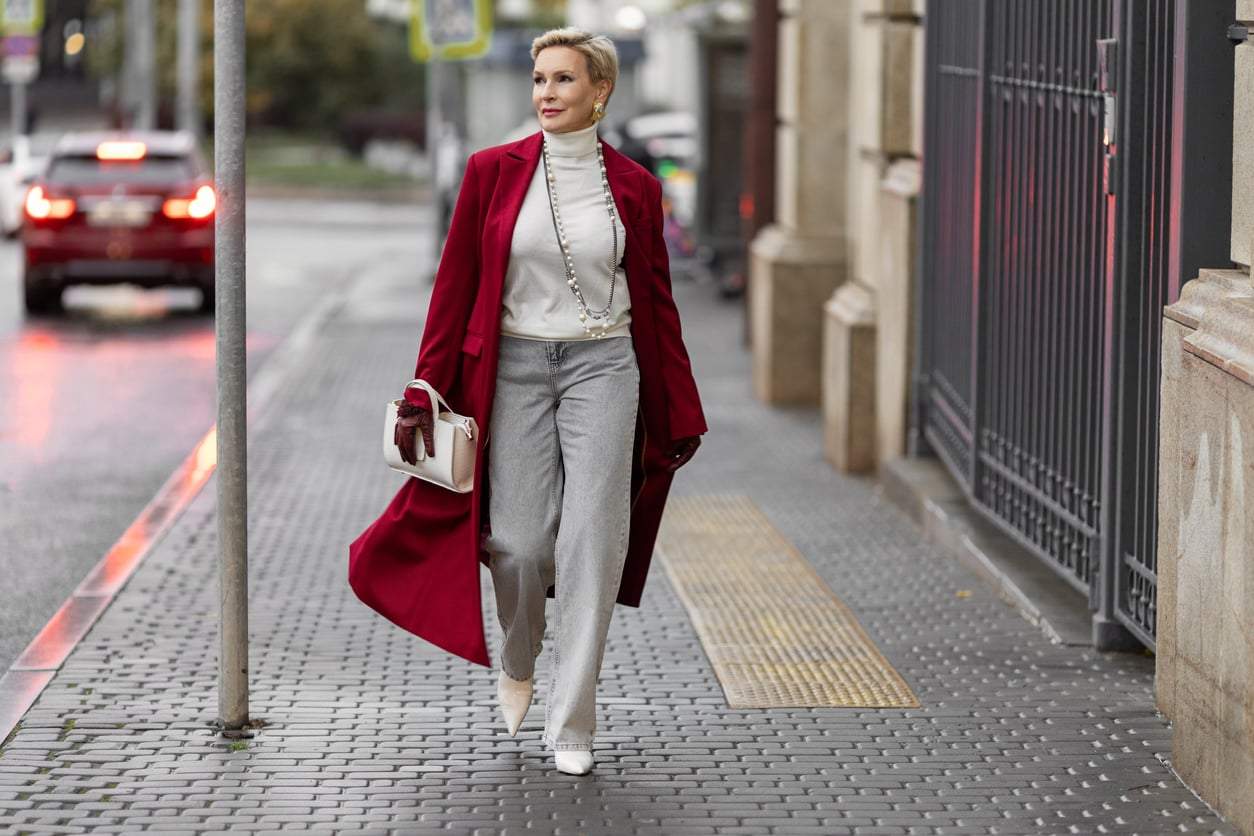
First: long navy or grey pleat, black polo neck tucked in, wide leather belt, tall boots, long wool coat. It is essentially a column of dark colour with movement in the middle, and it works for the office, a lunch, a gallery afternoon.
Second: tartan kilt skirt, oversized cream cable knit, thick tights, lug-sole loafers, cross-body bag. Weekend-proof and warm.
Third: satin or crepe pleat in a deep tone, plain fine-knit jumper, trainers, denim jacket. The trainer is what stops the satin looking like evening wear, and it makes the skirt an everyday piece rather than an occasion one.
What length of pleated skirt is most flattering?
For most people it is either mid-calf and below, or clearly above the knee — anything that cuts across the widest part of the calf shortens the leg and adds visual bulk exactly where a pleat is already full. Check it in a mirror while wearing the shoes you intend to wear, because a boot with a heel can move a borderline hem into the good zone instantly.
Can you wear a kilt-style skirt to the office?
Absolutely, as long as you tone down everything else and keep the finish sharp: a plain fine-gauge knit or a simple silk-look blouse, a structured coat or blazer, and a polished boot rather than a scuffed one. Choose a muted check in navy, forest or charcoal rather than a bright red tartan if your workplace runs conservative, and keep the accessories minimal so the pattern is the only statement in the room.