Our gut health has a powerful impact on how we feel daily — from energy and mood to immunity and digestion. Prebiotics — special dietary fibers — are essential for nurturing the good bacteria in our gut, helping our body get the most from our food. But which foods are the best prebiotic sources, and how can we easily add them to our meals? Dietitian Isabel Kiss is here to guide us through it.
Why Prebiotics Matter So Much
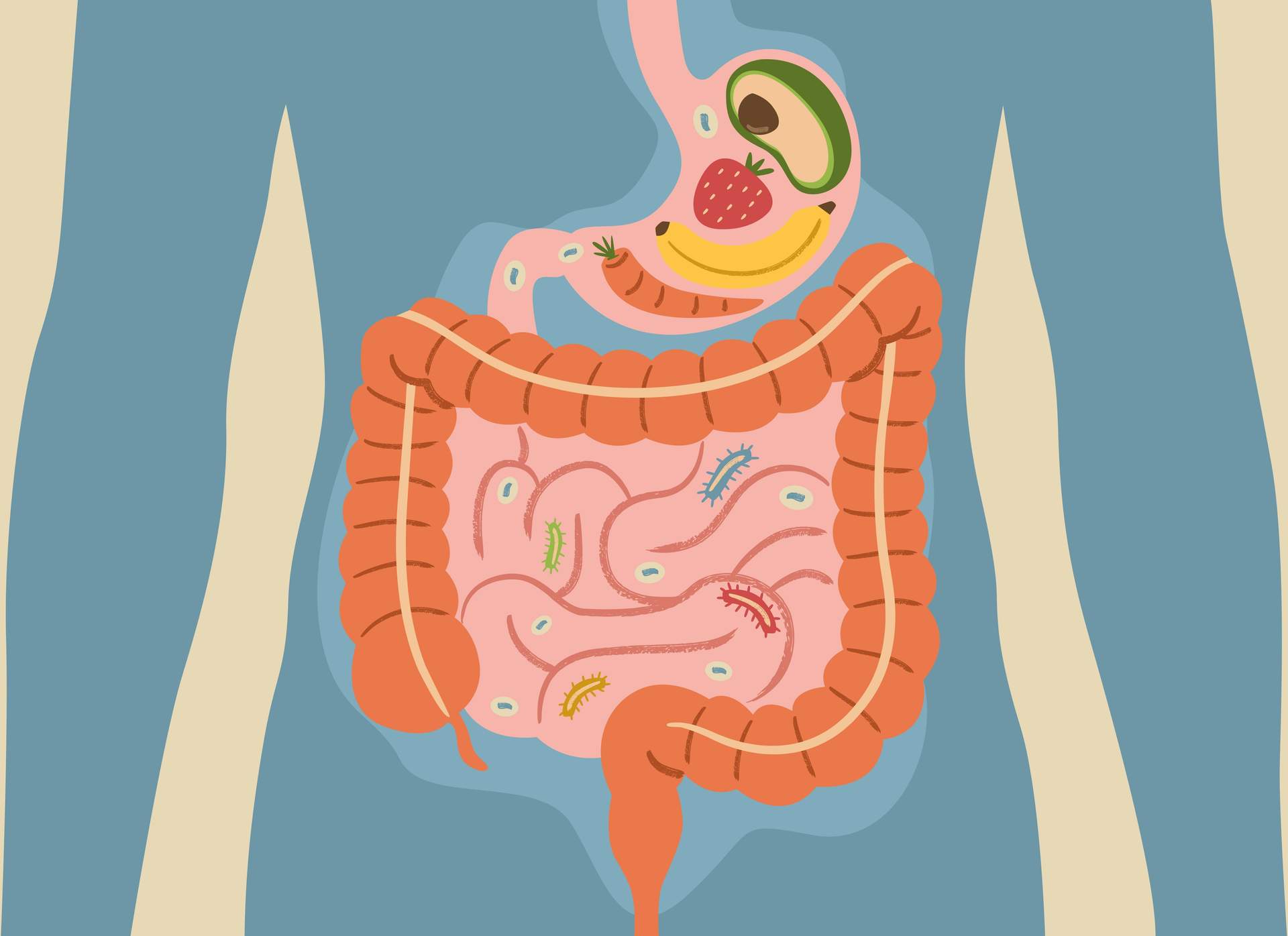
Isabel first highlights that prebiotics are indigestible fibers that feed the beneficial bacteria in our gut. When these bacteria ferment prebiotics, they produce short-chain fatty acids that not only support digestive health but also benefit other parts of the body.
A prebiotic-rich diet can boost immunity, reduce inflammation, support metabolism and fullness, and aid mineral absorption and mental well-being.
Everyday Helpers: Garlic and Red Onion
There are many prebiotic sources, but some ingredients are especially easy to add to your daily meals, says the dietitian:
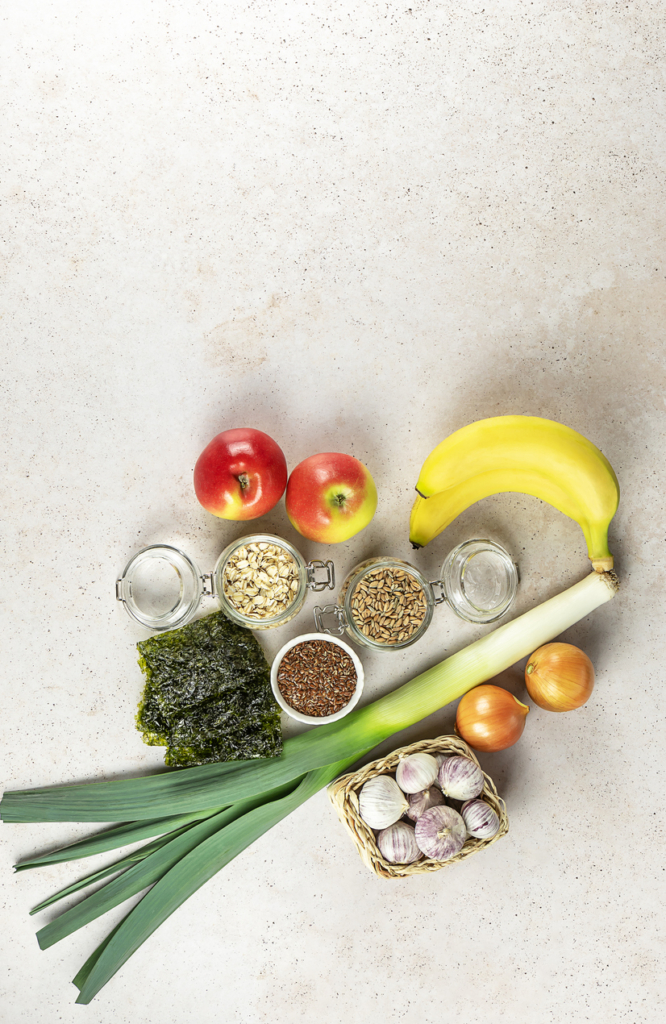
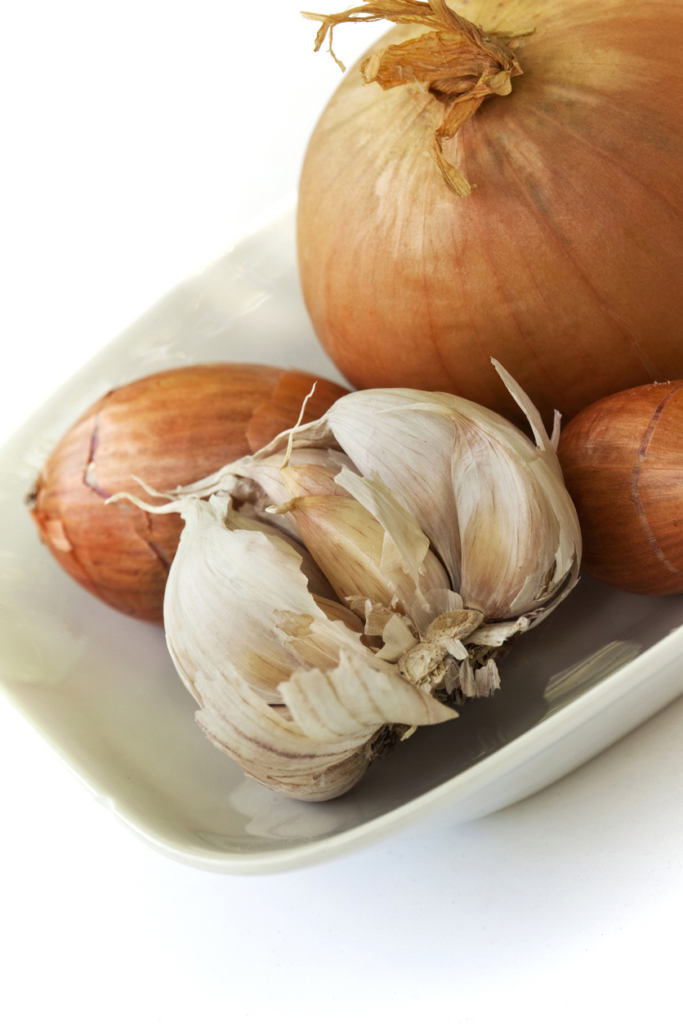
“First, I’d highlight garlic and red onion, as they’re excellent sources of inulin and fructooligosaccharides and can be used in meals without much fuss. It’s best to cook them lightly or enjoy them raw, like in salads, to maximize their benefits. Garlic supports immunity not just through its prebiotic fiber but also thanks to allicin, which has antimicrobial and immune-boosting effects, helping your body’s defenses.”
Oats, Green Bananas, and Resistant Starch
Oats and green bananas also play a starring role in a prebiotic-rich diet:
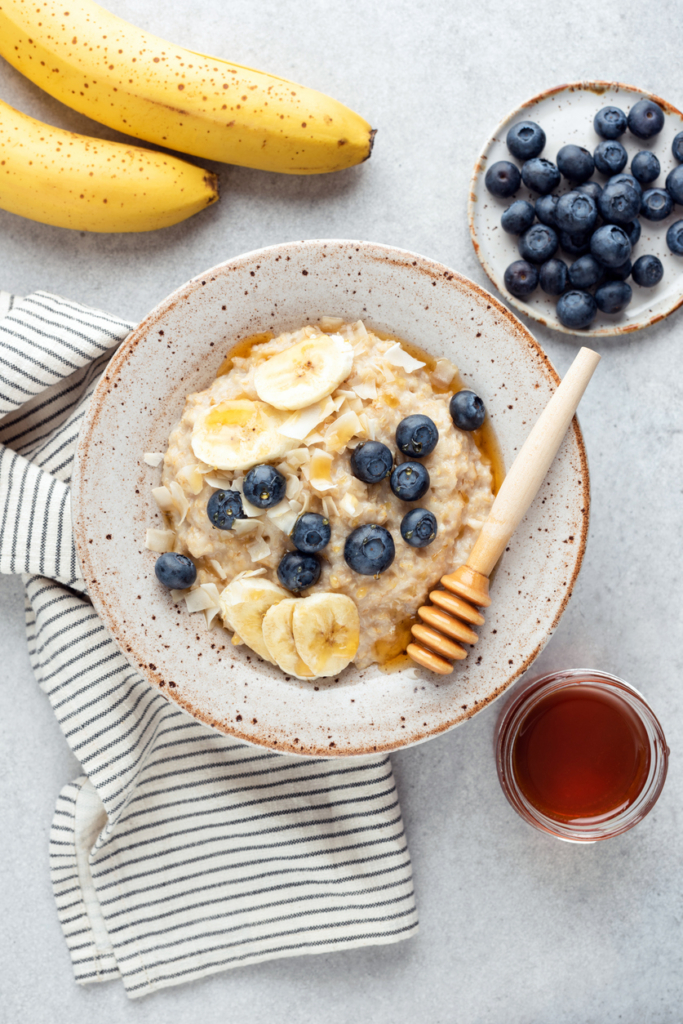
“Let’s not forget the popular oats, a great source of beta-glucan with beneficial prebiotic effects. You can enjoy them as oatmeal, mix into yogurt, or use in cooking. Pairing with slightly underripe green bananas adds even more prebiotics, as green bananas are rich in resistant starch.”
Similarly, cooked and cooled starchy sides like rice, potatoes, millet, barley, or pasta are excellent prebiotic sources. Honey also contains prebiotic components, so a soothing honey drink can support your gut flora too.
Vegetables: Gentle Cooking for Maximum Benefit
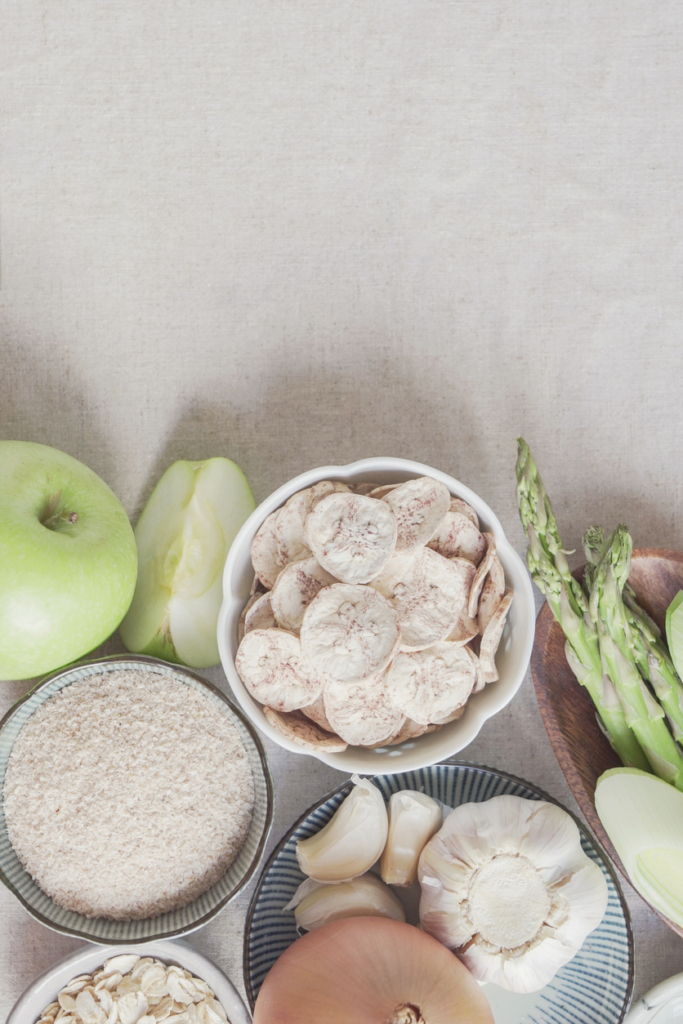
Beyond alliums, asparagus, Jerusalem artichoke, and chicory are especially rich in prebiotics:
“These mainly contain inulin and fructooligosaccharides. When preparing them, aim for gentle cooking methods like steaming or shorter cooking times, since too much heat can reduce prebiotic fiber effectiveness. Alliums and chicory can even be eaten raw, which boosts their positive effects.”
Fruits: Rich Sources of Pectin
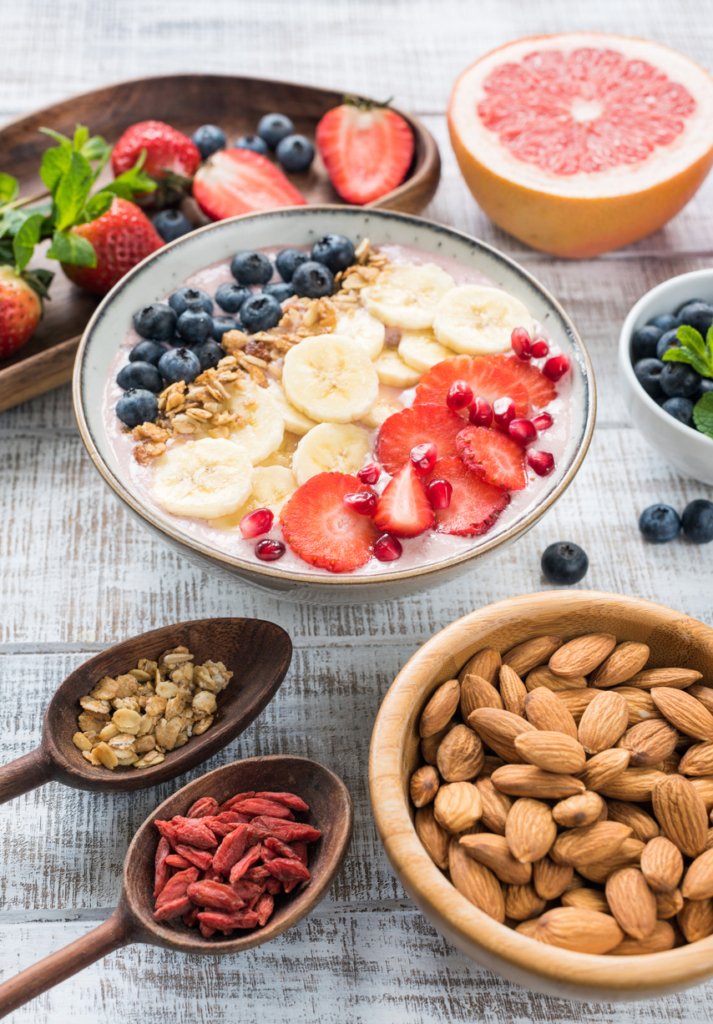
Besides green bananas, apples, apricots, oranges, and berries are fantastic prebiotic sources:
“Add these as snacks and, if possible, eat the fruit skins too. It’s best to enjoy them raw and pair with cheese or nuts to slow sugar absorption.”
Legumes: More Than Protein and Fiber
Legumes like lentils, chickpeas, and beans are vital for gut health:
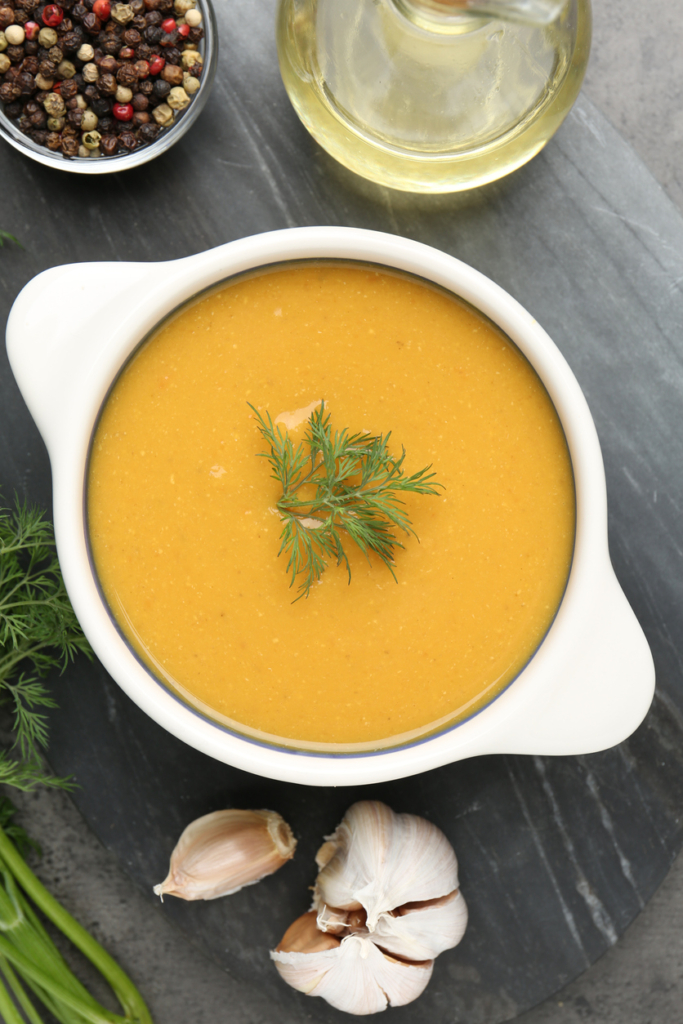
“Legumes are rich in fiber, protein, and micronutrients, and their galactosaccharide and resistant starch content makes them important prebiotic sources. Their polyphenols also support gut flora, cardiometabolic health, and immunity.
Try to eat legumes 2-4 times a week, preferably cooked from dry. If using canned, choose low-sodium, preservative-free options. How you prepare them affects digestibility, so creamy soups, stews, or purees are easier on your system.”
Isabel also stresses the importance of gradual introduction:
“If you experience digestive discomfort, you can discard the first cooking water, but this also removes some water-soluble prebiotics. Starting with smaller portions and slowly increasing intake is key. With normal tolerance, legumes can be cooked whole and added to salads, stews, soups, or wraps.”
Synbiotic Effect: Prebiotics and Fermented Foods
You can boost prebiotic benefits by pairing them with fermented foods:
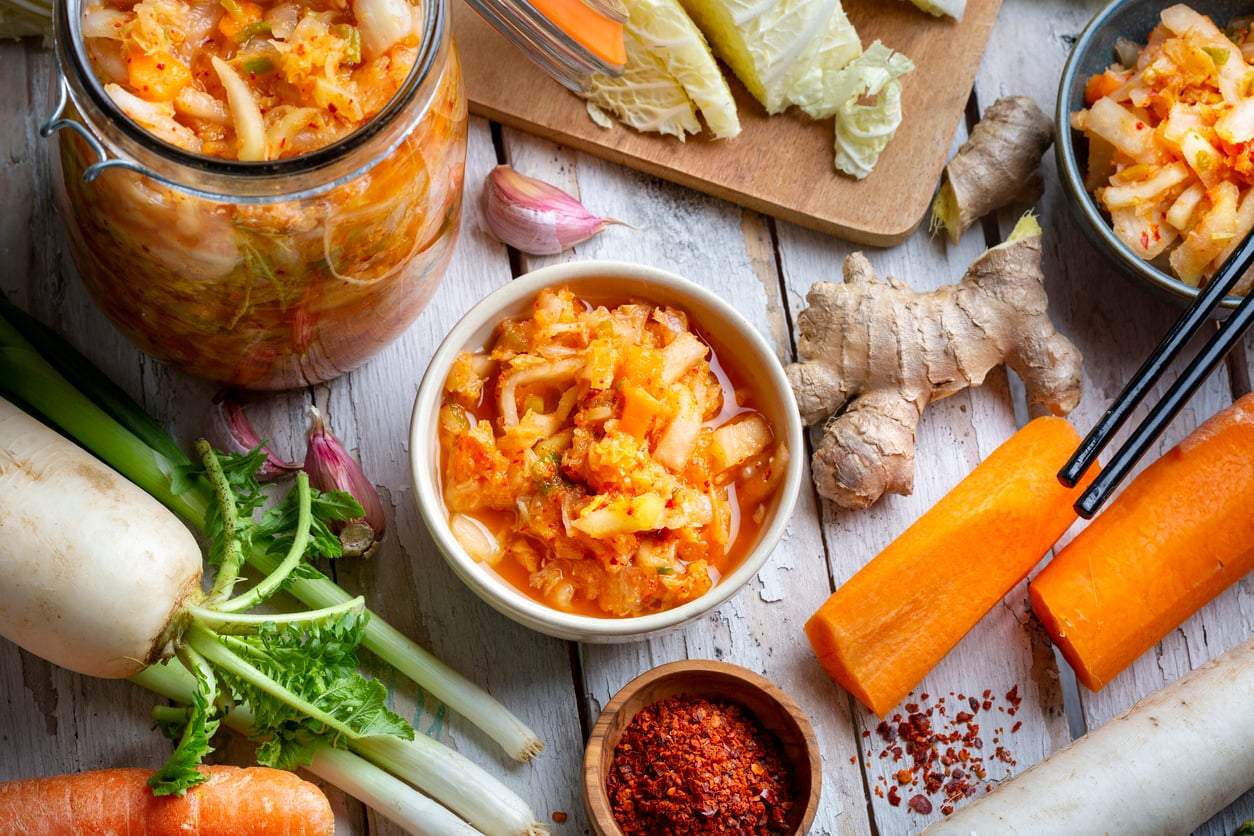
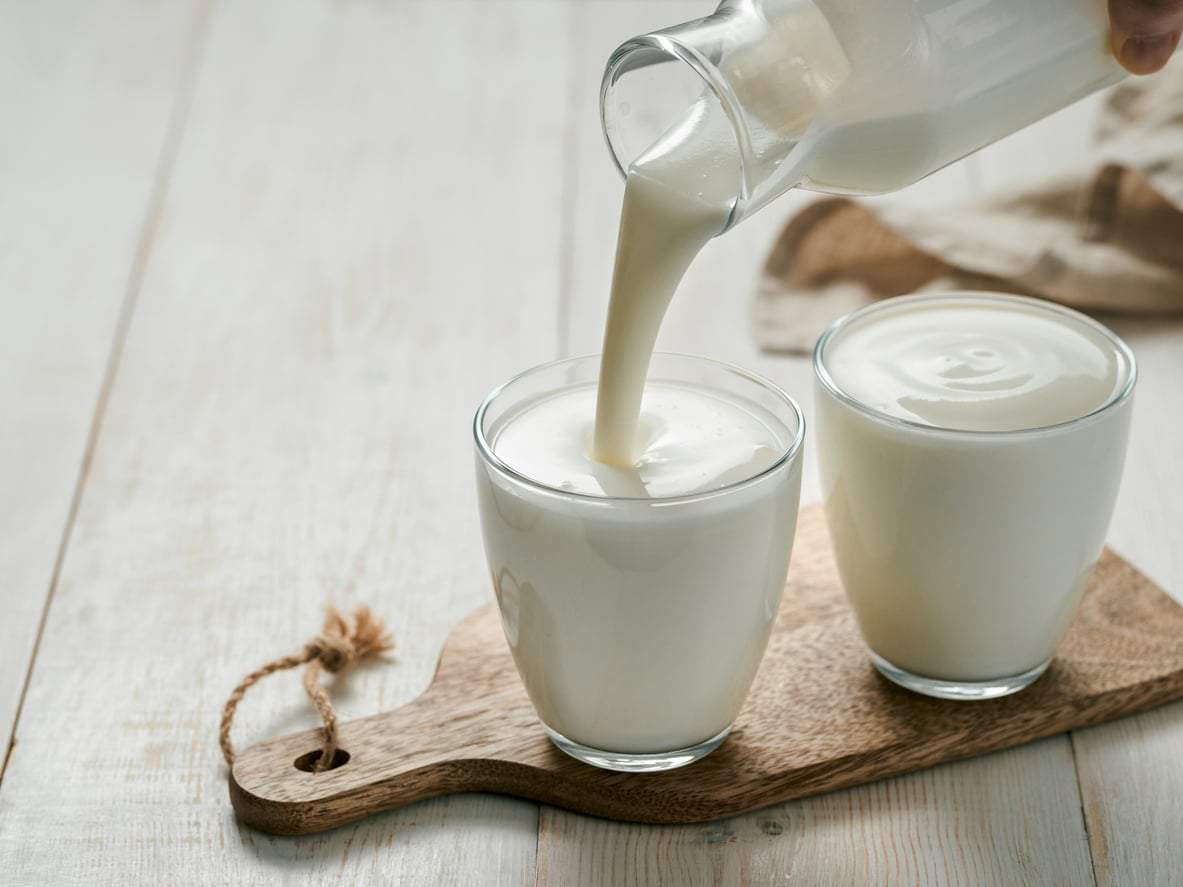
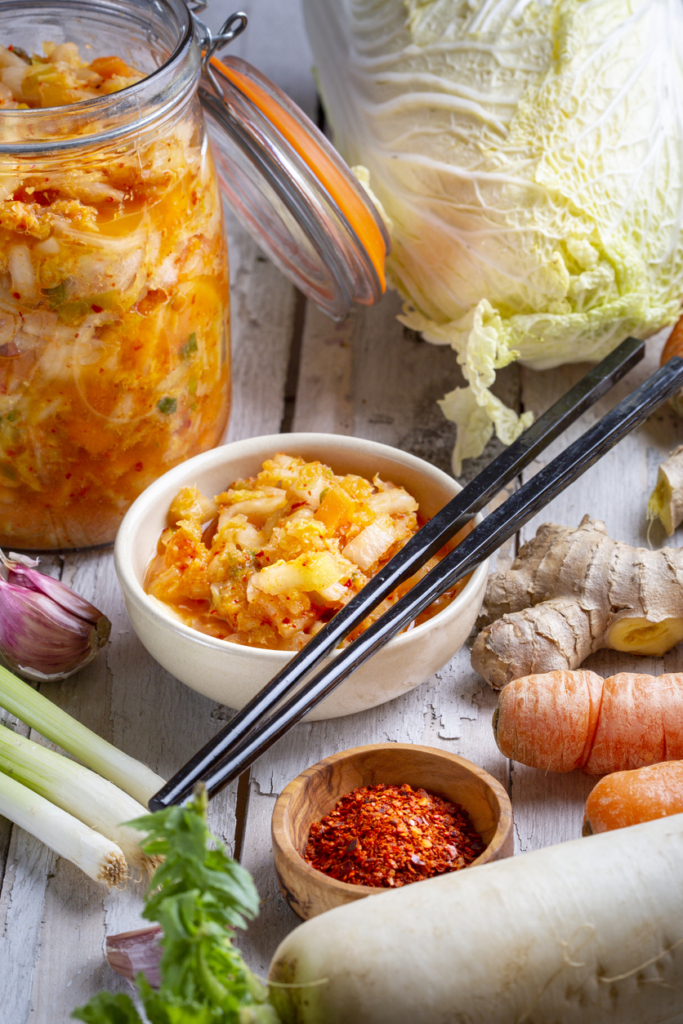
“Combining fermented foods like yogurt, kefir, sauerkraut, or kimchi with prebiotic foods creates a synbiotic effect, supporting both beneficial bacteria and short-chain fatty acid production in the gut. Try mixing prebiotic and fermented foods in the same meal to maximize health benefits.”
Small Changes Can Make a Big Difference
If you’re not a fan of the prebiotic sources mentioned, the dietitian suggests making small tweaks to your favorite meals to boost prebiotic and fiber content—like swapping or adding one ingredient. This way, changes are subtle, and over time, your taste and needs will adapt to healthier choices.
How Much Prebiotic Fiber Should You Eat Daily?
Finally, let’s not forget the ideal daily amount:
“Aim for 3-5 grams of prebiotic fiber daily. This isn’t your total fiber intake—that’s about 25-30 grams for an average adult. You can reach 3-5 grams by eating 100 g cooked lentils, 50 g oats, and one whole green banana together.”