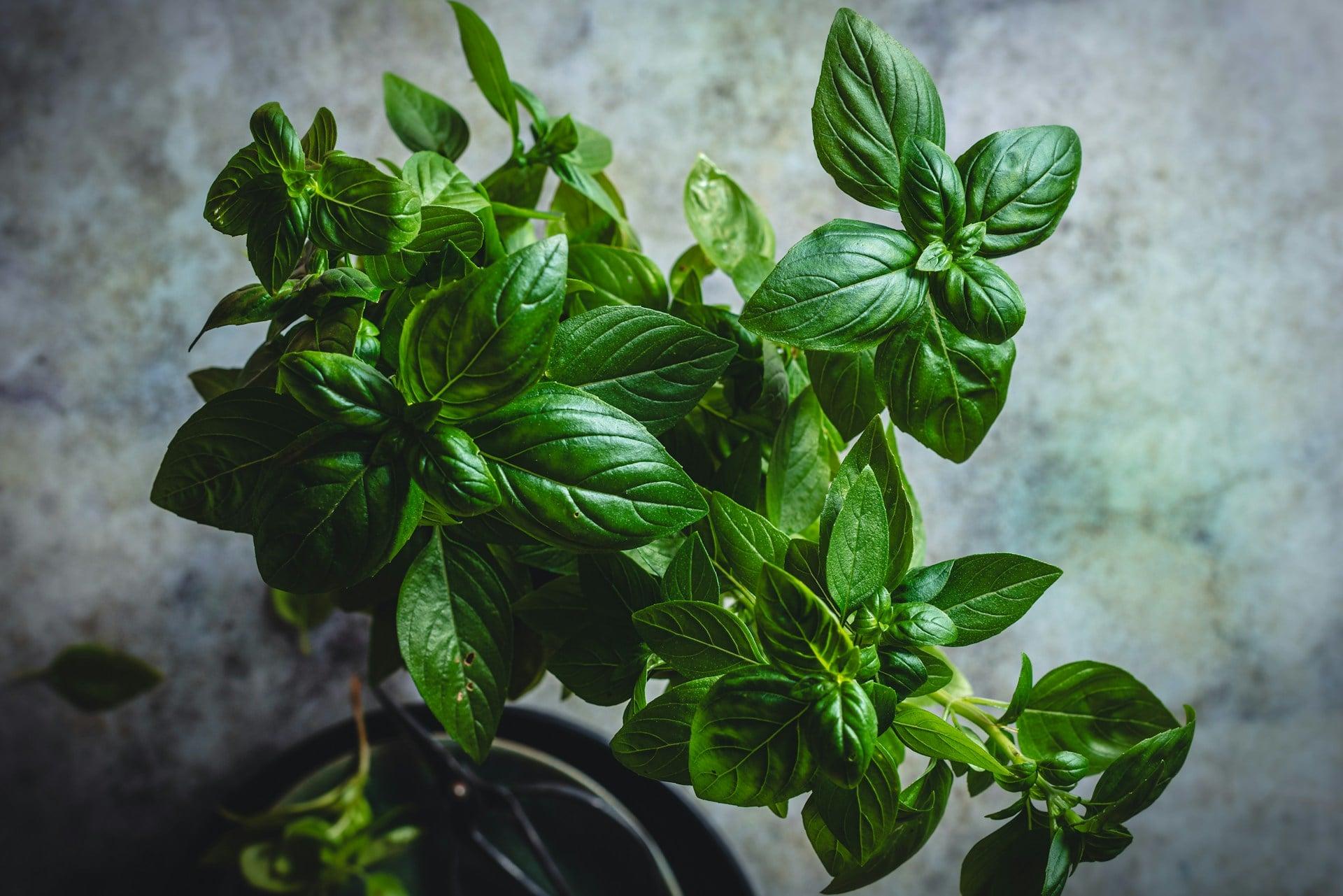
Whether you’re making cheesy pizza, pesto pasta, or roasted chicken, basil is a staple herb for many home cooks—and for good reason. “Basil’s sweet, slightly peppery flavor adds a unique twist and a healthy boost to any dish,” says dietitian Michelle Routhenstein. Fresh leaves are silky and tender, shining in salads, sauces, pesto, or finely chopped into dressings. But basil isn’t just about flavor; it’s a true nutrient bomb that supports both taste and well-being. Here are 5 reasons to add basil to every meal.
Rich in Antioxidants
Basil is packed with eugenol, a powerful antioxidant that neutralizes harmful free radicals and reduces oxidative stress. This process may help lower the risk of chronic diseases, especially heart and vascular issues. Just a few fresh leaves daily can make a meaningful difference to your health.
A Valuable Source of Vitamins and Minerals
Though we don’t eat it in large amounts, basil leaves are concentrated with vitamins K and A, plus smaller amounts of iron and calcium. A few leaves can boost your daily vitamin intake, supporting your bones, circulation, and immune system.
Anti-Inflammatory Benefits
Plant compounds in basil, like polyphenols, have strong antioxidant properties that help reduce inflammation in the body. This not only protects your cells but may also support heart health, help prevent type 2 diabetes, and strengthen your overall resilience.
Supports Blood Sugar Balance
Research suggests basil may help regulate blood sugar levels and insulin sensitivity. Its polyphenols can slow glucose release and carbohydrate breakdown, benefiting metabolism and making it easier to maintain a balanced diet.
Improves Digestion
Basil contains ingredients that may reduce gut inflammation, easing bloating, stomach cramps, and digestive discomfort. It can also positively influence gut flora balance, supporting long-term digestive health.
How to Add More Basil to Your Diet
Sprinkle It on Just Before Serving
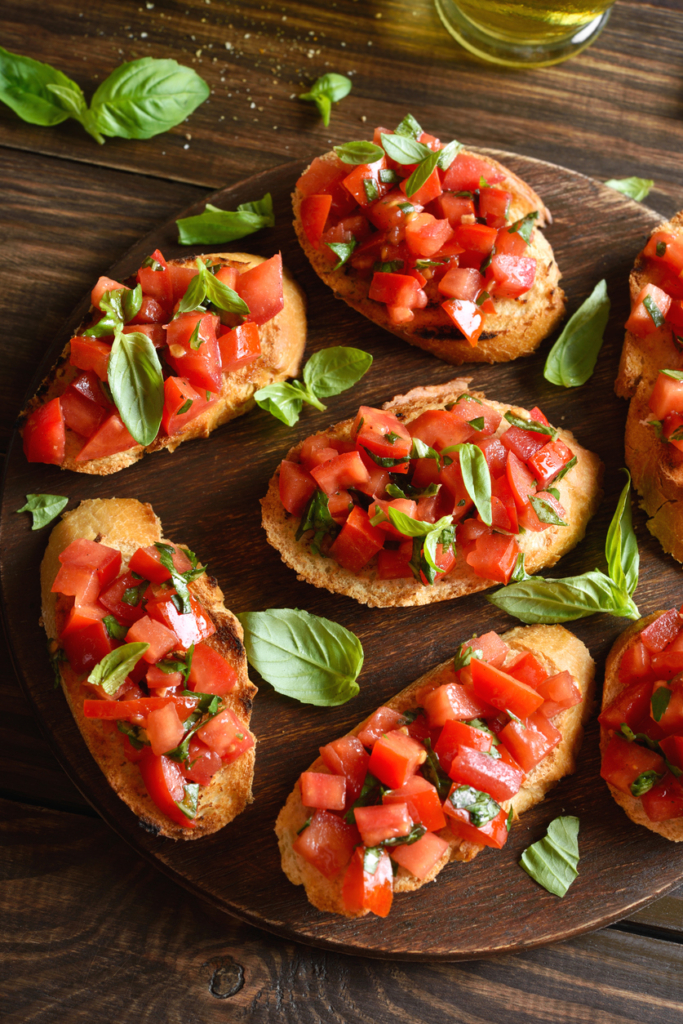
Fresh leaves scattered over salads, pastas, stir-fries, or soups not only enhance flavor but also brighten the presentation.
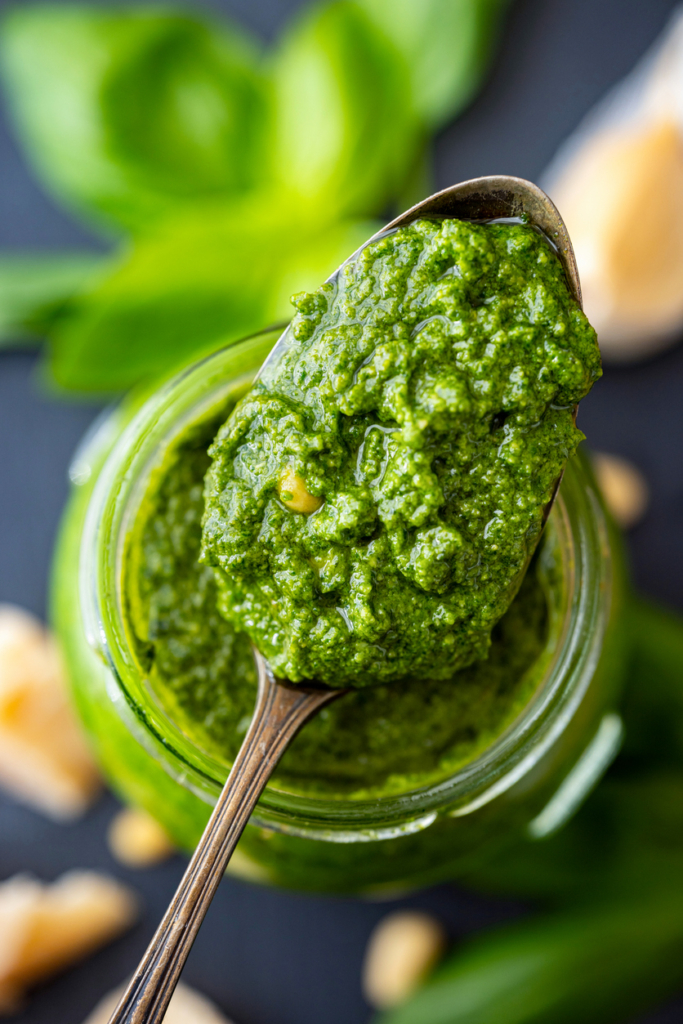
Make Homemade Pesto
Basil is the classic base for pesto, delivering an unbeatable fresh and vibrant flavor.
Boost Your Sauces
Dried basil pairs wonderfully with various meats, stews, and even fish dishes.
Freeze for Later
If you have a bountiful harvest, chop and freeze basil to enjoy its freshness all winter long.
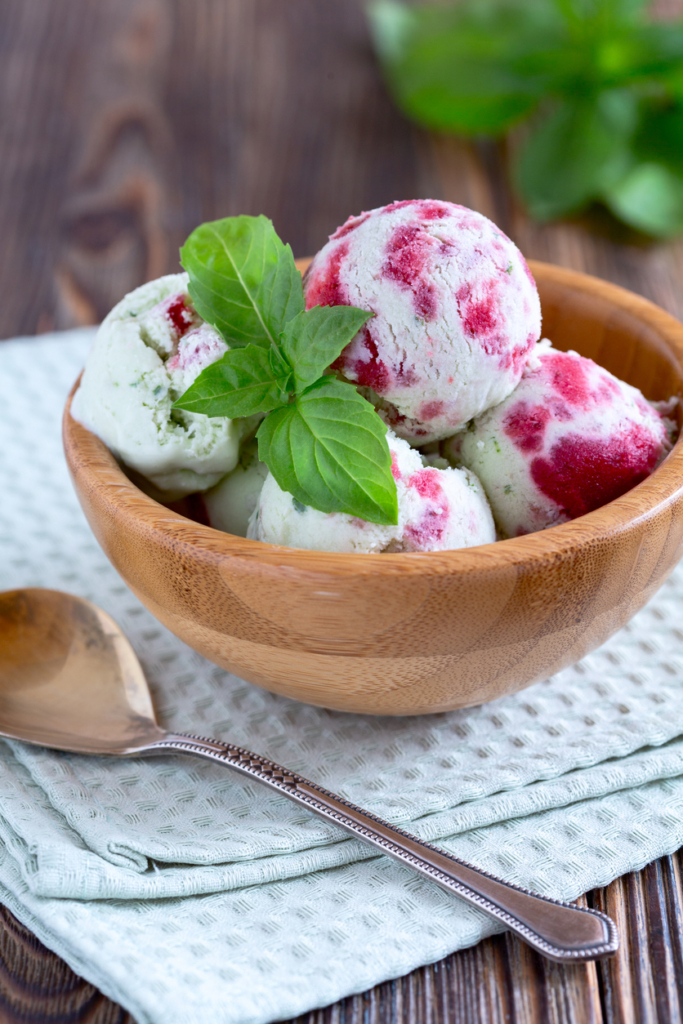
Try It in Sweet Dishes
A few fresh leaves work beautifully in fruit salads, especially with strawberries or peaches, drizzled with a touch of honey.
Use It for Breakfast
Fresh basil adds a bright, fresh flavor to fried eggs, avocado toast, or creamy omelets—letting you enjoy its benefits right from the start of your day.
So, basil isn’t just an herb—it’s a genuine vitamin source that enhances flavor and supports your health. Keeping a small bunch on your kitchen counter or windowsill guarantees more freshness, livelier aroma, and natural nutrients in your daily meals. A small handful of green leaves regularly can contribute to long-term well-being, balanced digestion, and sustained vitality—all in a delicious, fragrant package.