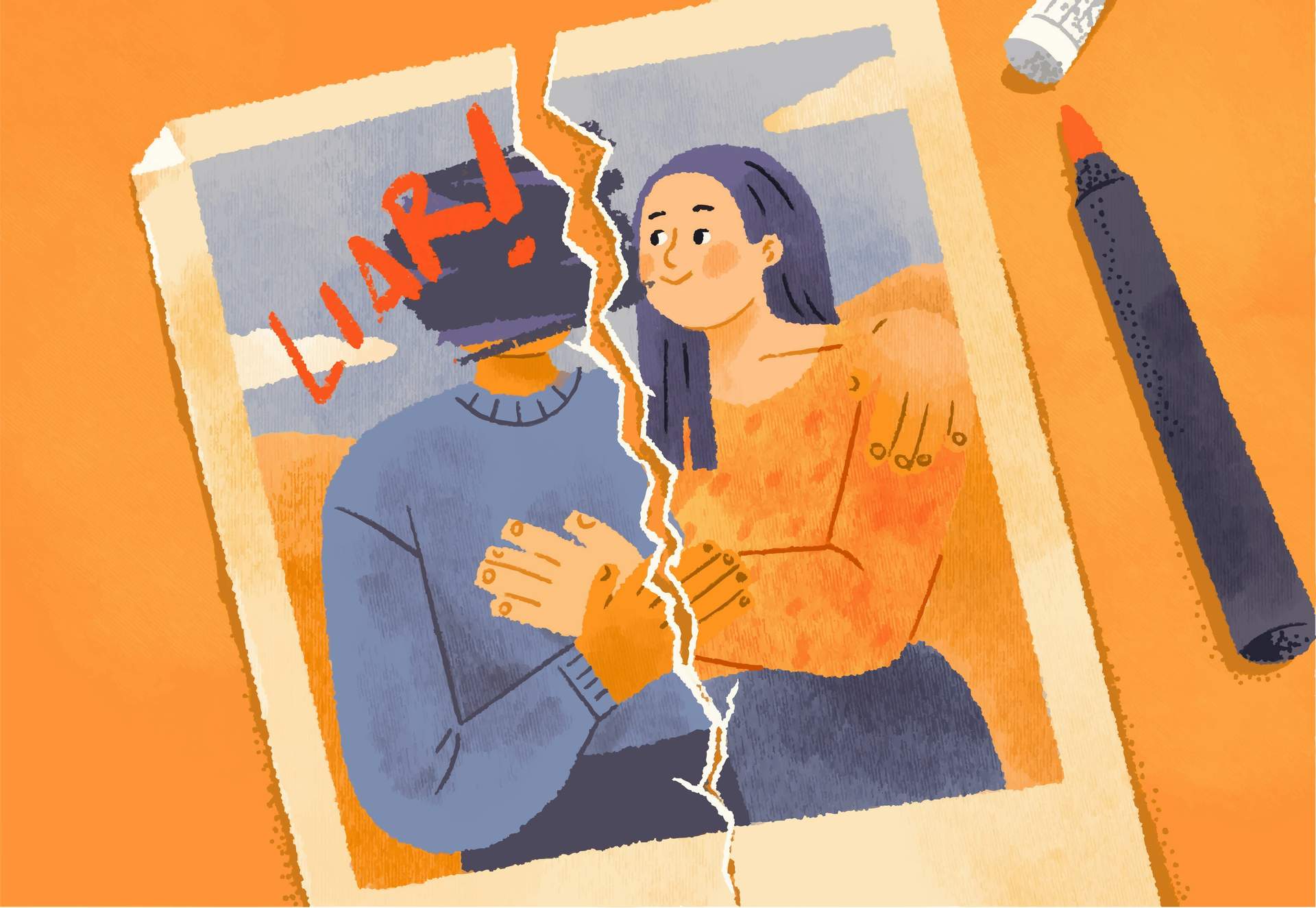
The term "emotional burnout" is no longer unfamiliar, as more people face this complex mental challenge of our time. It mainly arises from prolonged stress, constant overload, and uncontrolled emotional swings. While it can affect almost anyone, it often hits those who take on too much and don’t give themselves enough time to rest and recharge.
The Toxic Signs of Emotional Exhaustion
Emotional burnout develops primarily from psychological strain, leading to serious mental and physical decline. You might feel unable to find motivation for daily tasks. Key signs include persistent fatigue, felt both physically and mentally. Dropping energy levels and lack of motivation often come with concentration struggles that complicate everyday life.
These signs could mean someone is on the edge of emotional burnout and needs support soon. Beyond fatigue, experts highlight anxiety and depression symptoms as strong burnout indicators. These deepen the struggle and can seriously impact quality of life.
How Emotional Burnout Affects Thinking
Emotional burnout is complex—it affects feelings and mental functions. Many report memory and focus issues that make daily tasks harder.
Constant mental overload and brain fatigue can make even simple tasks feel challenging.
Other cognitive signs include irritability and impatience, which can spark conflicts at work or home. Managing stress becomes tougher, worsening existing symptoms.
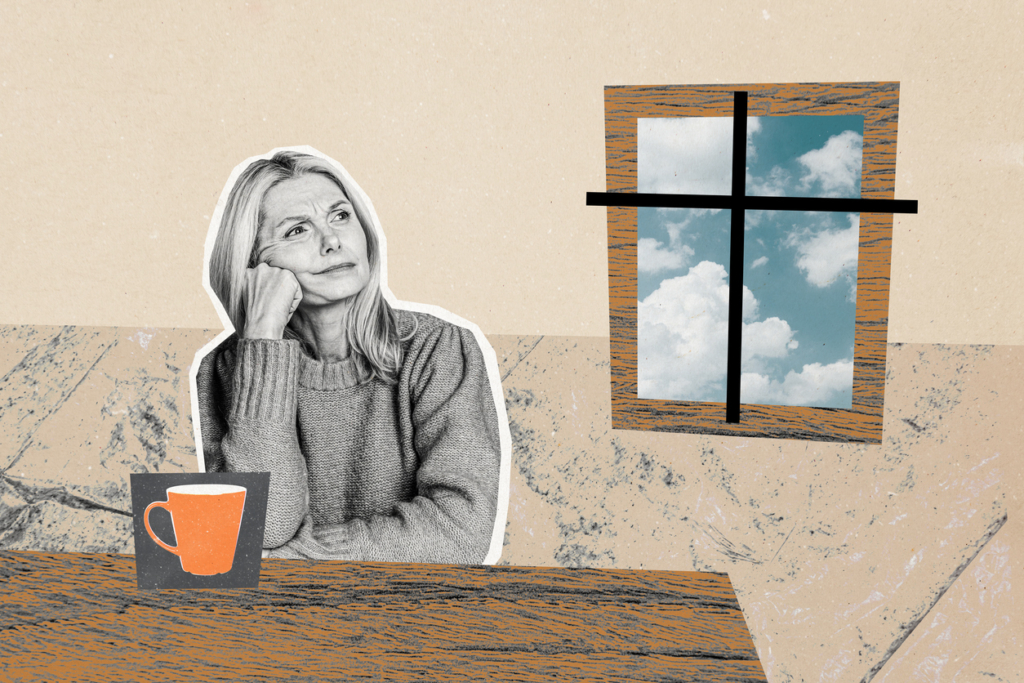
Emotional Burnout’s Impact on Relationships
It’s not just the individual who suffers—emotional burnout often takes a toll on social connections too.
Mental fatigue and general indifference can cause withdrawal from social and community activities. Neglecting friends and family often deepens isolation.
As relationships suffer, emotional burdens grow heavier. Without support and security, burnout symptoms can worsen. Experts stress that open communication and nurturing social ties are key steps toward healing.
Strategies for Prevention and Recovery
Preventing and managing emotional burnout starts with awareness and self-knowledge. Experts recommend reevaluating priorities and managing time wisely to protect mental health. Active rest, regular exercise, and balanced nutrition all support emotional recovery.
Seeking professional help—from psychologists or therapists—can be crucial for processing emotional pain and learning stress management techniques. Lifestyle changes remain one of the most effective ways to create lasting improvement.