
When you care for someone—whether it’s an elderly relative, a sick friend, or your own child—you often feel like "they need me now, so my needs take a backseat, and I put theirs first".
But the latest science and personal experiences show that caregiving isn’t a one-way street. In fact, when you care for others, you heal too—mentally, emotionally, and even physically.
Care as Mutual Healing
No parent will be surprised when I say: few feelings are worse than having a sick child. But many parents also know the other side: sleepless nights by a feverish child, the loving care, the feeling that they need you, and that your presence brings relief. These moments create a special closeness and connection even in tough times.
Modern brain research reveals that caregiving affects not only the other person’s life but your own as well.
Researchers found that loving touch and connection actually synchronize brainwaves between caregiver and care receiver—this measurable, scientific effect changes both of you.
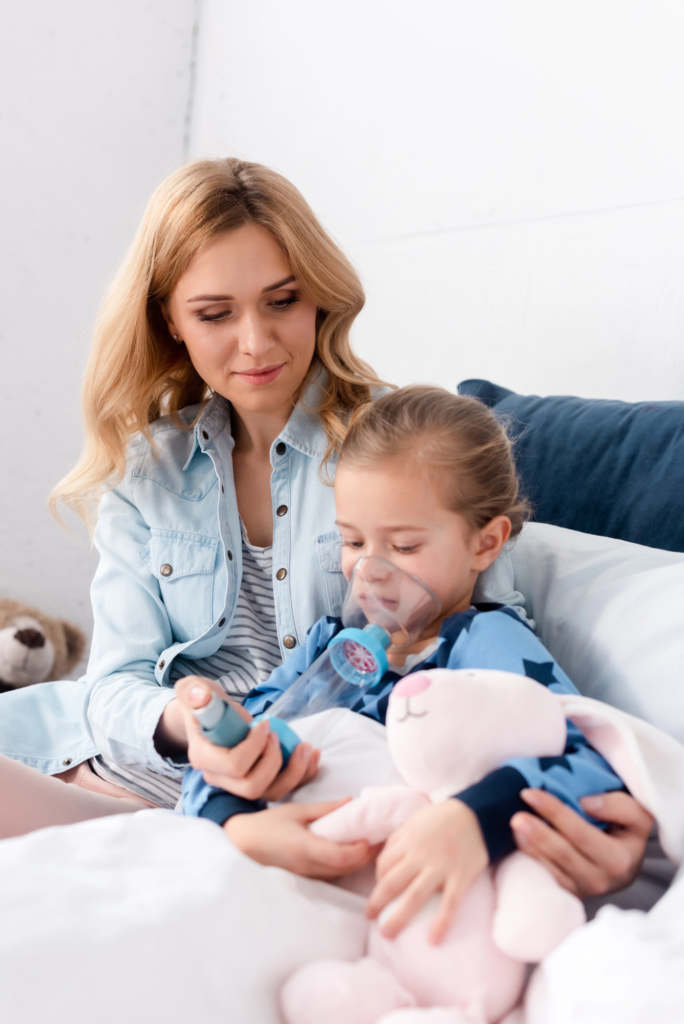
This means that when you hold the hand or hug a sick loved one, you’re not just offering support—you’re actively influencing your own nervous system. Connection and closeness heal biologically—not just emotionally but at a nervous system level.
One key insight from caregiving research is that there’s no pure “caregiver” or “care receiver” role. While it may seem like you’re the one giving time, energy, and strength, the truth is deeper: spending time with someone builds a bond, and that emotional connection supports healing for both of you.
Beyond Just Helping
We often hear that "helping feels good". But modern studies go further: caregiving actively improves overall health and well-being. Caregivers often report a strong sense of purpose—feeling they’ve made a meaningful impact on others’ lives—which links to better mental health and quality of life.
This doesn’t mean caregiving is always easy or stress-free. There are tough moments—sleepless nights, emotional exhaustion, physical strain—that affect your health. Yet even in those hard times, caregiving offers a chance to learn deeply about yourself, grow emotionally stronger, and redefine what compassion truly means.
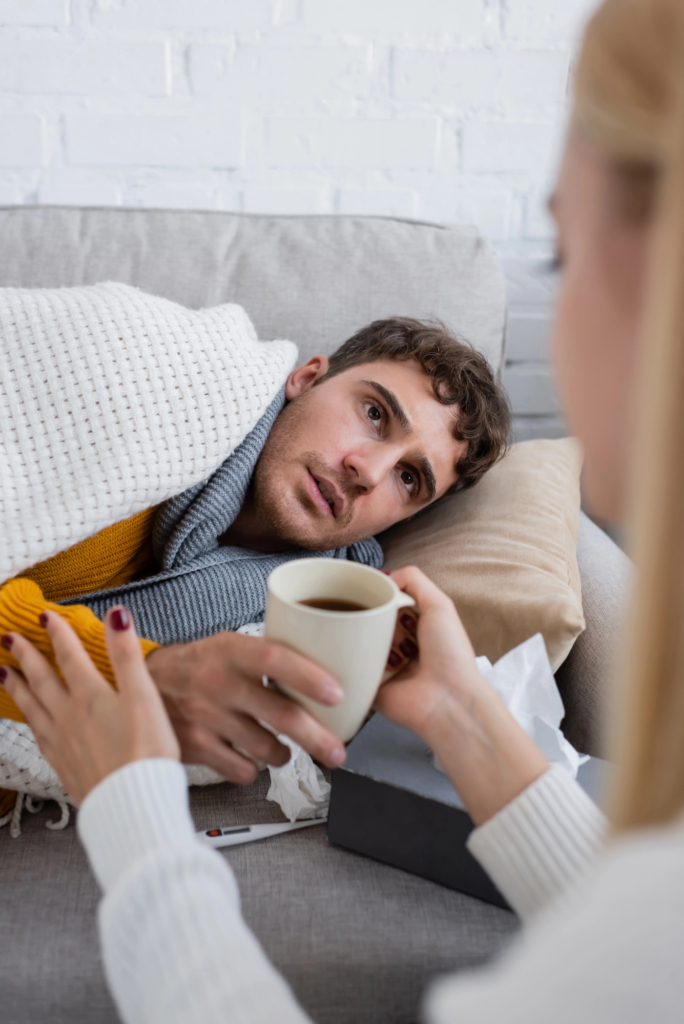
Empathy vs. Compassion: What Really Heals?
It’s important to distinguish between feeling others’ pain (empathy) and offering warmth, care, and support (compassion). Empathy—simply sharing another’s suffering—can be draining and even lead to burnout over time. Compassionate caregiving, however, activates brain networks linked to positive emotions and social bonding, bringing real emotional benefits and healing to both sides.
Connection Network: The Role of Community
It’s no coincidence that support networks—whether family, friends, or community groups—greatly enhance the feeling of healing. Shared meals, mutual support, or a simple "How are you?" can encourage recovery more than any medicine alone. Some studies even show that strong social support can boost survival chances by about 50% in serious illnesses—a benefit comparable to key healthy lifestyle changes.