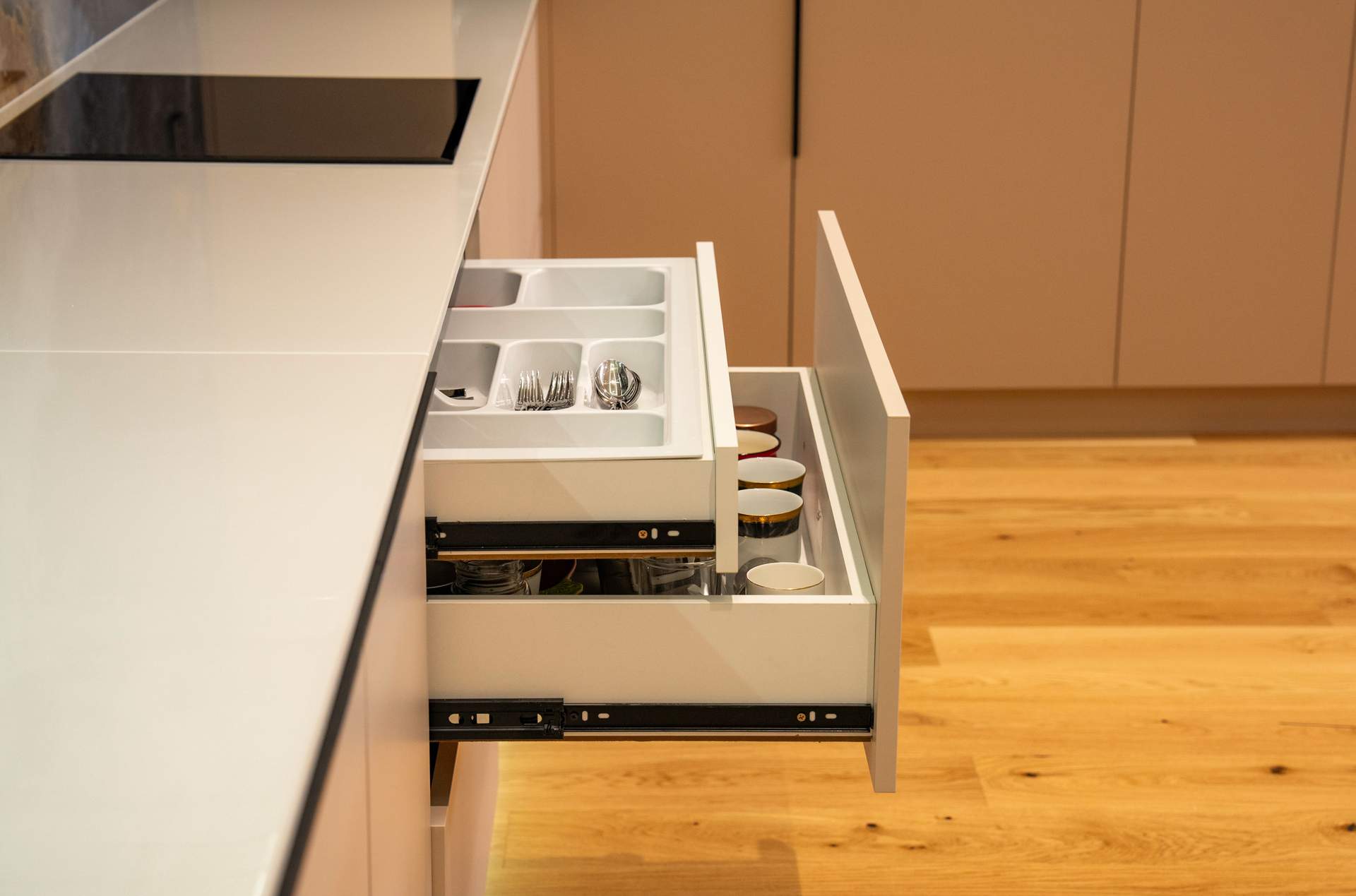
Set a reminder for six months. Whatever you haven't retrieved by then can go without further deliberation, and crucially, without you having to relive the decision. Most people find they retrieve two or three things and forget entirely about the rest. That forgetting is the answer.
One exception worth protecting: genuinely sentimental objects don't belong in this system at all. A method built on usage will always undervalue your grandmother's letters or the dress you wore to something that mattered. Take those out at the start, give them a proper box of their own, and don't let a productivity exercise near them.
What if I share a home and my partner doesn't want to do this?
Run it only on your own things and the shared items you're the main user of — your side of the wardrobe, your half of the bathroom shelf. A tracking system imposed on someone else reads as surveillance, however kindly intended. In practice, people tend to become curious after a few weeks, and an invitation lands far better than a project you've already started on their behalf.
Isn't a month too long to wait to get organised?
It feels slow, but compare it with the usual cycle: a frantic weekend, a temporary high, and the same cupboard refilling within a season. The reverse method takes almost no active time — turning a hanger, peeling a sticker — and it produces decisions that actually hold, because you're removing things you have proven you don't reach for rather than things you couldn't defend while exhausted. If you need a visible win sooner, do one obvious drawer in week one and let the tracking handle everything else.