Why It’s Important to Recognize Maternal Wounds
Everyone has a story that deepens with time. Childhood wounds that once hurt can still leave traces in adulthood. If your mom was hurt as a child, those scars often influence how she mothers today.
Recognizing and understanding childhood trauma matters not just for the person affected but for the whole family. The first step to seeing maternal wounds is honest reflection and a willingness to understand more deeply.
1. Withdrawn Emotional Behavior
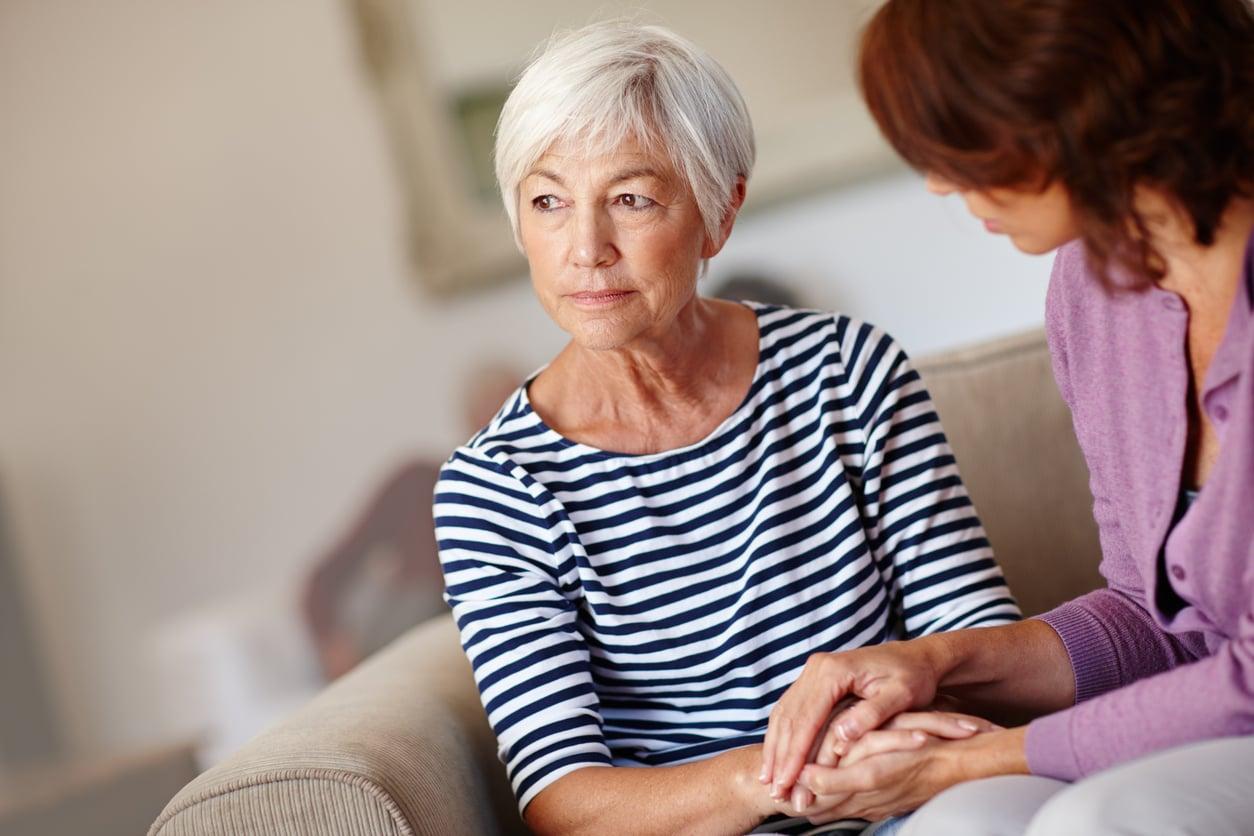
A common sign of childhood wounds is difficulty opening up or showing feelings. Many women who faced emotional abuse as kids keep this reserved attitude into adulthood.
Your mom might struggle to express her emotions or seem overly reserved. This inner holdback often comes from not receiving enough emotional support as a child or from confusing emotional experiences.
2. Need for Control and Tension
Sometimes moms who felt controlled as children become the ones controlling their own families. This is a natural response—a safety mechanism developed to handle childhood uncertainty.
This doesn’t mean moms want to dominate their loved ones; it’s often a hidden wish to protect and prevent old wounds from reopening.
Still, this can create tension in family relationships.
3. Self-Harm and Low Self-Esteem
One of the most painful signs of deep childhood wounds is ongoing self-esteem struggles. The person may deeply doubt themselves and feel unworthy.
If your mom often points out her flaws and struggles to celebrate her wins, it could mean she lacked proper encouragement or praise as a child. Low self-esteem can lead to self-harming behaviors that try to silence childhood pain.
4. Fearfulness and Anxiety
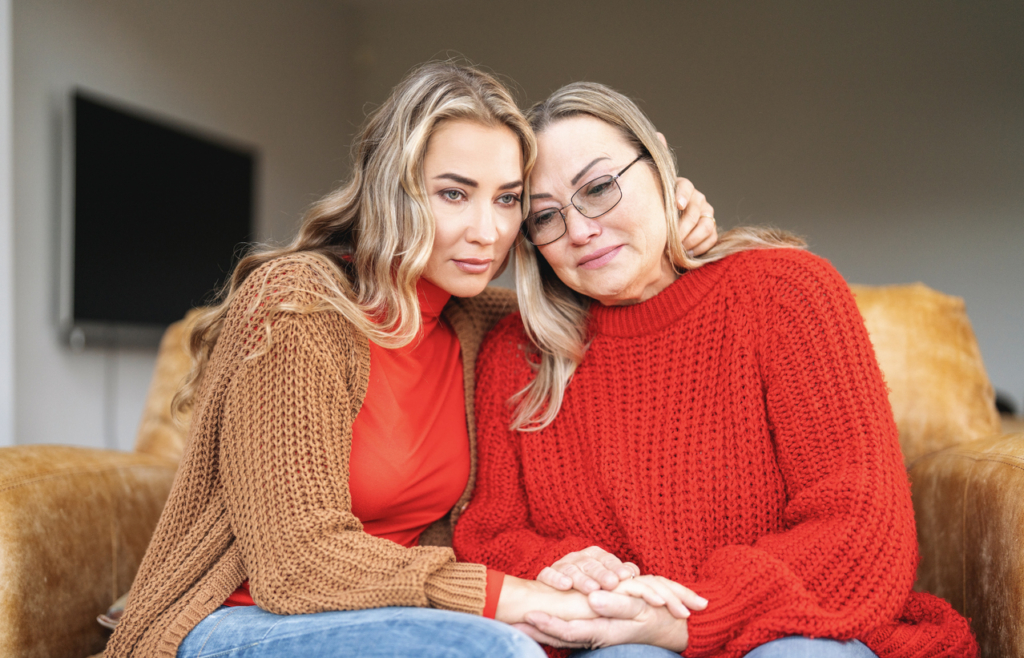
Anxiety often traces back to childhood trauma. Moms who struggle with shyness and withdrawal may have faced acute stress or trauma early in life.
Anxiety can develop as a coping tool—a way to survive emergencies. But in adulthood, it can become a pattern that blocks emotional growth and a peaceful family life.
5. Limited Belief in Change
Finally, a deep belief that things won’t change can also signal childhood wounds. Those who faced ongoing hardships as kids may find it hard to believe in positive turns in life as adults.
These moms don’t believe their situation can improve. Even if they secretly wish for change, they lack the inner drive to make it happen. It’s a sad legacy from unhealed childhood wounds.
The Path to Healing
Even if your mom was deeply hurt as a child, there’s always hope for healing. Addressing childhood trauma with the help of experts like psychologists or therapists can be a challenging but worthwhile journey.
Improving family communication and creating an open, supportive environment can help old wounds slowly heal. Honest conversations can transform childhood trauma into understanding and love.