
As the Easter holidays approach, many of us know the feeling of our wallets quickly emptying after big shopping trips. A festive table needs delicious dishes, which require ingredients. But how you shop matters—especially if you want to stick to a tight budget.
Make a Detailed Shopping List
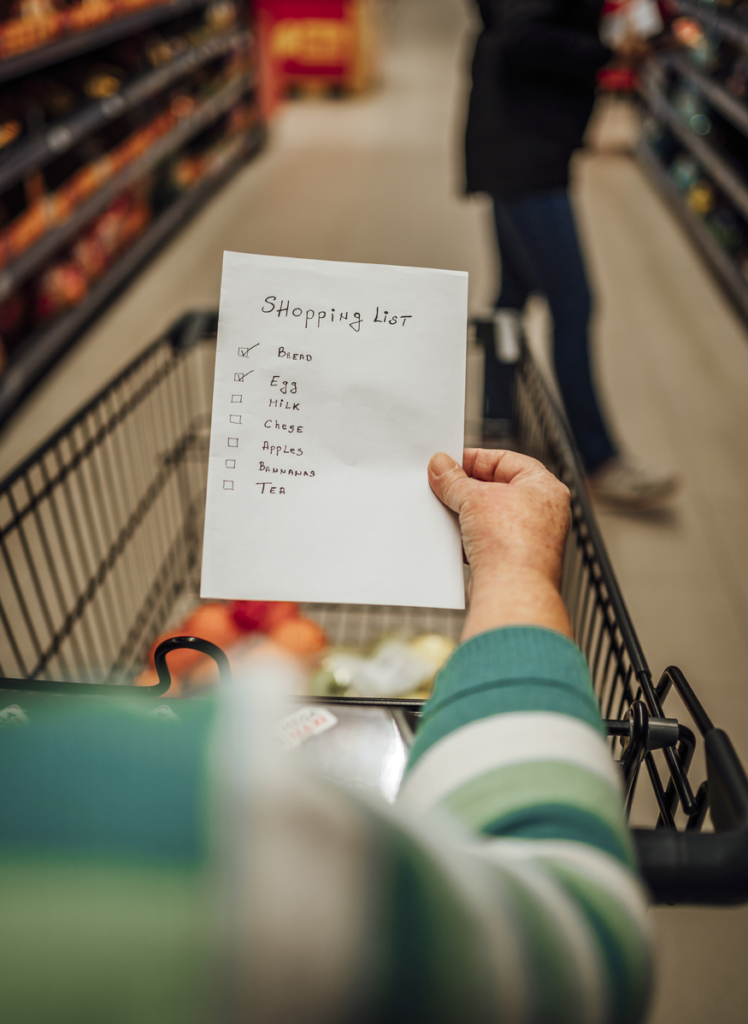
The first and most important step for Easter shopping is to make a detailed shopping list. Think about the dishes you plan to prepare for the celebration, then list the ingredients accordingly. This helps you avoid impulse buys, which often lead to unnecessary expenses.
A good shopping list includes not just the items but also the calculated quantities.
Don’t forget to check what you already have at home to avoid piling up extra supplies.
Set Your Priorities
Review your list and prioritize which ingredients are essential and which are nice to have. Easter ham, eggs, and braided bread often take center stage at holiday meals, so focus on these first.
Secondary items like sweets or drinks can be bought later during sales. This way, you can lower your overall shopping costs.
Look for Deals and Discounts
During the holidays, many stores offer special discounts and promotions. Check these out in advance and plan your shopping day to take full advantage. You can find info on store websites, newsletters, or flyers.
You might even find coupons or promo codes on social media that you can redeem at checkout, saving you a nice chunk on your Easter shopping.

Buy in Larger Quantities
For some items, it’s smart to buy in bulk, especially if you know you’ll use them later. Non-perishable foods like flour, sugar, or oil are great examples. You can often get these at excellent prices during sales.
Just be careful to buy only what you’ll actually use to avoid waste and extra spending.
Be Mindful—Saving Is Easier Than You Think
During Easter’s big shopping spree, shop consciously. Don’t get tempted by products you won’t use before the holiday. Sales can lure you into spending more, so stick to your list.
Also, try shopping where you know the quality and prices well. You can even visit local markets for fresh, often cheaper options than supermarkets. Knowing your best sources is a top advantage for smart household management.
We hope these tips help you manage your Easter shopping wisely this year, so you end the holidays with more money left in your wallet.