Signs of Memory Problems and Attention Issues
Our modern lifestyle, constant stress, and the digital world’s demands are often harder to notice than we think. If you frequently experience memory lapses or find your attention drifting, it might not just be laziness—it could signal subtle mental changes that, over time, may lead to more serious issues.
Research shows that short-term memory decline often comes with attention difficulties, making everyday tasks tougher. If you find yourself trying for the third time to remember where you left your keys or when you last met an old friend, it’s worth reflecting on what might be behind these moments.
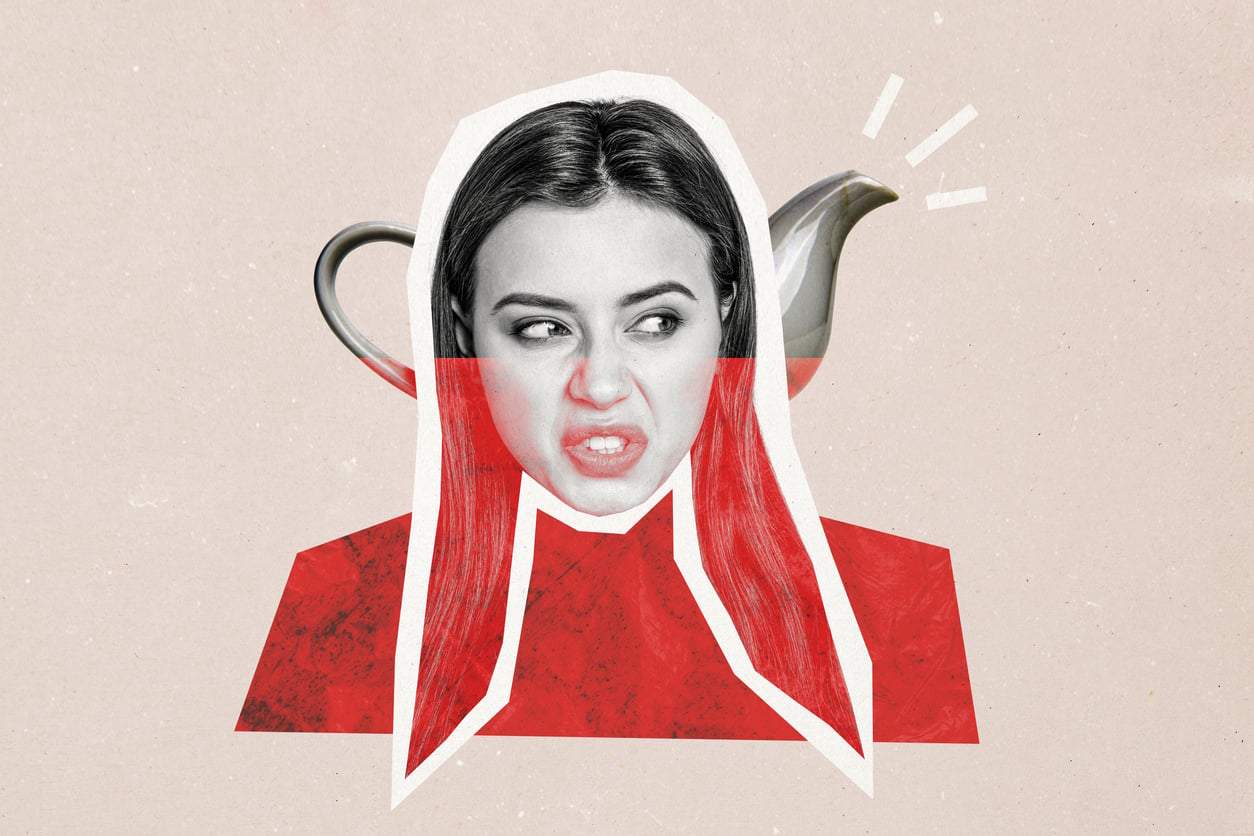
Mood Swings and Losing Emotional Control
Everyone experiences emotional ups and downs sometimes. But if your mood shifts drastically more often or you struggle to manage your emotional reactions, it might be time to seek support. Sudden mood swings can be early signs of mental health challenges.
Losing emotional control often goes hand in hand with feelings of depression or anxiety. It’s important to notice these signs and talk about them with someone you trust—whether a friend, family member, or mental health professional.
Decreasing Energy and Lack of Motivation
Feeling tired and drained regularly isn’t always about physical strain. Mental health struggles can also lower your energy. A lack of motivation to tackle daily tasks might be a sign that something’s off in your mental world.
Sleep problems, low mood, and a sense of emptiness can all point to deeper issues worth addressing early. Don’t overlook these symptoms, even if they seem minor.
Social Withdrawal and Isolation
We all enjoy some alone time now and then, but if you find yourself pulling away from social connections more often and neglecting friends or family, it could be a warning sign. Withdrawal often hides depression, anxiety, or overwhelming stress.
Social isolation can damage relationships and deepen feelings of loneliness, making mental health challenges harder to manage. Try to stay connected and reach out to those who matter to you.
Losing Interest in Favorite Activities
Losing interest in activities that once brought joy is more than just boredom. Whether it’s a hobby, a favorite sport, or a long-awaited event, this loss often signals underlying mental health issues.
These changes can be clear signs of depression, so recognizing the patterns and seeking professional help is key. Trying new things or revisiting old passions with a fresh perspective might help reignite your enthusiasm.