Urine leakage is a sensitive and often uncomfortable topic that many avoid discussing, yet it’s essential to address. Many believe it only affects older women, but that’s far from the truth. Modern studies reveal that urine leakage can happen at various points in a woman’s life. Let’s dive into what’s behind this issue and how to handle it.
Who Experiences Urine Leakage?
It’s a common misconception that urine leakage is just a natural part of aging. While it can become more frequent with age, it’s not exclusive to older women.
Young and middle-aged women can also face urine leakage for various reasons. Pregnancy and childbirth put extra strain on pelvic floor muscles. Active athletes—especially joggers, runners, and weightlifters—may also notice these uncomfortable symptoms.
What Causes Urine Leakage?
Understanding the root causes helps us manage urine leakage effectively. Most often, it’s due to weakened pelvic floor muscles, especially after pregnancy or with bladder issues.
Hormonal changes also play a big role. During menopause, dropping estrogen levels can affect urinary tract health, making leakage more common.
How Can Urine Leakage Be Managed?
Good news: there are several ways to ease urine leakage symptoms, each with varying effectiveness.
Start with regular pelvic floor exercises to strengthen the muscles involved and reduce leakage. Making Kegel exercises part of your daily routine can really help.
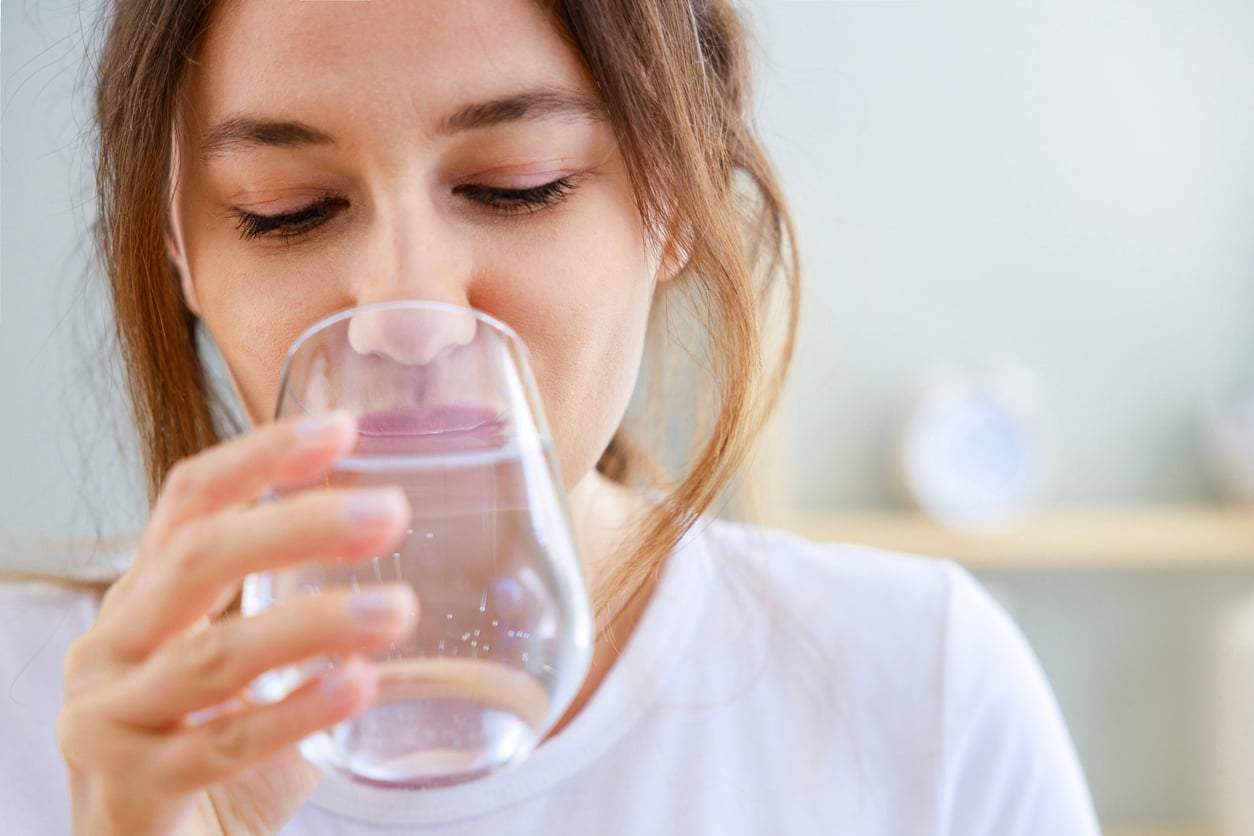
Also, review daily habits: stay well-hydrated but limit caffeine, alcohol, and fizzy drinks, as they can irritate the bladder.
Medical Options and Advice
If home remedies don’t bring relief, consulting a doctor is a smart move. They can offer personalized advice and, if needed, prescribe medications that regulate bladder function and reduce urgency.
In some cases, medical procedures like inserting a supportive sling for the bladder might be considered. Remember, anyone dealing with urine leakage is not alone. It’s nothing to be ashamed of, and many solutions are available.
Though urine leakage is a common and sensitive issue, numerous treatments can ease symptoms. Following healthcare professionals’ guidance and actively strengthening pelvic floor muscles can lead to noticeable improvements, boosting confidence and quality of life.