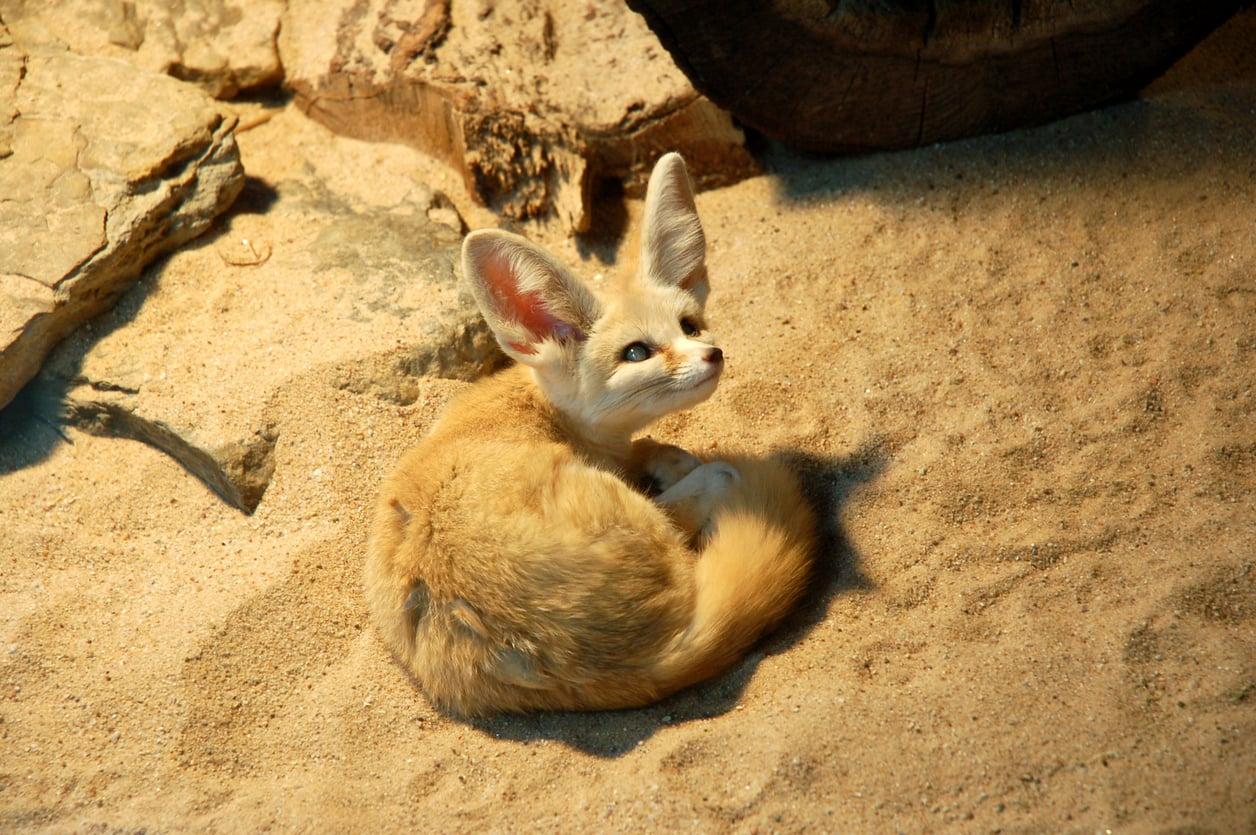
Earth’s animal kingdom features incredible species that adapt to extreme environments. These creatures show us just how limitless adaptability and evolution can be.
Some transform their internal systems, while others use biochemical tricks that even surprise seasoned scientists. Here are ten fascinating examples of these survival marvels.
Tardigrades, the "Water Bears" and Survival Champions

Tardigrades, also known as water bears, are microscopic creatures that seem nearly indestructible. They can survive temperatures near absolute zero, around –273 °C (–460 °F), and endure brief spells at 150 °C (300 °F).
When dried out, they enter a special state allowing them to survive up to 30 years without water. Their radiation resistance is astonishing—they can withstand doses 5,000 times higher than what would be lethal to humans. Their DNA is protected by a unique protein called Dsup, which has even been shown to enhance radiation resistance in human cells. Some tardigrade species have even survived 10 days in space, enduring vacuum and cosmic radiation.
Fennec Fox, the Big-Eared Desert Coolant
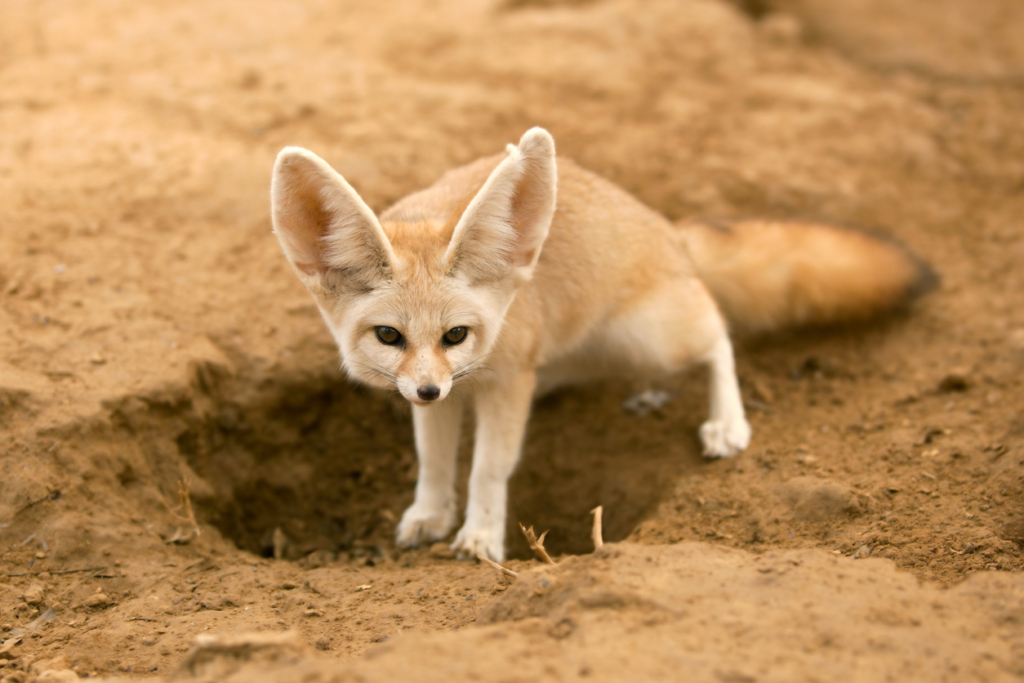
The fennec fox is famous for its huge ears, which not only enhance hearing but also help regulate body temperature. Their ears can make up to 20% of their body surface, acting as natural cooling panels in the desert heat. Their metabolism is adapted to harsh conditions, using about 25% less oxygen at rest to save energy. This helps them survive the scorching days and chilly nights of the Sahara.
Kingfisher, the Oxygen Master for Diving
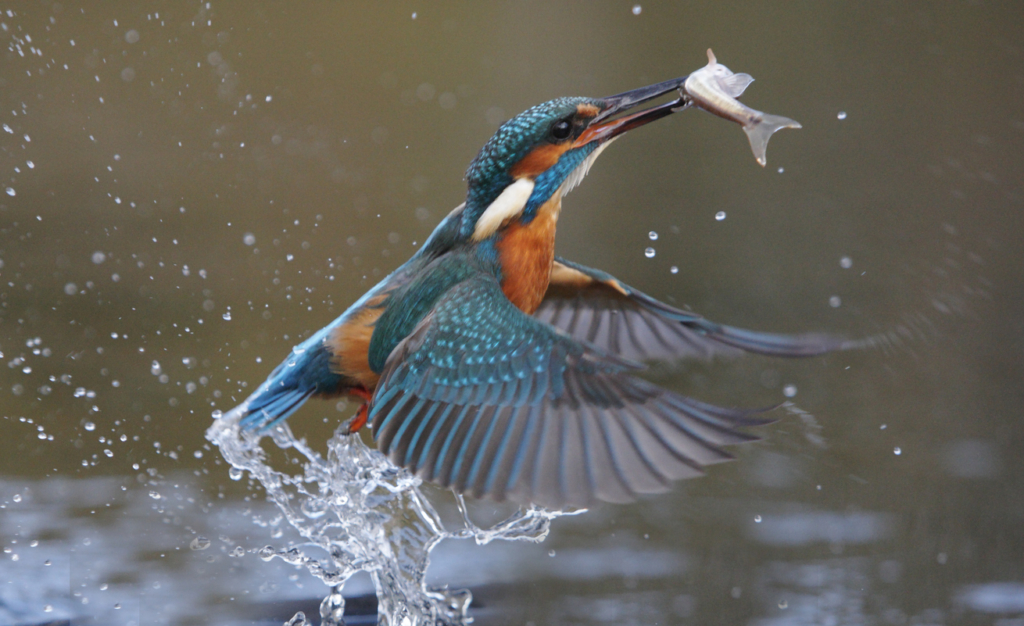
Kingfishers have an impressive hunting strategy: they can survive for minutes with very low oxygen while diving in icy waters searching for prey. Their red blood cells contain a special hemoglobin that binds and stores oxygen far more efficiently than other birds. This biological trick lets them hunt energy-efficiently during long dives.
Polar Bears, the Arctic’s Swimming Giants
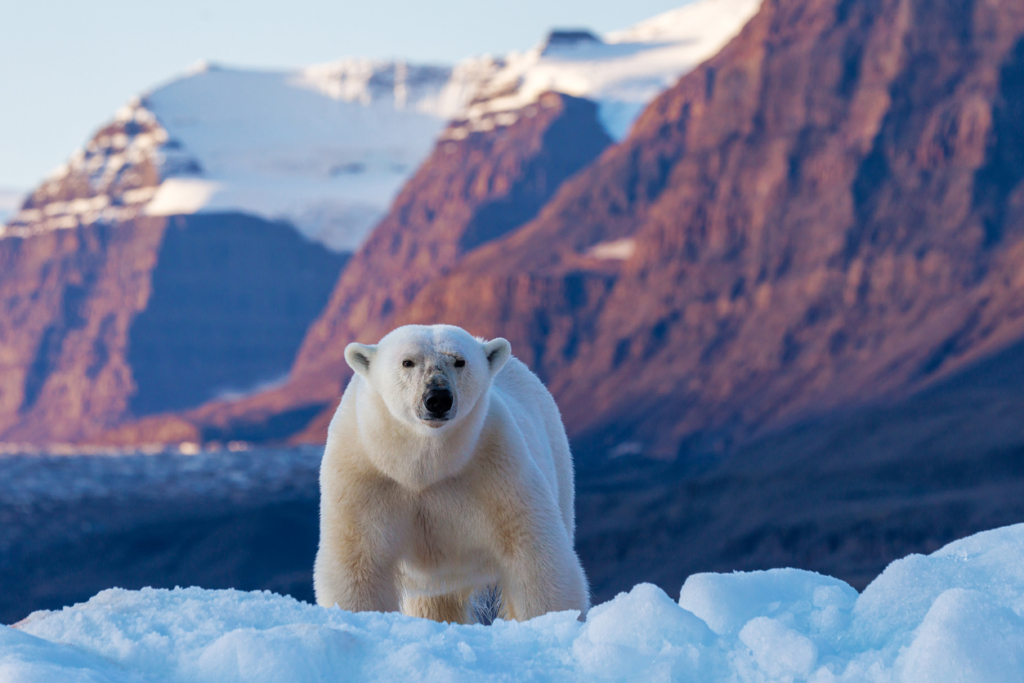
Polar bears reign over the Arctic and impress both on land and in water. Some have been observed swimming nonstop for over three days, covering an average of 154 kilometers (96 miles) between ice floes. The longest recorded swim lasted 9 days and spanned 687 kilometers (427 miles)—about the distance from Washington to Boston. They can also dive 13–14 meters (43–46 feet) deep, proving they’re more than just surface swimmers.
Chameleons, Masters of Color
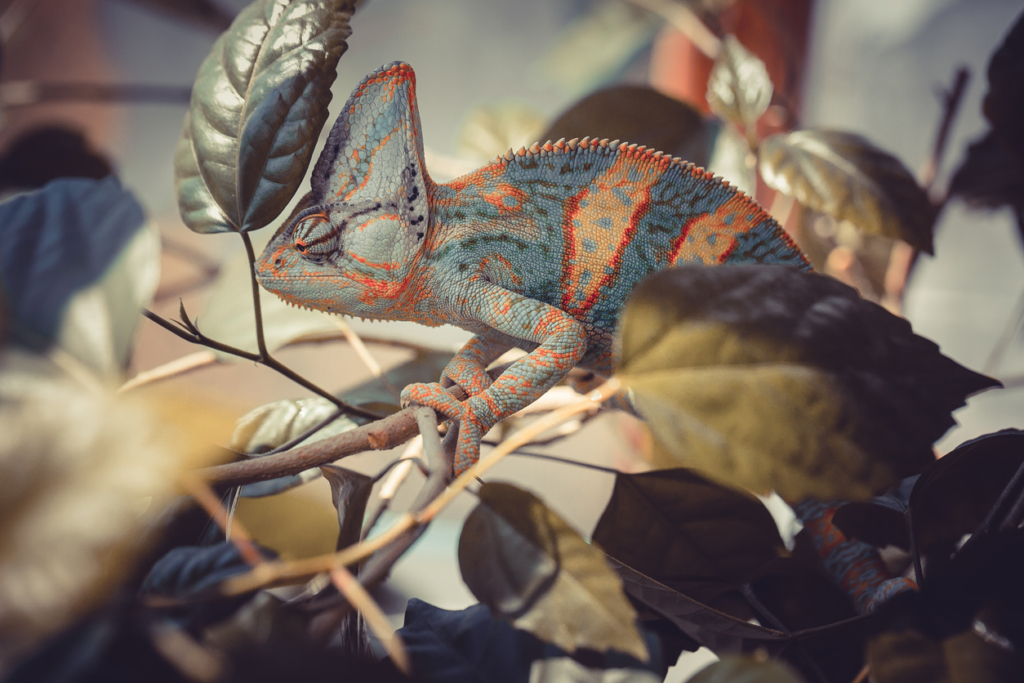
Chameleons are famous worldwide for their color-changing skills, which help them hide from predators and regulate body temperature. When overheated, they lighten their color to reflect sunlight; in cooler weather, they darken to retain heat. Their tongues strike lightning-fast, reaching twice their body length in a fraction of a second to catch prey.
Sleeping Sharks, Masters of Oxygen Conservation
Certain shark species can hover motionless for long periods without actively swimming to breathe. Their metabolism slows down so much that they maintain vital functions with minimal oxygen intake. This strategy helps them survive in deep-sea zones where oxygen is scarce and other animals wouldn’t last.
Desert Scorpion, the Water-Saving Predator
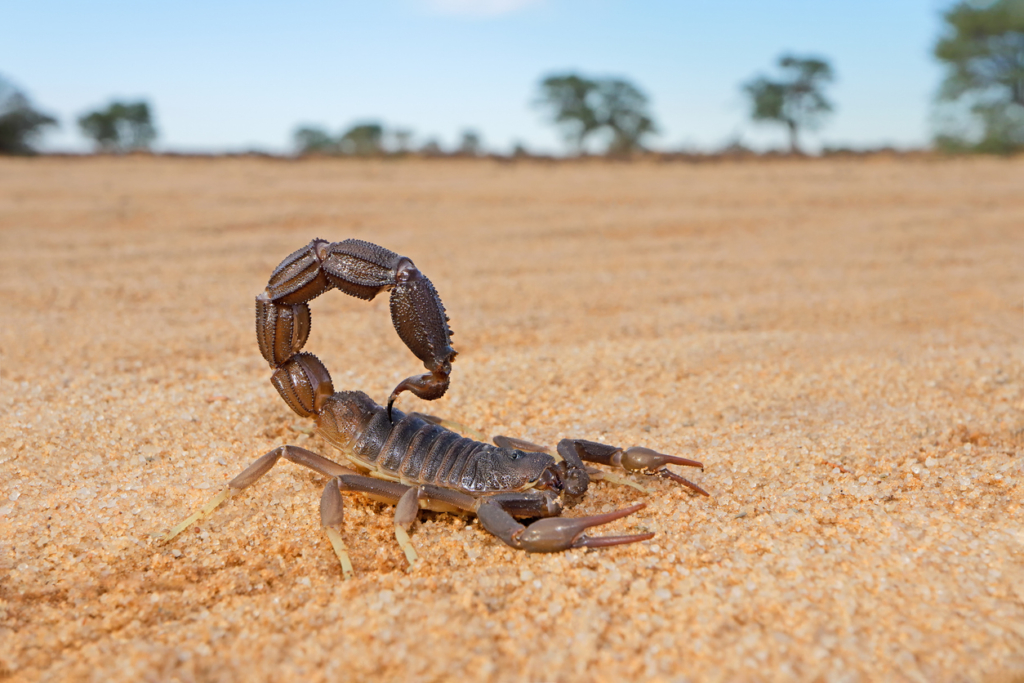
The desert scorpion flexibly regulates its body temperature and metabolism to survive the daytime heat. It gets almost all its water from food and conserves moisture so efficiently that it loses almost none. Hunting at night when temperatures drop also saves energy. This lifestyle lets it survive for months without food.
Antarctic Skate, with Antifreeze Blood
Skates and fish living in Antarctica’s icy waters have special blood proteins that prevent ice crystals from forming inside their bodies. This natural antifreeze lets them stay active and hunt even below freezing temperatures. It’s a stunning example of how nature supports life in the harshest environments.
Kangaroo Rat, the Animal That Never Drinks Water
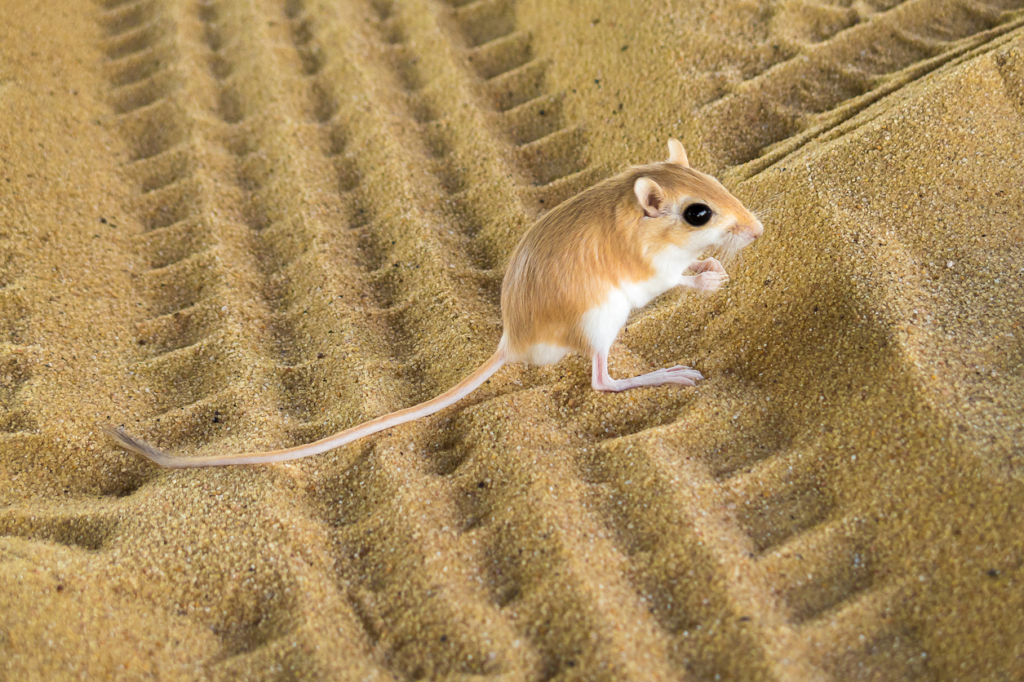
The Merriam’s kangaroo rat is one of the desert’s most remarkable survivors: it never drinks water. It extracts all needed moisture from the seeds it eats and converts it metabolically into water. Its kidneys are so efficient that its urine is almost crystal-like, losing almost no body fluids. This allows it to function for weeks without water—a rare feat among land mammals.
Pompeii Worm, Living in the Deep Heat
Pompeii worms thrive near deep-sea hydrothermal vents, one of Earth’s hottest habitats. Their rear ends can survive in 60–80 °C (140–176 °F) water, while their heads stay in cooler, around 20 °C (68 °F) zones. A thick bacterial layer on their backs not only protects them from heat but also provides nutrients. This unique symbiosis lets them live where survival seems impossible for other animals.