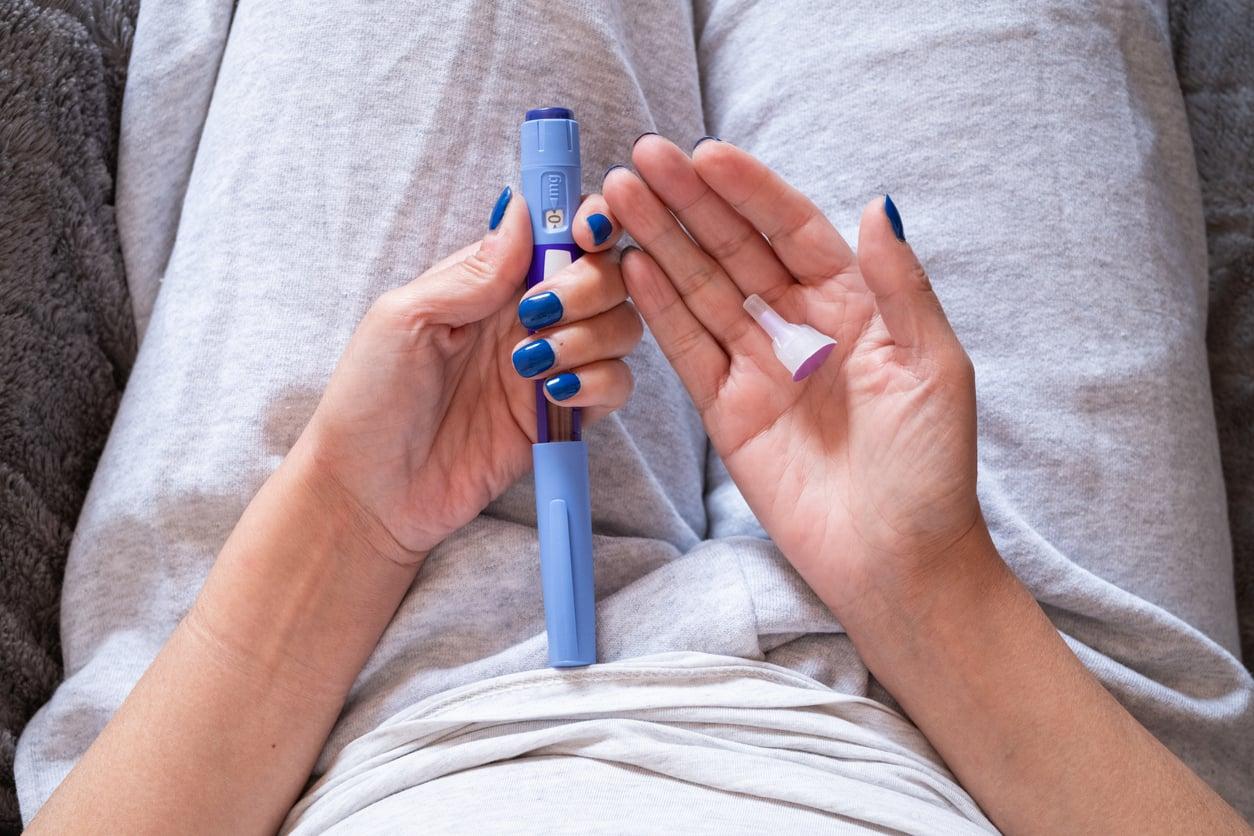
When you get a typical medication, it usually comes with clear instructions: when to take it, what to avoid, and what to watch out for. Life goes on, and you feel pretty safe. But with GLP-1 weight loss drugs like Ozempic, Mounjaro, Saxenda, and others, many people experience the start very differently — almost like they’re left to figure it out on their own.
Even if your doctor prescribes the medication, many realize later they didn’t know the right questions to ask. This can lead to mistakes that worsen side effects, slow down weight loss, or even harm your health over time. Let’s explore the common traps to avoid.
When "Eating Less" Doesn’t Mean "Eating Well"
With GLP-1, it’s possible to lose weight even if you mostly eat pizza and pastries. But your body won’t thank you for it. Since your appetite can drop significantly, every bite counts more: you eat less, but those bites need to be nutrient-rich.
Protein intake is especially important because weight loss can mean losing muscle as well as fat. If you don’t eat enough or focus on quality, you risk losing too much muscle — which is tough to rebuild later. Vegetables, fruits, fiber, and lean proteins aren’t just healthy extras here; they’re essentials.

On the flip side, high-fat foods often worsen how people feel. GLP-1 slows digestion, and fatty foods naturally take longer to process — no wonder they can trigger nausea or stomach pain. Healthy fats like olive oil and avocado are fine, but fried or greasy dishes often just upset your stomach.
The Workout You Shouldn’t Skip
Many think that once they’re losing weight, exercise is less important. But weight training plays a key role with GLP-1. The goal isn’t to avoid muscle loss entirely but to preserve as much as possible — and strength training is unbeatable for that.

Muscle isn’t just about looks: it shapes your energy, mobility, bone density, and how strong you feel day to day. Aerobic exercise, stretching, and mobility work are also important — your body wants to lose weight and function well.
When You Quietly Endure Side Effects
Nausea, vomiting, constipation, stomach pain — many accept these as just part of taking the medication. But they don’t have to be. Feeling unwell all the time is a serious signal. The dose might be too high, or this medication might not be the best fit for you.

You can greatly improve how you feel with small changes: smaller portions, cutting back on fatty foods, avoiding alcohol and fizzy drinks. But you can only do this if you talk about it. Staying silent means your doctor won’t know what’s best.
The Trap of Increasing Your Dose Too Quickly
There are official dosing guidelines, but they’re not set in stone. Some respond well even to low doses and don’t need quick increases. Raising your dose too fast can worsen side effects and make your appetite disappear entirely — which can lead to malnutrition, fatigue, and nutrient deficiencies over time.
Hunger isn’t the enemy.
The goal isn’t to never want to eat, but to have better control over your appetite. That means keeping your doctor updated on how you feel, what you eat, and how you manage day to day.
When You See GLP-1 as a Short-Term Fix
Many start hoping to reach their goal weight, stop the medication, and keep things as they are. But these drugs are designed for the long haul. They don’t erase the genetic, hormonal, and biological factors that affect weight — they help you manage them.
That’s why weight often creeps back after stopping the medication. It’s not willpower; it’s biology. If you want to stop treatment, do it mindfully, gradually, with medical support, and watch how your body responds.

Using GLP-1 medications can make it easy to think you’re doing everything right — while small mistakes quietly undermine your results or well-being. That’s why working with a specialist who truly understands obesity treatment, not just writing a prescription, is so important. The good news? When done right, these medications don’t take over your life; they make it easier. It’s about support, not struggle — inside and out.