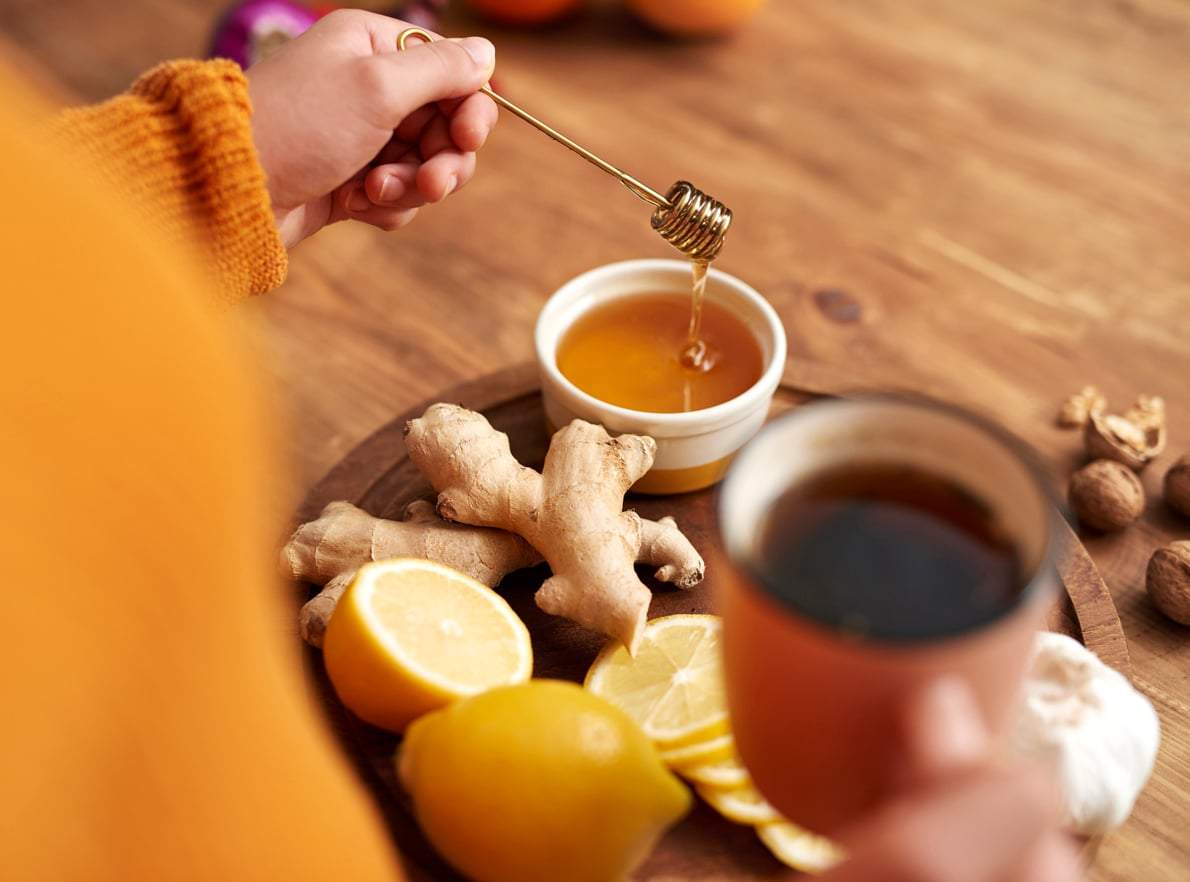
In recent years, COVID has dominated conversations so much that we’ve often forgotten about the "classic" illnesses: the common cold and the flu. Yet they’re still very much around – and the flu doesn’t just knock you down for a few days; it can cause complications and, in extreme cases, be life-threatening.
The good news? Since COVID, we think more consciously about infectious diseases. Research has sped up, with better vaccines, faster tests, and new solutions on the horizon. Until then, tried-and-true methods remain – along with some common mistakes to avoid. Here are 7 typical errors many make during a cold or flu, according to infectious disease experts – and what you should do instead.
1. “Oh, the flu isn’t a big deal”
One of the biggest mistakes is that many underestimate the flu. It’s not just a simple cold: it can be a serious illness, and symptoms can linger for weeks. Yes, "long flu" is a thing: lasting fatigue, brain fog, muscle aches.
Less known fact: after the flu, the risk of heart attack and stroke increases.
What to do instead? Get your info from reliable sources and take symptoms seriously. The flu is no joke.

2. “Why bother with the vaccine?”
Many think the flu shot completely prevents the illness – but that’s not its main purpose. The vaccine lowers your chances of getting sick, and if you do catch it, the symptoms are usually much milder. Studies show flu, COVID, and RSV vaccines are safe and effective, especially in preventing serious complications.
What to do instead? Ideally, get vaccinated around November–December. If unsure, talk it over with your doctor – asking is always okay.

3. “I’ll tough it out and keep working”
Sound familiar? Your throat itches, your nose runs, but you shrug it off: "It’s probably just allergies." Actually, this is when rest matters most. If you don’t pause, you risk harming yourself and infecting others.
What to do instead? Stay home if you can. If you must work, skip extra activities. Being sick isn’t a reason to be a hero.

4. Overdoing vitamin C
Vitamin C can help shorten a cold, but more isn’t always better. High doses may cause diarrhea and stomach upset.
What to do instead? Get vitamin C naturally from oranges, broccoli, cabbage, and if you take supplements, keep it under 2000 mg daily.
5. Overlooking interactions between home remedies and medications
Ginger tea, garlic, echinacea, elderberry – generally harmless, but they can interact with certain meds (like blood thinners).
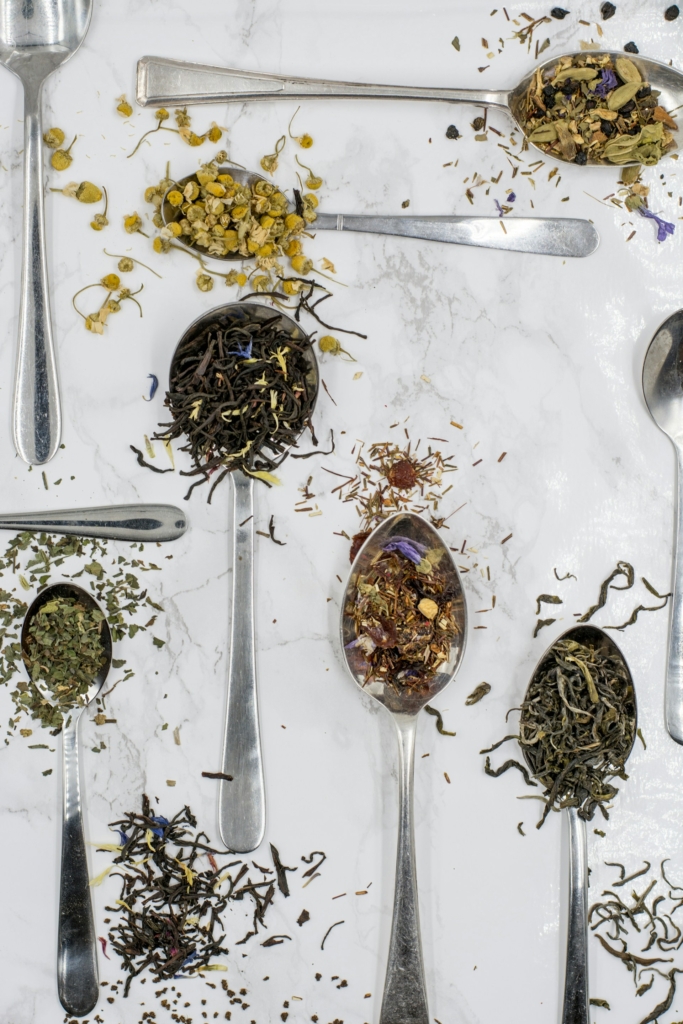
What to do instead? If you take medication regularly, check or ask before mixing remedies.
6. Rolling your eyes at handwashing
Yes, it’s a boring tip. Yes, it still works. During COVID, flu cases dropped dramatically – for good reason. Masks, handwashing, social distancing: these really matter.
What to do instead? Wash your hands thoroughly (20 seconds!), avoid touching your face, consider a mask in crowded places – and get enough sleep, eat well, and move. Your immune system will thank you.

7. Skipping the doctor even if you’re in a risk group
If you’re older, have chronic conditions (like asthma or diabetes), smoke, or have a weakened immune system, the flu may require more serious care. Antiviral meds exist but work best when started early.

What to do instead? Call your doctor as soon as symptoms appear. Don’t rely only on teas and vitamins.