Ripples in Space-Time from the Edge of the Galaxy
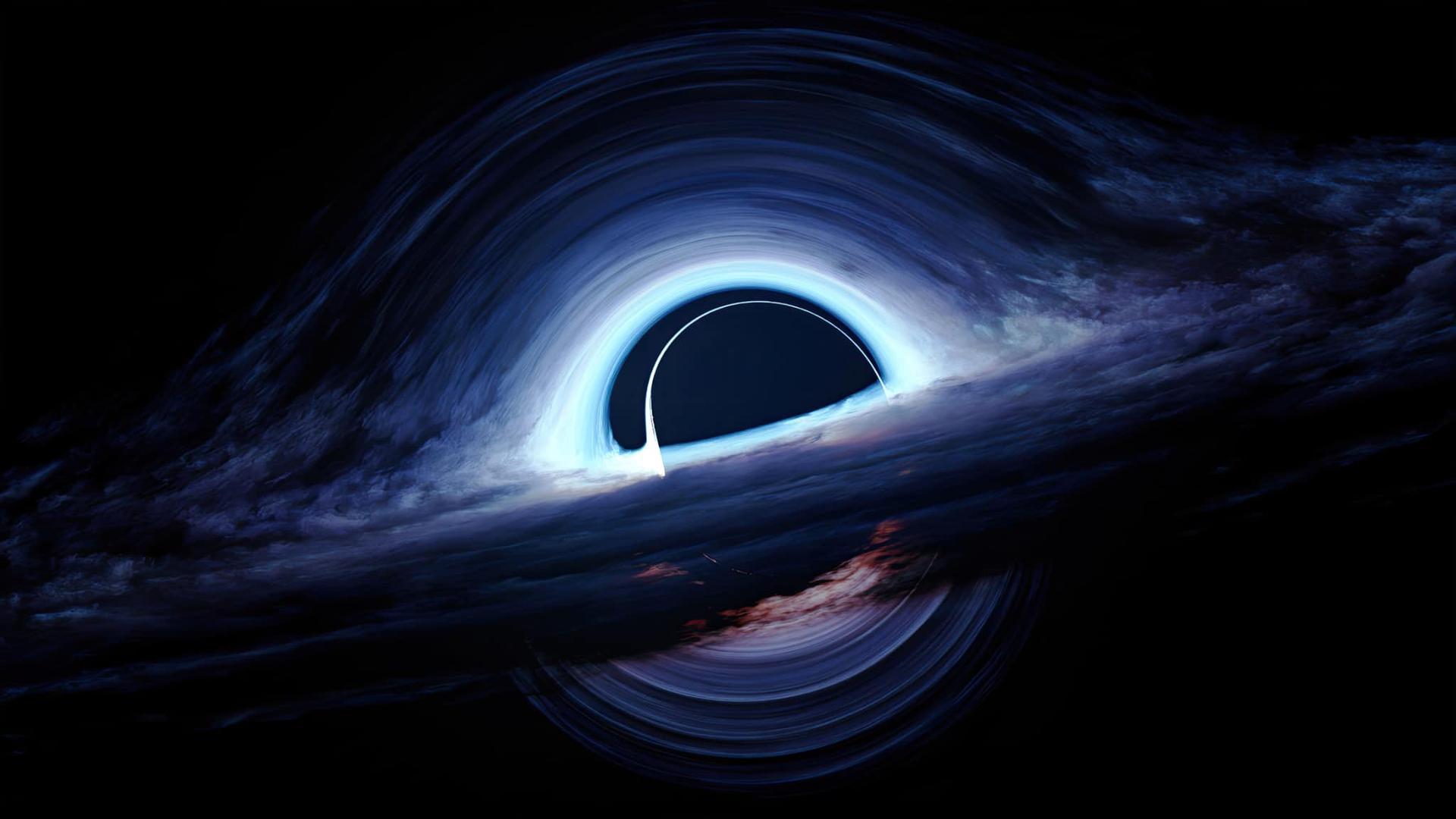
Scientists detected gravitational waves—ripples in space-time—originating from a cosmic collision where two black holes spiraled into each other far beyond the Milky Way’s borders.
Each black hole was over 100 times the mass of our Sun, and their merger created a new, even more massive black hole about 10 billion light-years from Earth. This event not only sets a new record but also raises fresh questions about how such colossal objects form.
“These are the most violent events we can observe in the universe, yet by the time their signals reach Earth, they are the faintest phenomena we can measure. By the time these ripples get to us, they’re almost imperceptibly small.”
A Miracle Lasting a Tenth of a Second
The decisive moment came around 13:55 on November 23, 2023, British time. Two American LIGO observatories—one in Washington state, the other in Louisiana—simultaneously detected a subtle, barely noticeable space-time ripple lasting just a tenth of a second. This was the so-called “ringdown phase,” when the newly formed black hole literally "rang" before settling into stability.
Detailed analysis revealed astonishing results: the colliding black holes weighed 103 and 137 solar masses and spun at an incredible speed—about 400,000 times faster than Earth’s rotation—close to the maximum allowed by physics.
“These are the heaviest black holes ever precisely measured through gravitational waves, and they’re unusual because they fall into a mass range where—due to various strange physical effects—we wouldn’t expect black holes to form.”
New Black Holes—From Old Mergers?
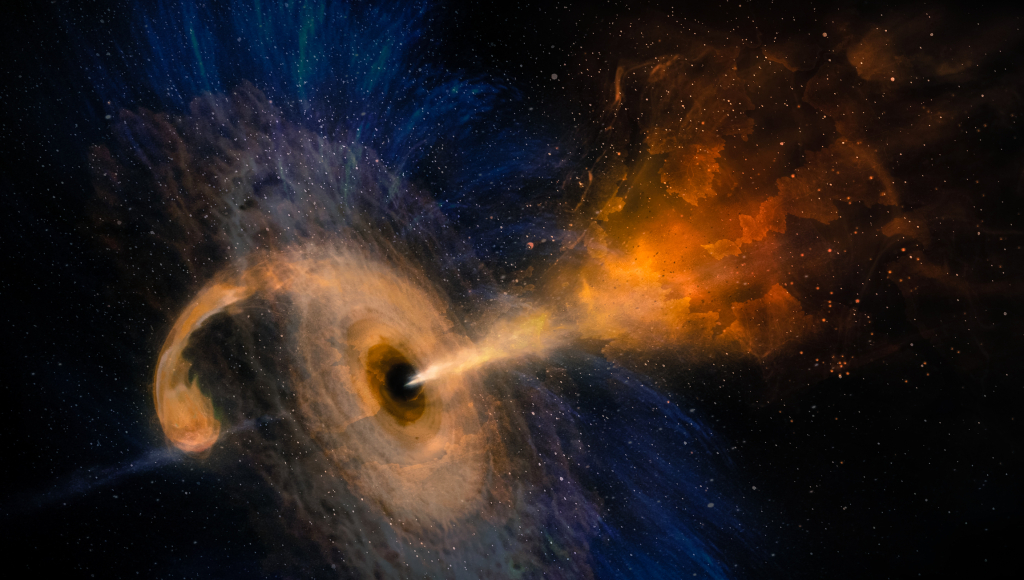
Most black holes form when a star runs out of fuel and collapses under its own gravity. The space-time around it bends so much that not even light can escape—this is the event horizon.
However, LIGO researchers suspect these black holes may have formed from earlier mergers. This could explain their size and rapid spin, as mergers naturally “spin up” the resulting object.
“We’ve seen hints of this before, but this is the most extreme example where it likely really happened,” adds Hannam.
Surpassing Every Cosmic Encounter So Far
Scientists have detected about 300 black hole mergers through gravitational waves. The previous record holder was a black hole around 140 solar masses; now, an object possibly 265 times the mass of the Sun has been born. The scientific community will present the details on July 22 at the GR-Amaldi conference in Glasgow.
Gravitational Waves Open a New Window on the Universe
Before the discovery of gravitational waves, astronomers studied the cosmos only through electromagnetic radiation—like visible light, infrared, and radio waves. Now, events once hidden are becoming “visible.”
“In science, when you look at the universe from a new angle, you discover completely new things, and your whole worldview changes. With the new detectors planned over the next 10–15 years, we’ll see every black hole merger in the universe—and maybe even surprises we can’t yet imagine.”