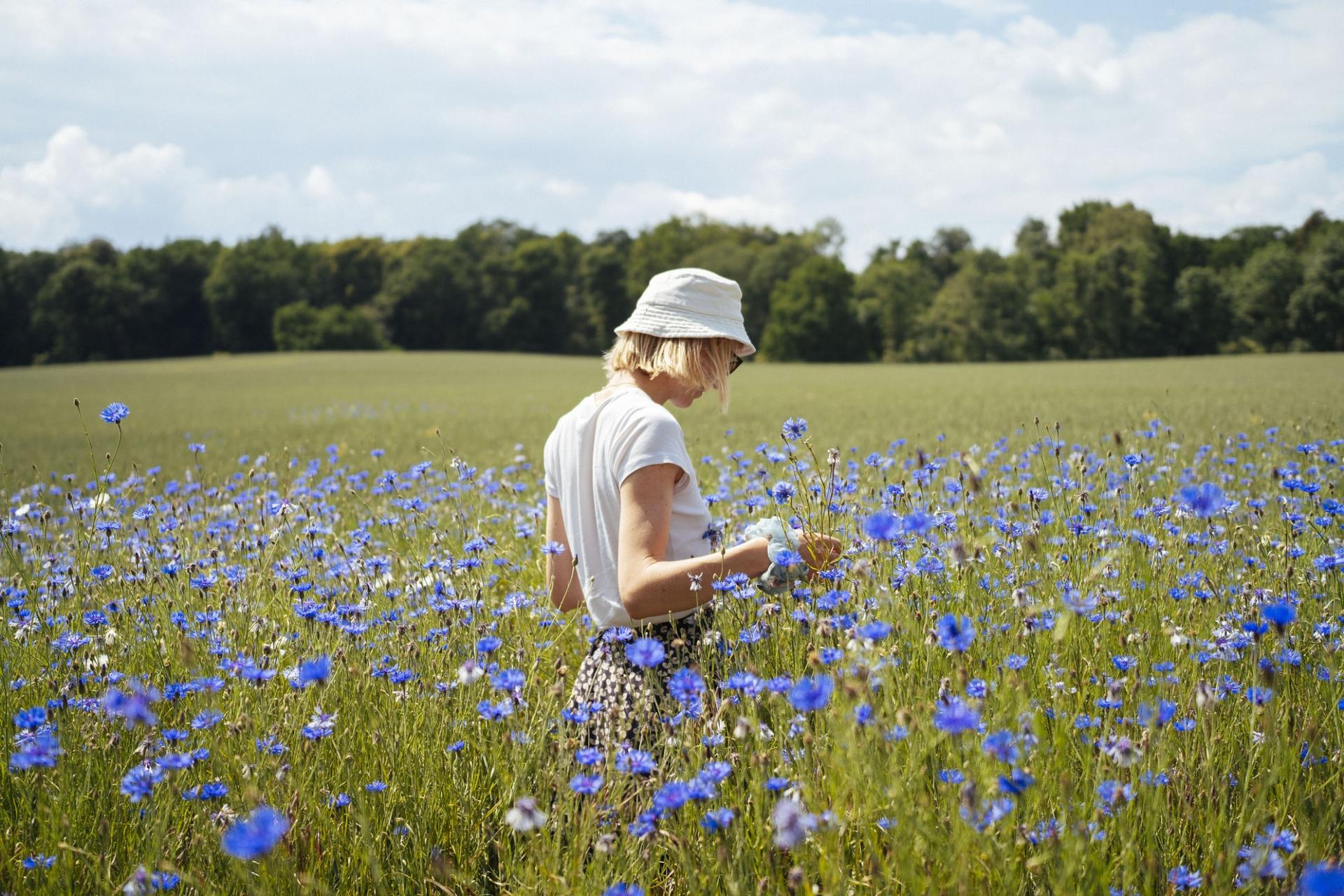
Imagine stepping out of your workplace door at the end of a tiring day, and immediately feeling the fresh air almost permeate your body and soul. This simple yet profound experience not only provides momentary refreshment but can also help maintain our mental health in the long run.
The Psychological Benefits of Being Close to Nature
You have probably felt how pleasant a walk in the forest is, or when you sit by a lake and just watch the water’s reflection. This is no coincidence: nature truly has a proven calming effect on our soul – and this is supported not only by our intuitions but also by science.
A large-scale study conducted by the British University of Exeter involving more than 20,000 people showed that spending at least 120 minutes per week in nature significantly improves people’s mental well-being and life satisfaction.
You didn’t have to hike or do sports for this – even a walk in the park or an afternoon in the garden had a positive effect on the participants.
The Japanese "shinrin-yoku", or forest bathing, is also becoming increasingly popular worldwide. This method suggests walking slowly, paying attention to the sounds, colors, and scents of nature. According to a 2010 study, forest bathing reduces cortisol levels, the stress hormone, and helps ease anxiety.
You don’t need to travel hours for a forest: a short walk in a nearby park, a few minutes sitting under a tree, or even taking care of plants on the balcony can help you feel better in your skin. For example, a Dutch study found that just 30 minutes of gardening significantly reduces stress levels and even relaxes more than the same amount of time spent reading.
Nature not only calms us but also helps us connect better with ourselves. When we break out of the rush of everyday life and return to nature’s rhythm, our emotional world also clears up – as many people experience after a longer hike.
An Experience Both Alone and in Company
Nature walks don’t require special preparations or equipment. You only need comfortable clothing and your curiosity. Walking with company, with friends, enhances the positive experiences even more, as a good conversation close to nature can be almost therapeutic.
For those who seek solitary moments, the silence and beauty of nature offer opportunities for self-reflection and deeper thoughts. All it takes is the ability to quiet down, free yourself from the noise of everyday life, and appreciate the simple beauty of nature.

Fresh Air for Everyone: How to Achieve It?
For those who work indoors, it is especially important to get outside daily and spend time in fresh air. In offices, where artificial light and air conditioning often dominate the environment, people tend to forget the beneficial effects of natural light and fresh air. It would be particularly important to spend at least half an hour a day moving outdoors.
If you don’t have direct access to green spaces, try to be creative! Even in an urban environment, you can discover small green islands, such as street trees, flower gardens, or open terraces. All of these can contribute to improving our overall well-being.
Mental Health Improvement Through Nature Therapy
Many use nature as a therapeutic tool to treat mental health issues. Research in ecological psychology shows that proximity to nature improves various aspects of mental health, including emotional stability, attention, and cognitive functions.
For example, activities performed in natural environments, such as gardening or hiking, offer numerous mental and emotional benefits. These activities not only provide physical exercise but also opportunities for meditation and independent thinking.
Overall, spending time close to nature is not just relaxation but an investment in maintaining our mental and physical health. Whether through walking or sports activities, nature’s effect is undeniably positive. The most important thing is to regularly dedicate time to it and enjoy nature’s healing power every day.