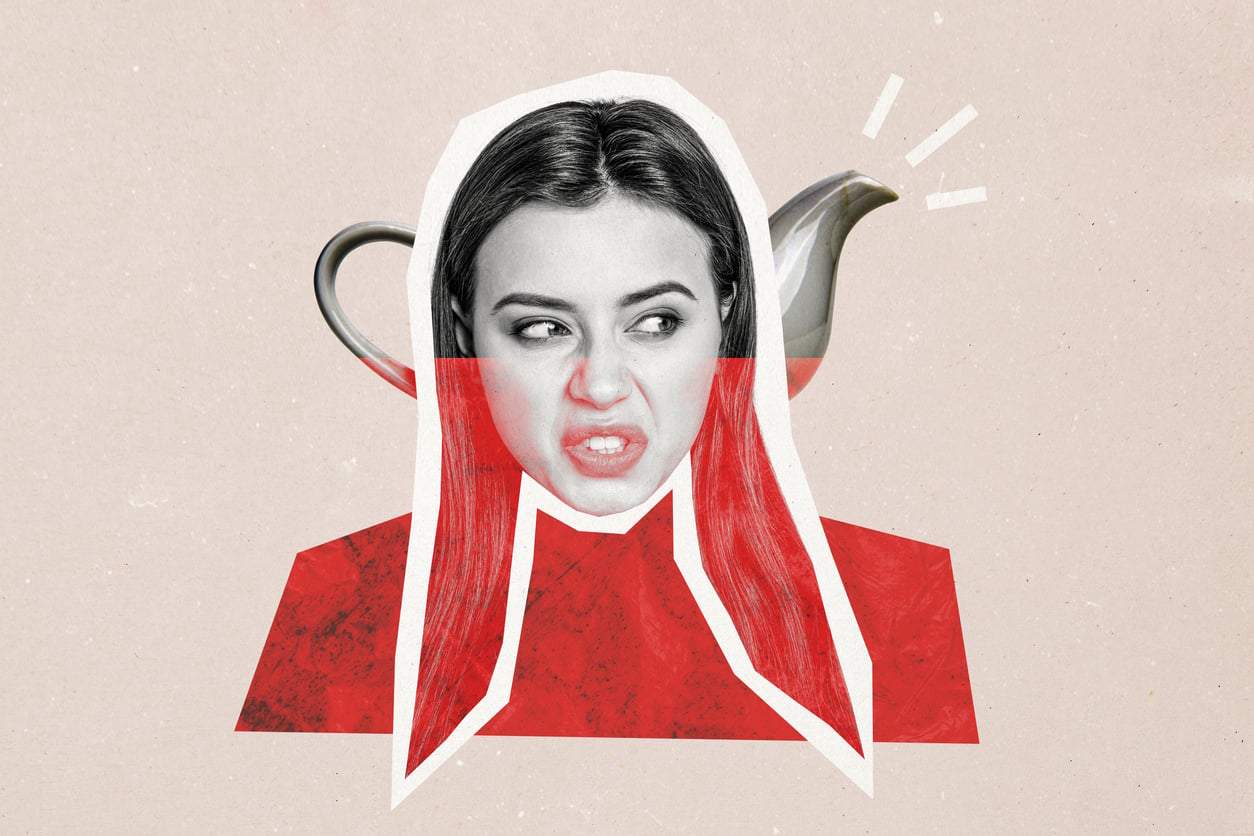
I find it really unhealthy when workplace culture doesn’t even fully allow for physical illness. When someone falls ill, they apologize: “I’m really sorry for being out”, then add at the end of their email, “but you can reach me by phone if needed.”
It’s like our bodies breaking down is just an inconvenient rudeness toward the employer.
But when we’re sick, we’re just sick. Period.
At those times, our job is to listen to ourselves, focus on healing, rest, and let our bodies regain balance. And if a company can’t handle us being out for three days, the problem isn’t us—it’s the system.
The root issue runs deeper. Corporate culture has pushed us over years into believing it’s our duty to perform even at the expense of our health. That “a good employee” answers emails even when running a fever, in pain, or unable to get off the couch. We’ve gradually shifted our boundaries, making it normal to overwork ourselves for profit, proudly saying: “I never take sick leave.” As if sacrificing ourselves was some kind of professional badge of honor.
If we struggle so much to allow ourselves physical illness, what do we expect when it comes to mental health? Where symptoms often aren’t visible, no fever, cast, or cough to prove our absence is "legitimate."

Mental Health and the Workplace Connection
How many workplaces truly allow someone to say they’re overwhelmed and need a few days to recover? How many bosses would listen with understanding, without judgment? And how many doctors would take seriously if you said: “I’m mentally overloaded” or “I’m sensory overloaded—I can’t handle the noise, stimuli, stress anymore”?
At most places, these words get confused looks or the familiar advice: “Try to rest over the weekend.” As if the other days don’t count. As if the pressure we carry daily simply evaporates in two days.

But our body and mind don’t work separately. Physical illnesses often stem from years of neglecting our mental burdens. We let stress build up, repeatedly pushed past our limits. We drained ourselves, thinking we’d just “somehow” manage. Then one day, the stomach aches begin.
High blood pressure. Panic attacks. Dizziness. Trembling. Nervous system symptoms screaming: it was too much.
Is that when sick leave becomes acceptable? When it’s finally a valid reason to stop working?
Wouldn’t it be so much simpler, kinder—and even more cost-effective!—to take our mental health seriously from the first signs? To not wait until our body forces what our mind has long signaled? If society, workplaces, leaders, and doctors understood that mental health is just as important as physical health. And both are enough reason to rest.
Sick leave isn’t a reward, a privilege, or a shame—it’s a basic need. Mental health isn’t a luxury; it’s the foundation of our quality of life, work ability, and human dignity. And if a workplace doesn’t get that, it’s not a sign of our weakness—it’s a sign the system is broken.