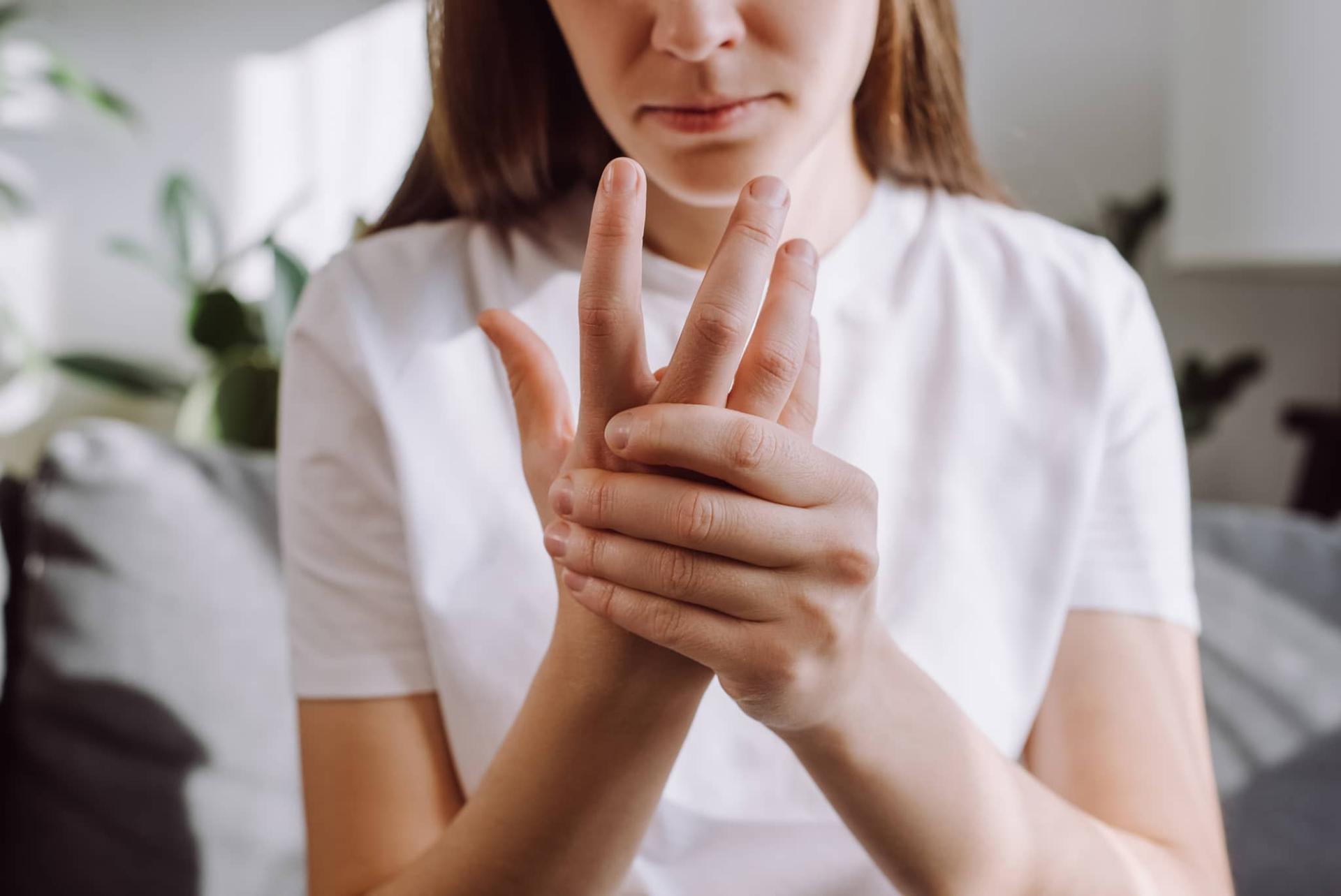
Many people shrug off tendonitis, saying, “it’s no big deal, it will pass.” But ignoring it can quickly turn those symptoms into sharp, persistent pain, even if it doesn’t seem serious at first. No matter your age, these symptoms can show up anytime. During the holiday season, many women often experience wrist and hand pain.
Tendonitis is usually triggered by repetitive, one-sided movements. It can affect anyone who spends a lot of time on the phone, computer, or playing an instrument.
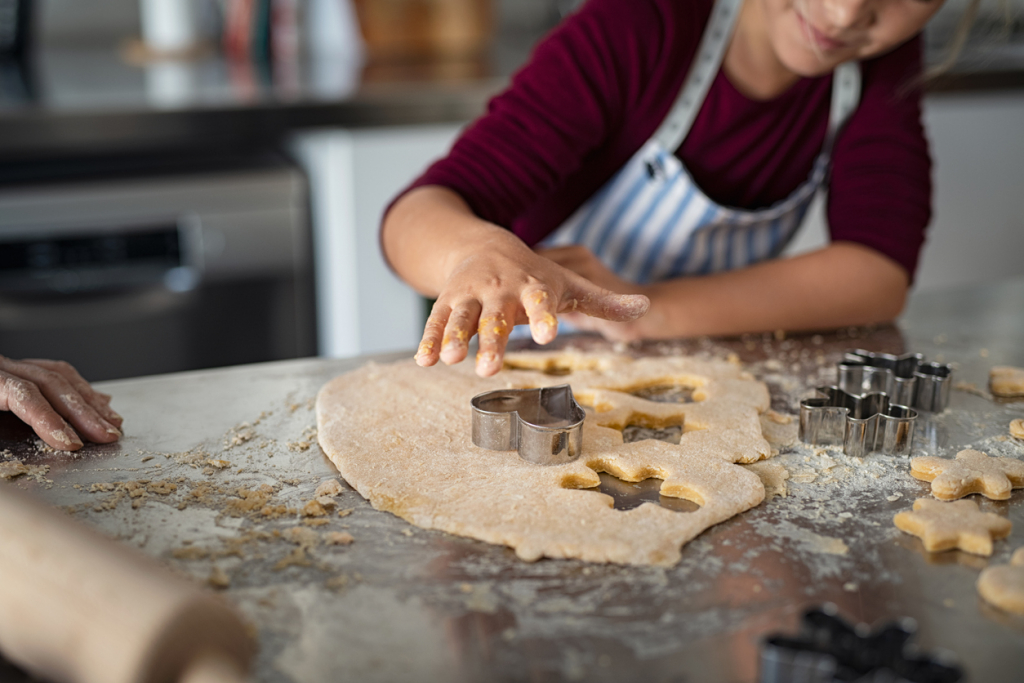
But at Christmas, when you’re washing windows, scrubbing floors, and cooking for hours, you’re really straining your hands. If this goes on for days without breaks, you’re very likely to develop tendonitis!
Some people only suffer from it once or twice in their life, but others are more prone to it (it’s even more common among people with diabetes, though doctors aren’t sure why). Overuse can lead to acute inflammation, which, if untreated for months, can turn into chronic inflammation. So, let’s look at the key symptoms!
Signs of Tendonitis
At first, you might feel a sudden, sharp pain in your wrist or hand when moving your arm certain ways. This can be followed by a mild swelling that quickly becomes tender. In more severe cases, you might develop a fever, and the skin over the inflamed area can feel hot. Eventually, the pain may be present even when your hand is still, and small finger movements might cause discomfort.
The good news? Tendonitis is easy to treat if you take symptoms seriously and start healing early. Applying a cold compress to the sore area and resting your hand are key. Keep in mind, recovery isn’t overnight; sometimes you need to handle your hands gently for weeks.
If the pain is severe and doesn’t improve within a day or two, it’s wise to see a doctor, as this indicates stronger inflammation.
In such cases, your hand may be wrapped for support, and you might be prescribed anti-inflammatory medication. Healing takes time, so following medical advice closely is crucial to a full recovery. Even if you start feeling better, don’t stop treatment early—you risk the inflammation coming back!
Going forward, try to avoid long periods of strenuous, repetitive hand movements—even during holiday prep. Take frequent breaks, whether you’re cleaning or typing, to give your hands time to recover. This way, you can prevent tendonitis from developing and avoid forced downtime!