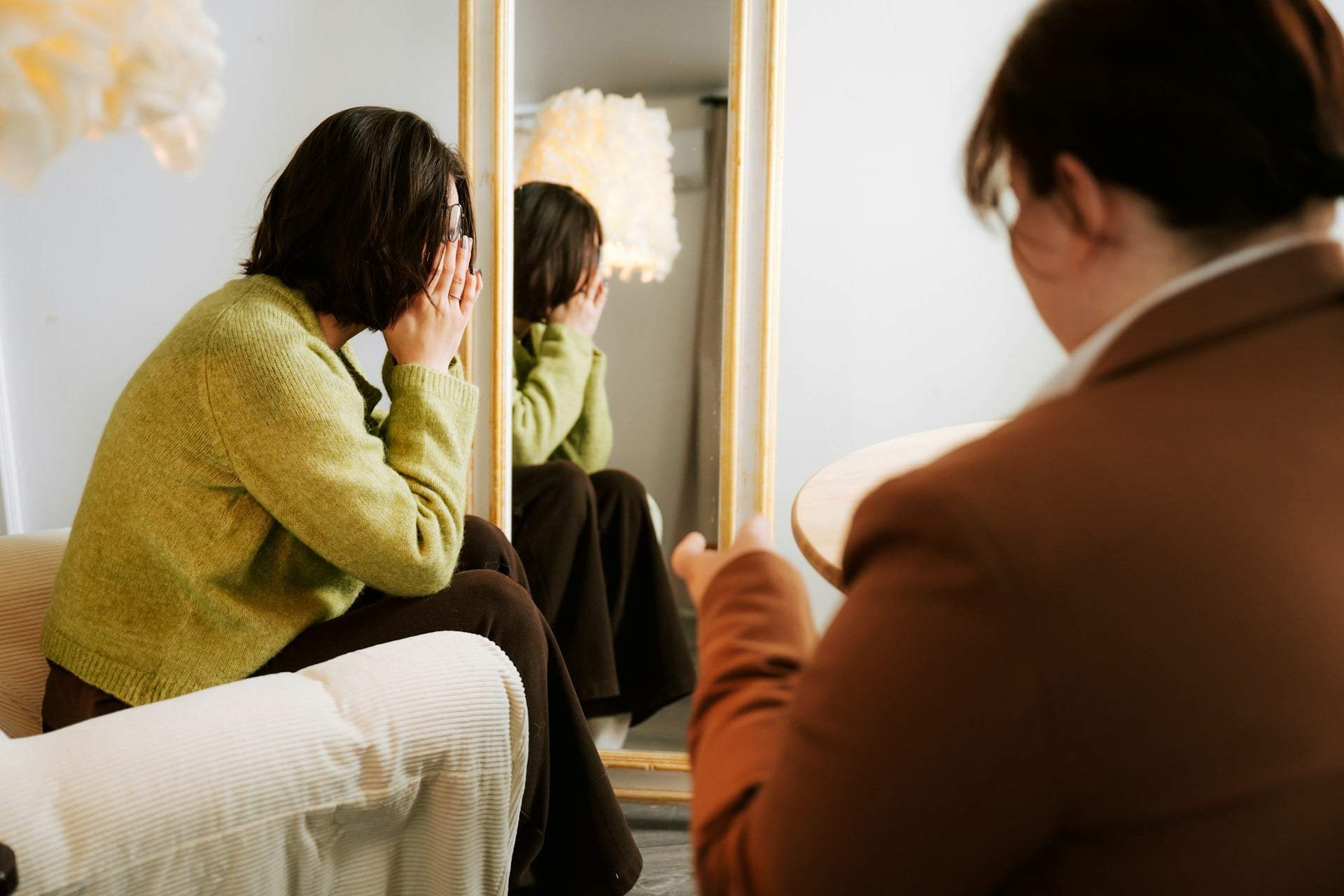
Most people think of headaches, nausea, and other physical symptoms when it comes to hangovers, but our mental and emotional states play a big role too. This experience, often called "hangxiety," is getting more attention lately.
How Anxiety and Alcohol Are Connected
Research shows alcohol triggers both stimulating and calming effects in our bodies at the same time.
While drinking can feel relaxing, the next day those euphoric vibes fade, often replaced by anxious feelings.
Alcohol affects neurotransmitters, especially gamma-aminobutyric acid (GABA) and glutamate systems. Drinking boosts GABA activity (which calms you down) and lowers glutamate (which normally excites the brain).

When alcohol wears off, your body tries to rebalance, but this can get intense. Glutamate levels rise and GABA activity drops, which can ramp up anxiety once the alcohol is out of your system.
The Emotional Rollercoaster
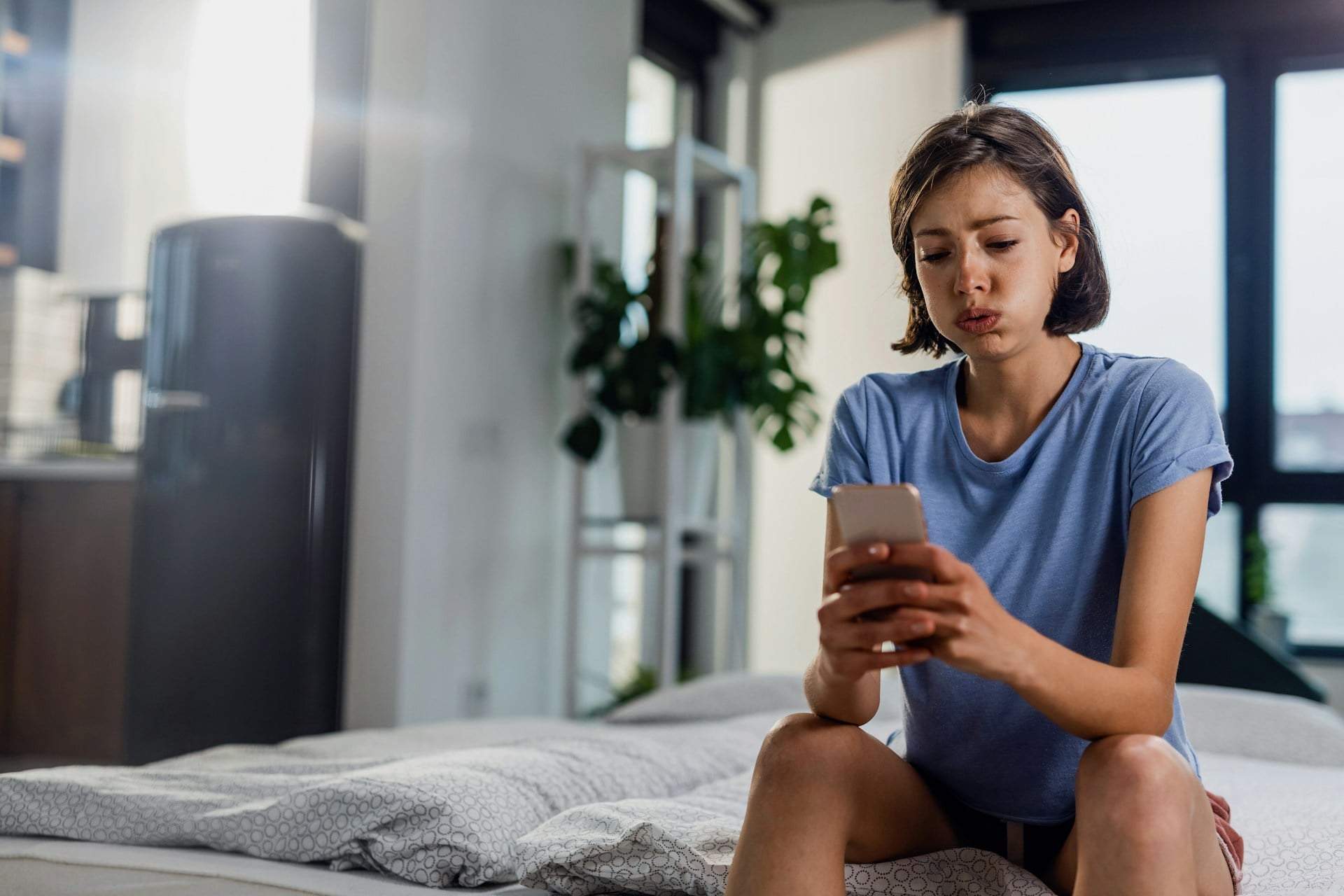
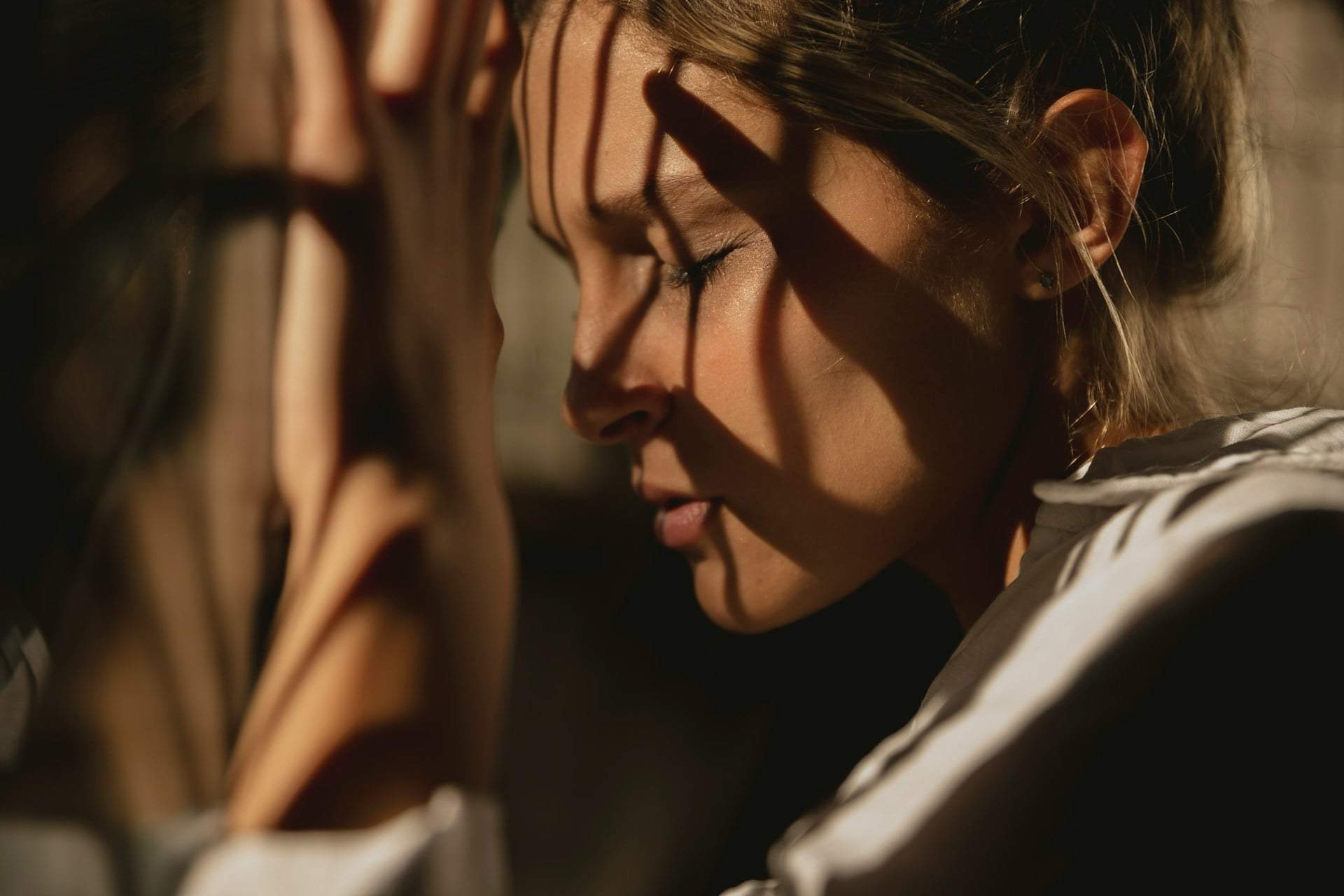
Hangxiety hits hardest for those prone to anxiety disorders. Low self-esteem and overthinking combined with a hangover can make mornings truly tough.
Studies show people who often feel anxious the morning after drinking usually experience a boost in confidence during the evening’s drinking, which alcohol amplifies.

Why does this get so intense the next day? Studies suggest heavy drinking alters serotonin and dopamine levels—often called the happiness hormones. Alcohol boosts euphoria during the night, but these hormones drop again by morning, bringing back anxious feelings.
How to Ease Hangxiety
Recognizing hangxiety is the first step to managing it. Research recommends moderate drinking, plus adopting a healthy lifestyle and regular exercise as top solutions. Staying hydrated and replenishing key minerals and vitamins also makes mornings easier.
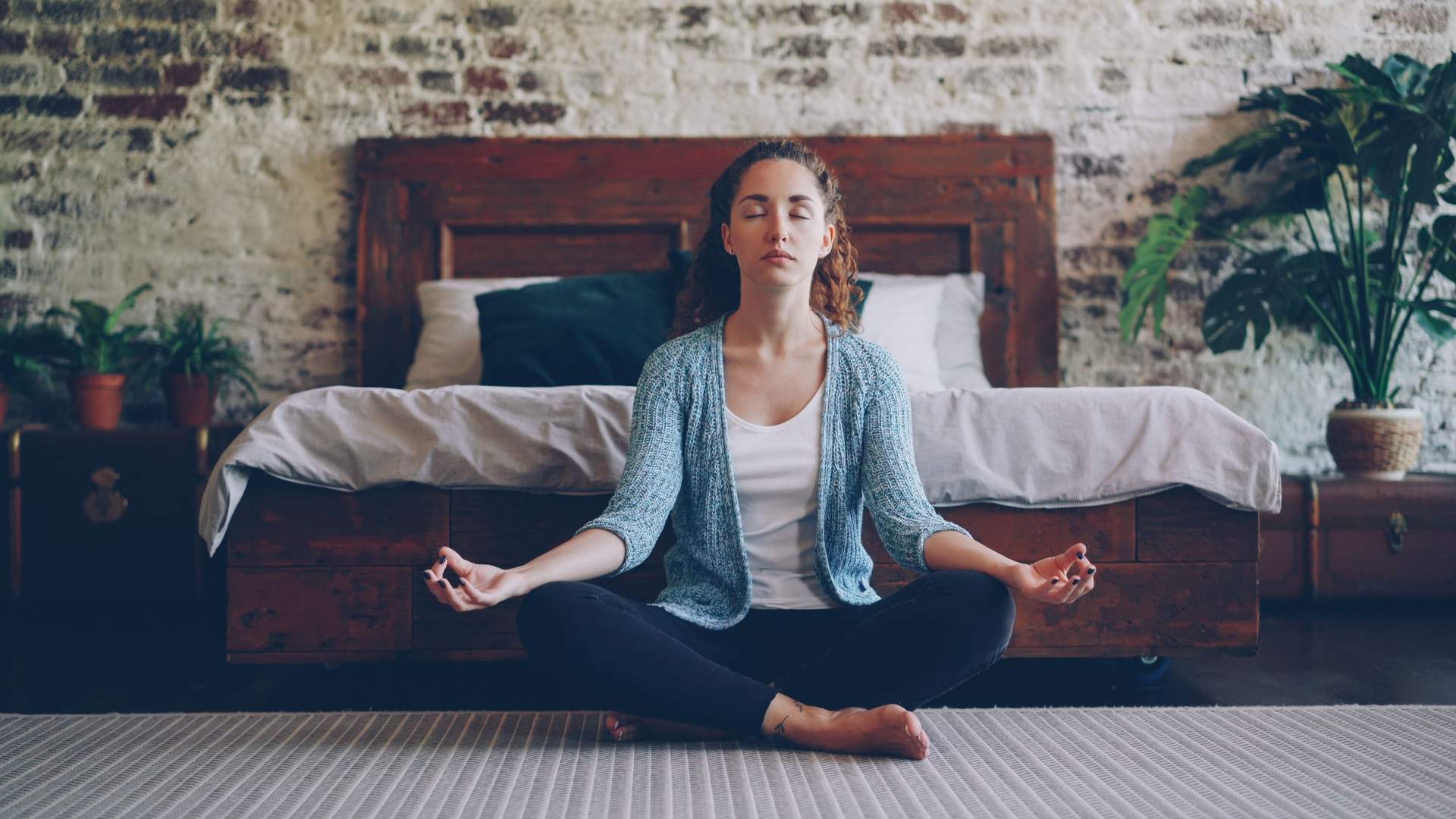
If anxiety takes over, relaxation techniques like breathing exercises or meditation can help your body and mind find balance again. There’s growing evidence that regular physical activity improves mental health and reduces anxiety symptoms that can flare up during hangovers.

When to Seek Expert Help
Hangxiety doesn’t affect everyone the same way, but if it happens often and seriously impacts your quality of life, it’s smart to get professional support. Anxiety disorders can be managed with psychologist consultations or therapy groups, helping you regain control and ease anxiety.
In short, hangxiety is a real thing—but with awareness and care, it’s manageable. Avoiding excessive drinking, living healthily, and prioritizing mental wellness can make your mornings much smoother. And if it ever feels overwhelming, don’t hesitate to reach out for help.