Happiness can feel like a moving target — and for many women, it seems to be moving further away. Research and wellbeing data from around the world consistently point to a cluster of pressures that weigh disproportionately on women's lives. These aren't just personal struggles. They're patterns, and understanding them is the first step toward changing them.
Reason #1: The impossible balancing act at work
The expectations placed on women in the workplace are often deeply contradictory. Perform at the highest level professionally — but also keep the household running smoothly, manage the children, and maintain your relationships. All at once, without complaint.
The gender pay gap and the persistent lack of promotion opportunities for women aren't just financial issues — they send a daily message about how much women's contributions are valued. That message takes a toll.
The absence of a healthy work-life balance isn't a personal failure — it's a structural one. And it's one of the most consistent predictors of unhappiness among women across different cultures and income levels.
Reason #2: Physical and mental health challenges
There's a direct and well-documented link between health and happiness — and women face specific obstacles on both fronts. Women who live with chronic illness or mental health conditions consistently report lower levels of life satisfaction. When access to healthcare is limited, or when financial hardship makes support harder to reach, those challenges compound quickly.
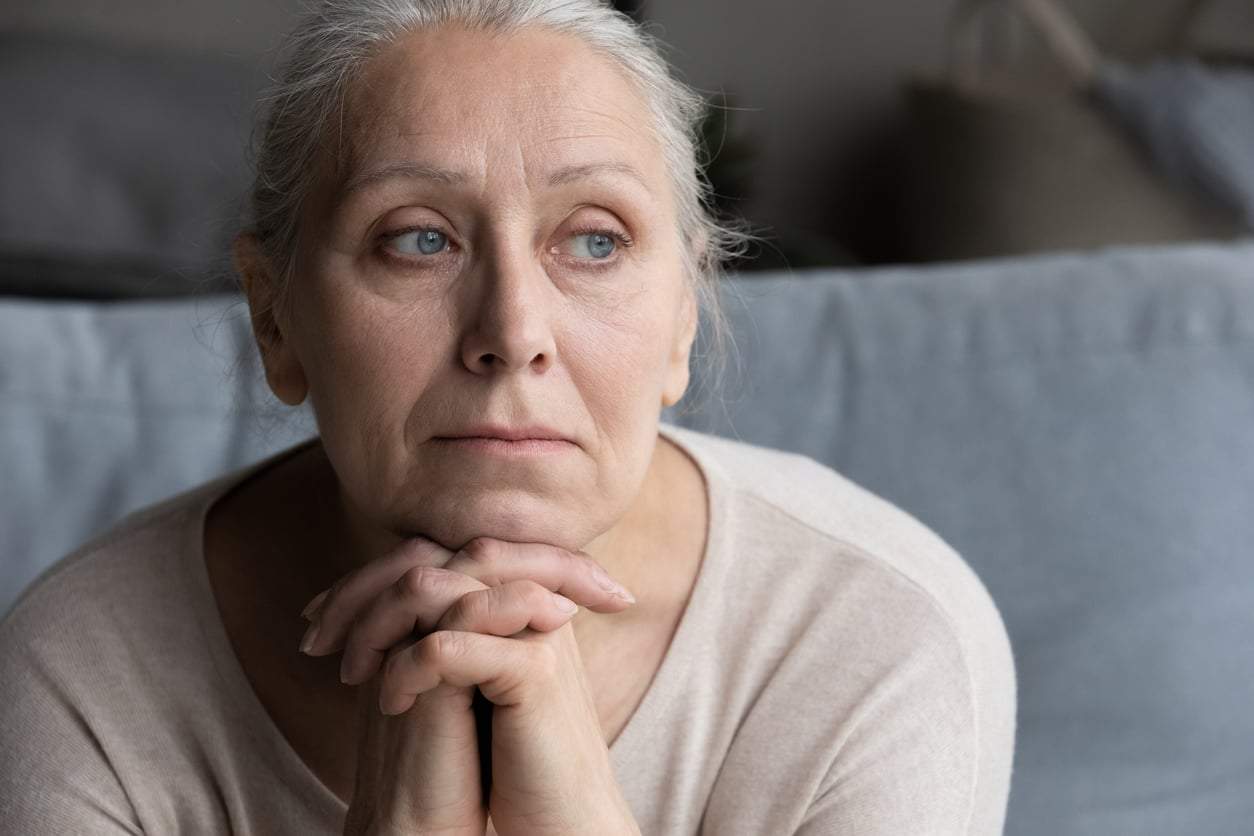
Depression and anxiety are significantly more prevalent among women than men, and a large part of that gap is driven by social pressure — the relentless expectation to be everything to everyone, all the time. Without adequate emotional support or access to psychological care, many women are left to manage these burdens alone.
Reason #3: The weight of social expectations
Modern society sends women a constant stream of conflicting messages. Be ambitious, but not too much. Be nurturing, but don't lose yourself. Be present for your family, but also pursue your own dreams. The friction between traditional roles and contemporary ideals creates a kind of low-level, chronic dissatisfaction that's hard to name but impossible to ignore.
Social media makes this worse. The curated perfection that fills feeds every day sets unrealistic standards that quietly erode self-esteem. When the highlight reel of other people's lives becomes your measuring stick, it's almost impossible to feel like you're enough.
So what actually helps?
Change has to happen on multiple levels — and it can't rest entirely on individual women to fix what are, at their core, systemic problems.
At a societal level, education, equal access to resources, and genuine institutional support for women's advancement all matter. Workplaces and communities need to move beyond lip service and create real structures that allow women to grow professionally without sacrificing everything else.
At a personal level, one of the most powerful things a woman can do is recognize and advocate for her own needs — and build connections with others who truly understand her experience. Shared stories and mutual support don't solve everything, but they remind women that they're not alone in what they're carrying.
The path to happiness isn't simple, and it won't look the same for everyone. But when women are supported — not just encouraged — real change becomes possible.