A rug is never just a finishing touch. It sets the mood, defines the space, and — if you choose wrong — it can quietly throw off an entire room. The good news? Once you know what to look for in each space, the decision becomes surprisingly simple.
Living room: comfort meets style
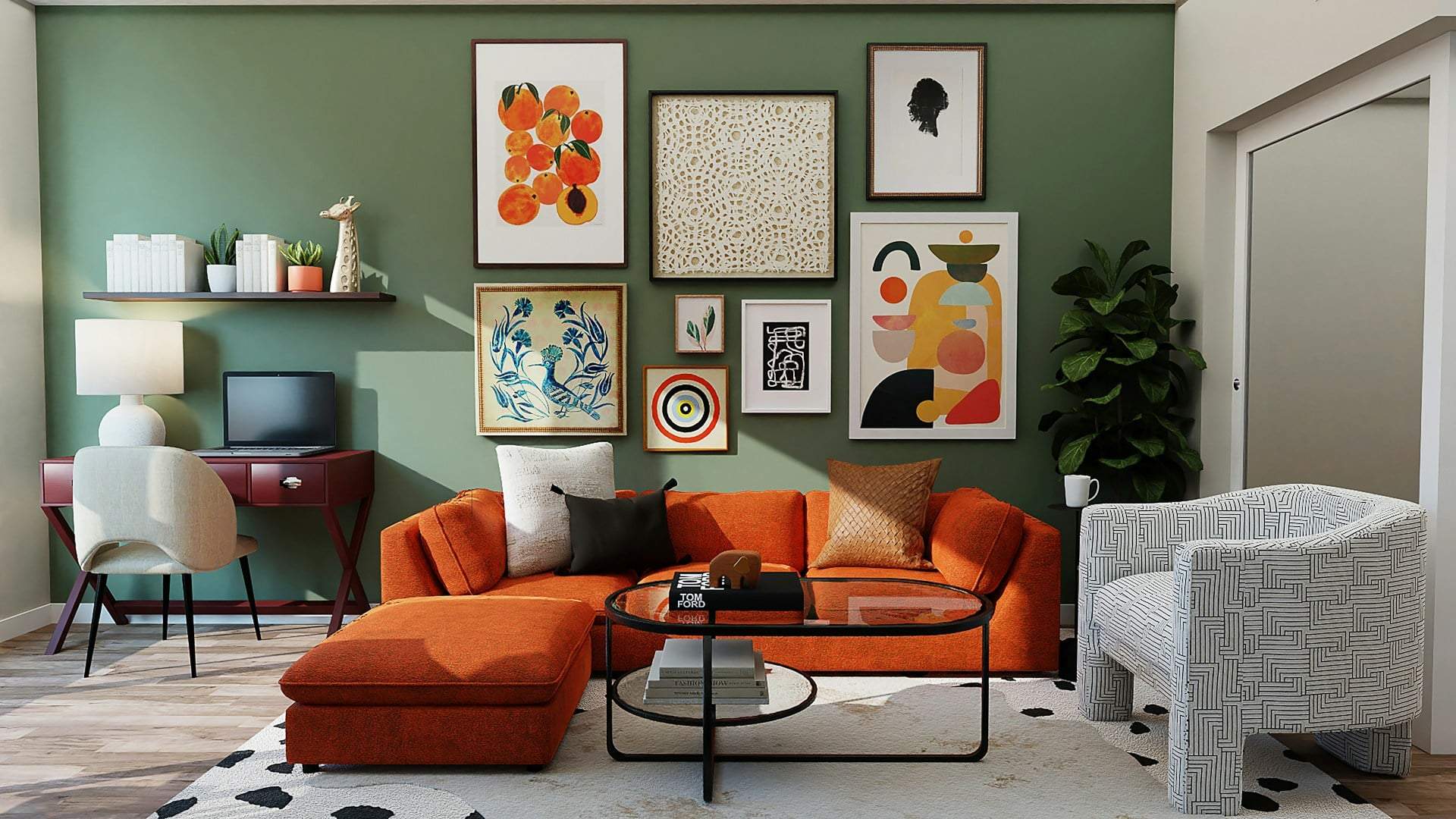
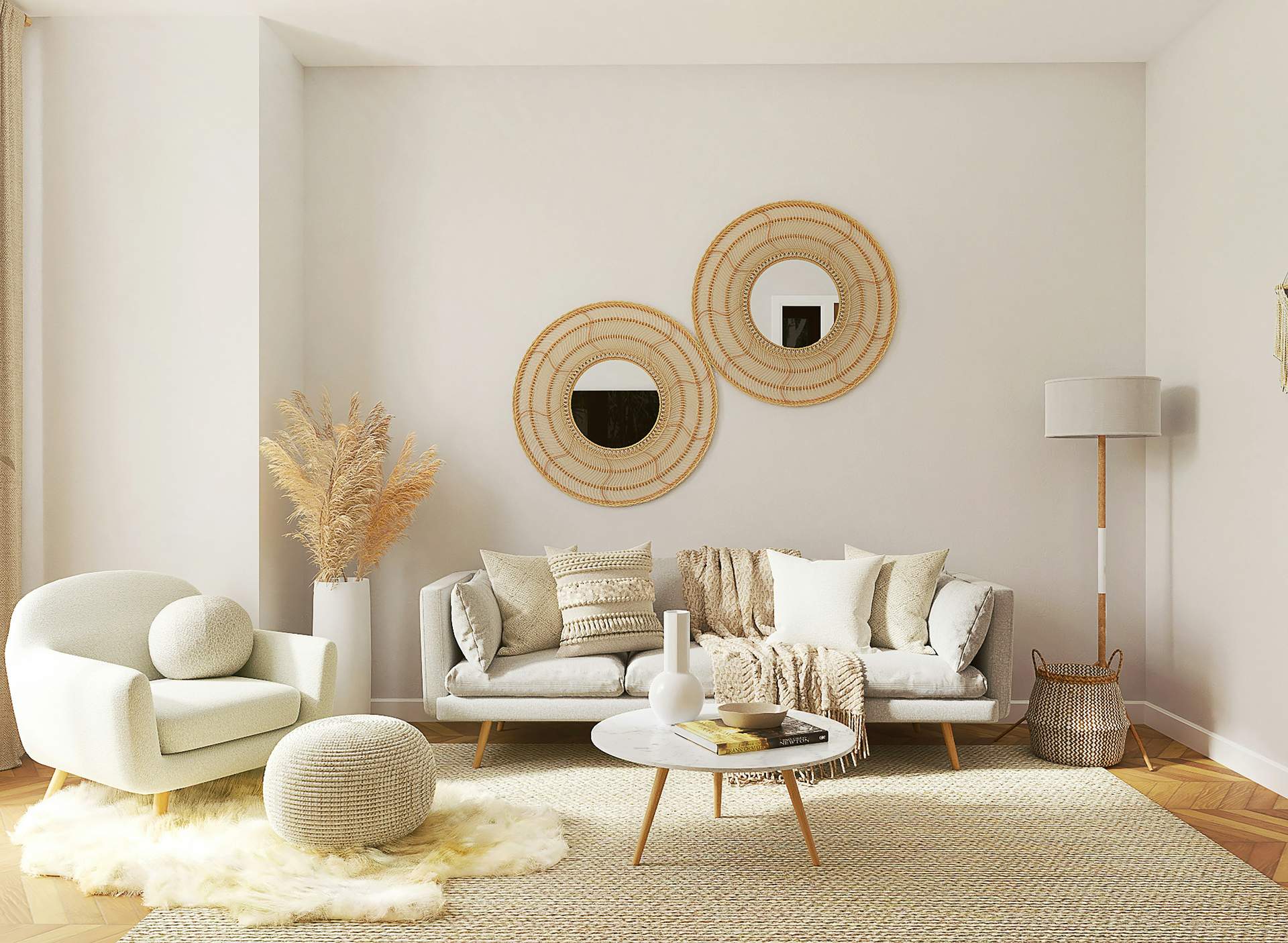
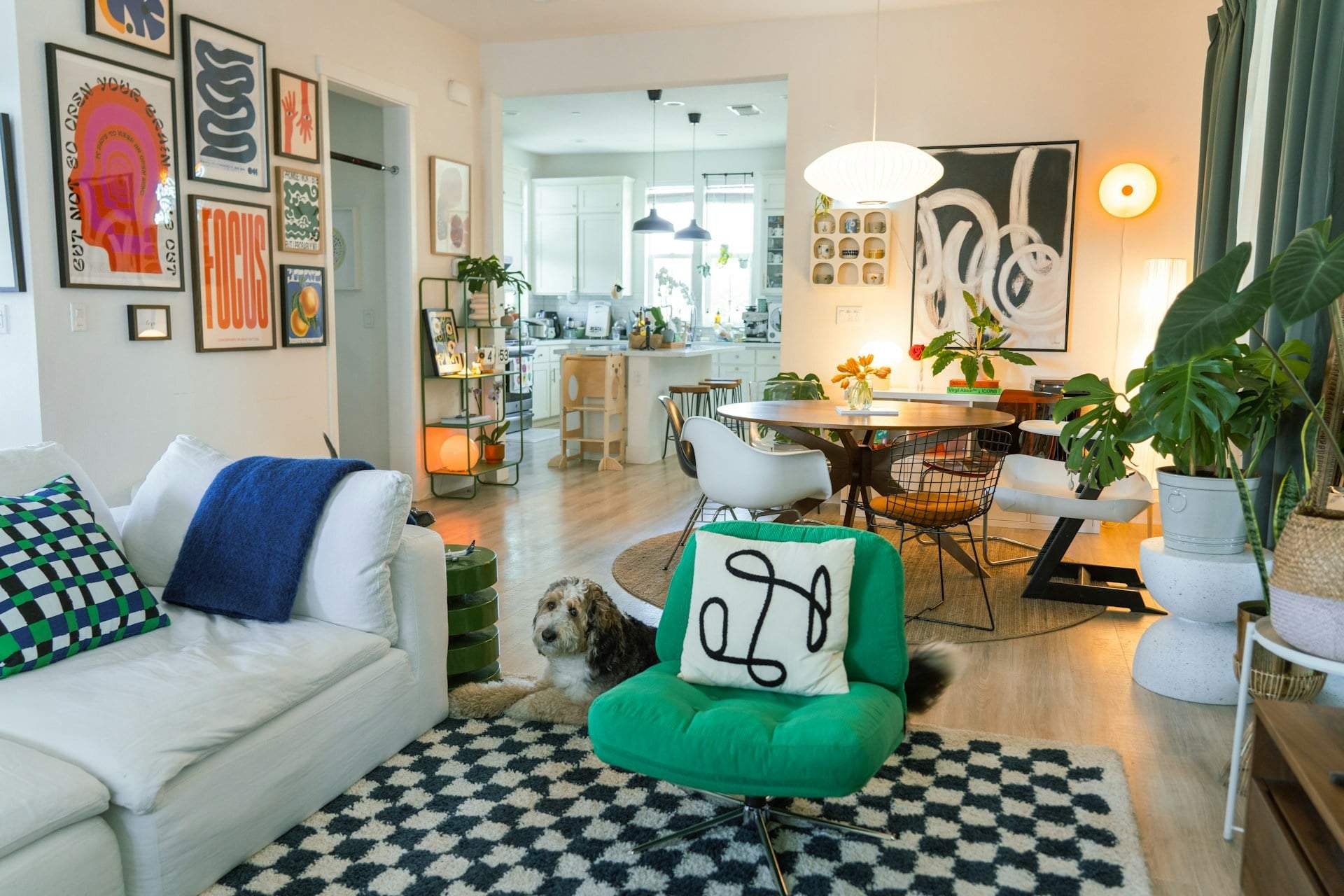
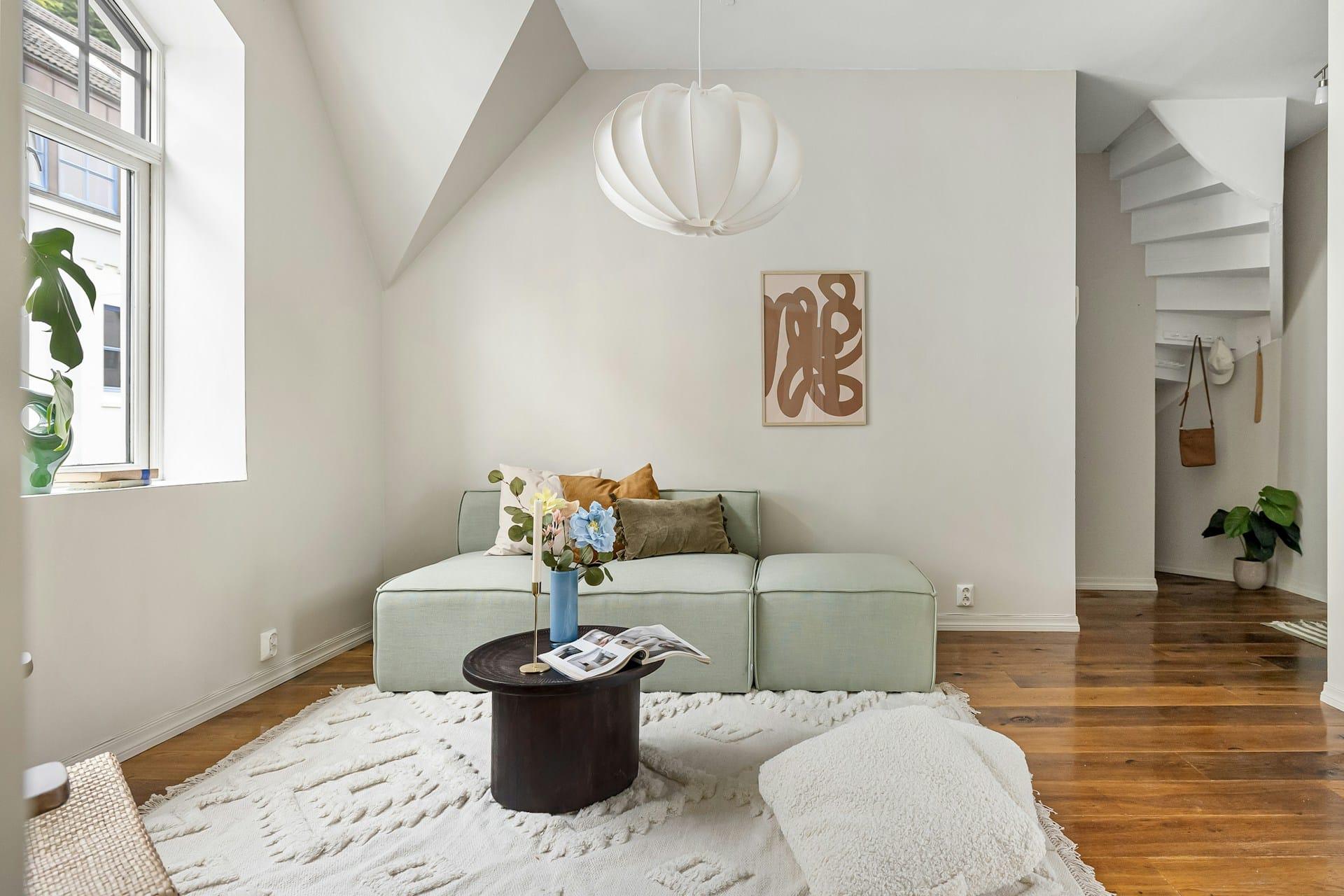
The living room is where life happens — lazy Sunday mornings, movie nights, long conversations with friends. It deserves a rug that feels as good as it looks.
Go for a larger size that extends comfortably under the sofa and armchairs, so every seat feels anchored and connected. A rug that's too small will make even a well-furnished room feel disconnected and off-balance.
When choosing colour and pattern, always consider the furniture and wall tones. The rug should complement the room, not compete with it.
If your furniture leans neutral, a bold, patterned rug can bring the whole room to life. Prefer something more understated? A soft, long-pile rug in a single tone creates a warm, intimate feel that invites you to sink in. Textures like shaggy pile or a classic Persian-style weave add visual depth while making the space noticeably more comfortable underfoot.
Bedroom: softness first, always
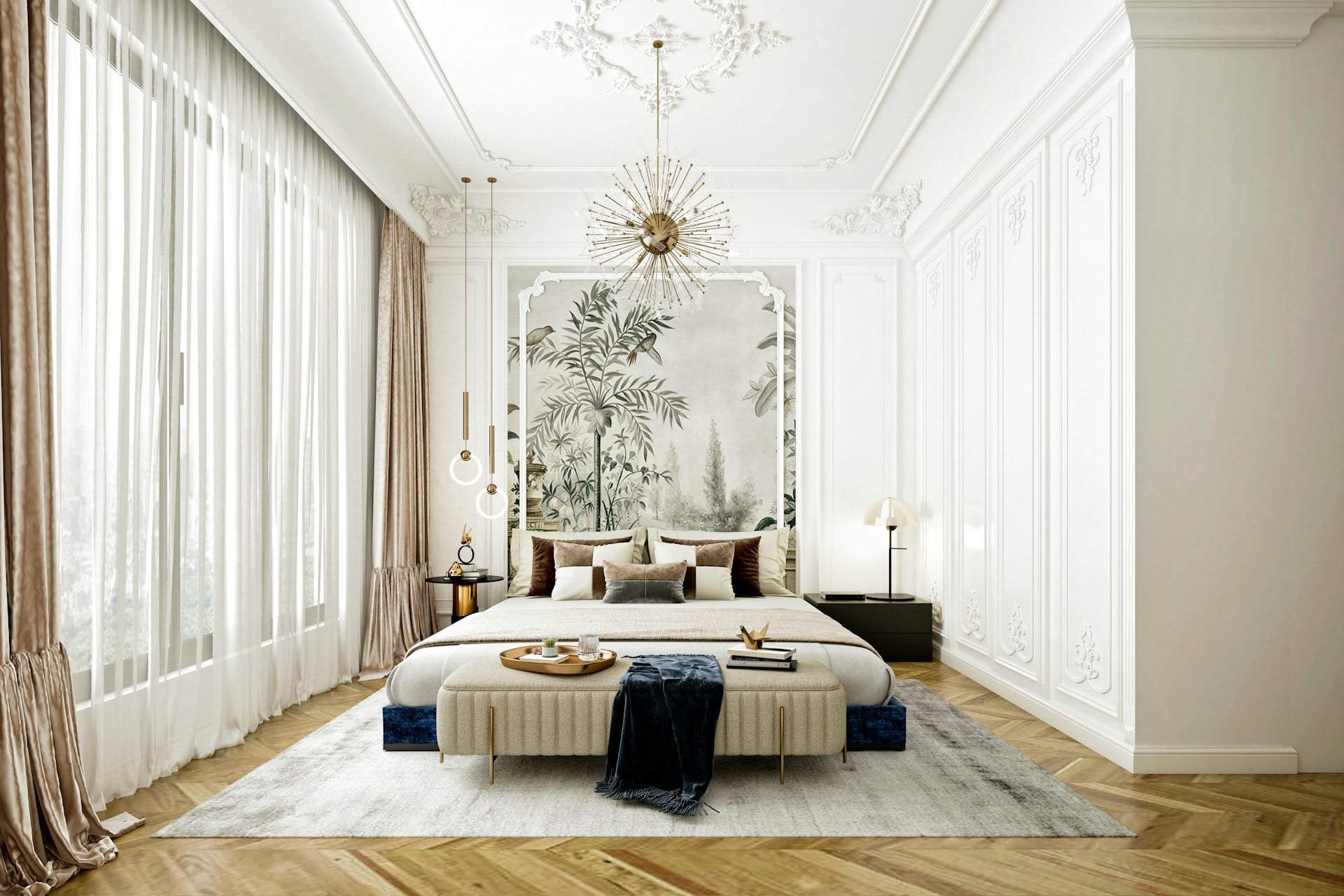
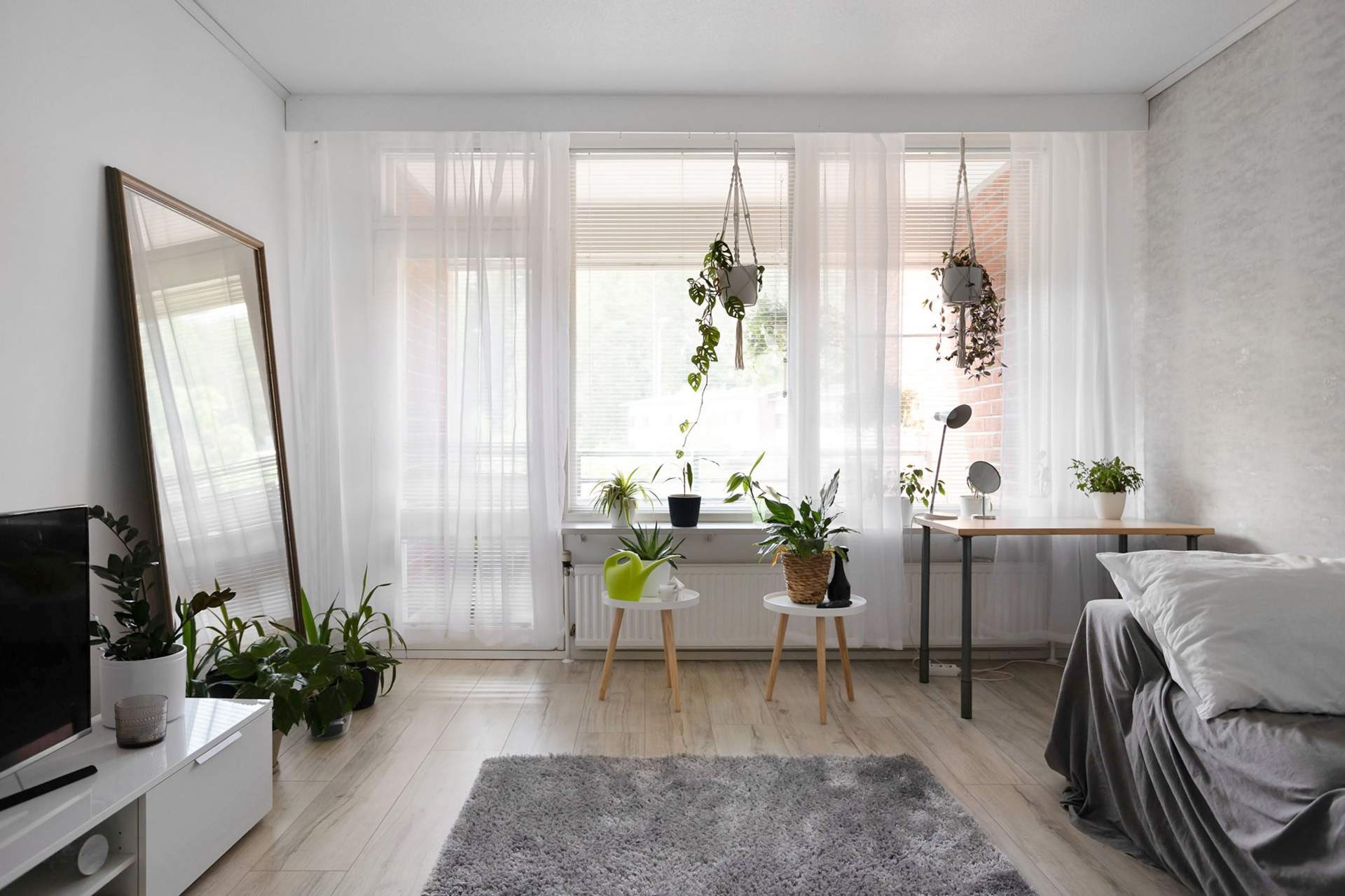
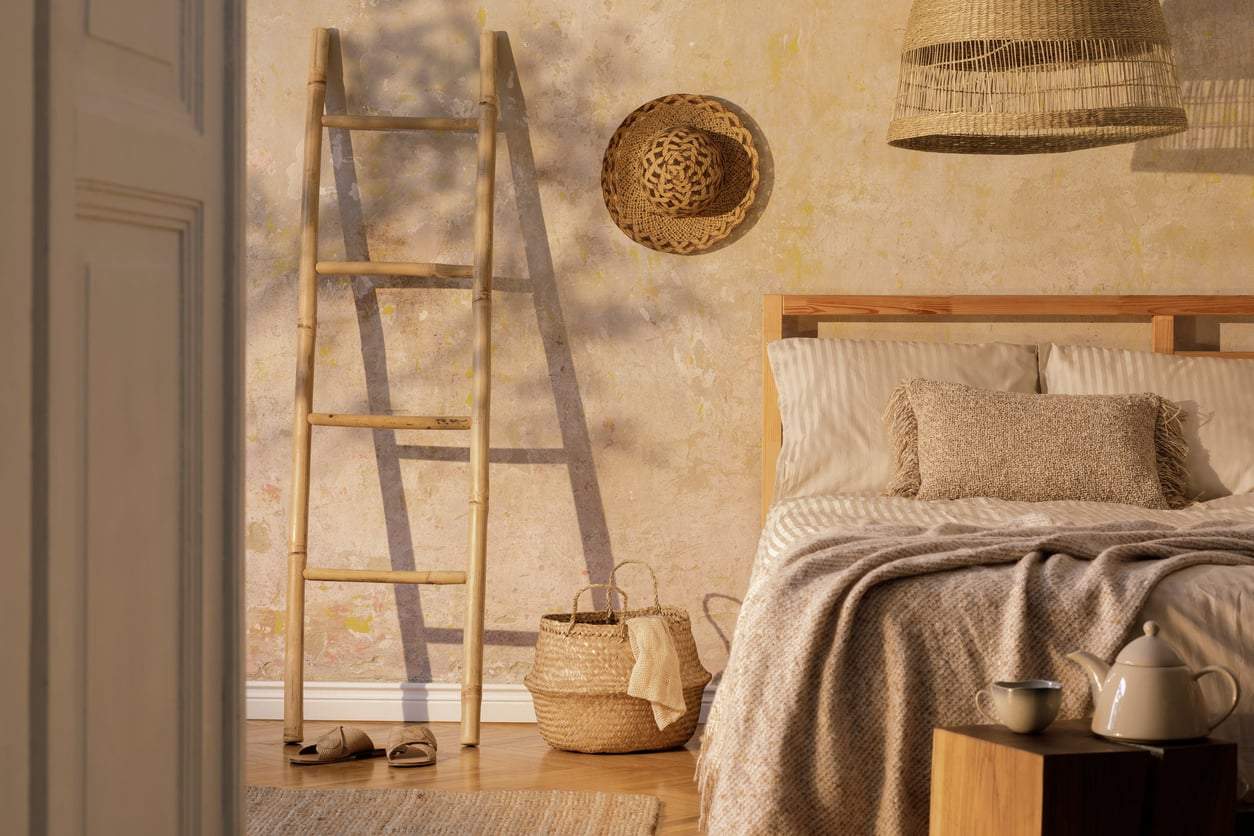
The bedroom is your sanctuary — and the rug you choose should reflect that. Here, softness and atmosphere take priority over everything else.
A thick, warm rug placed around the bed means your feet land somewhere pleasant the moment you wake up. It's a small detail that genuinely changes how a morning feels.
Natural materials like wool or cotton are especially well-suited here — they're breathable, tactile, and bring a grounded, cosy quality to the room.
For colour, lean toward calming tones: soft pastels, muted earth shades, or warm neutrals all encourage relaxation and make the room easier to unwind in. If you love a bit of pattern, look for subtle motifs — something that adds character without overwhelming the space.
Kids' room: fun, durable, and easy to clean
In a child's room, the rug works harder than anywhere else in the house. Kids live on the floor — playing, building, rolling around — so the rug needs to keep up with them.
Durability and easy cleaning are non-negotiable. Spills, crumbs, and general chaos are part of the deal — your rug should handle all of it without fuss.
On the fun side, this is where you can really let loose with colour. Bright, playful hues or rugs featuring favourite characters and illustrated worlds make the space feel exciting and imaginative. A large, soft play rug gives little ones a safe, cushioned surface to explore — and doubles as a design statement the whole family will love.
Kitchen: practicality over everything
In the kitchen, a rug has one main job: to be practical. Spills, splashes, and heavy foot traffic are daily realities, so choose accordingly.
Look for something that's easy to clean and resistant to moisture. A runner rug with a non-slip backing is ideal — it stays put even on smooth floors and can usually be tossed in the wash when needed.
For colour, think smart: mid-tones, greys, or deeper earth shades hide minor stains between washes and keep the kitchen looking tidy without constant maintenance.
Bathroom: safety, softness, and a fresh feel
The bathroom rug has two clear priorities: preventing slips and making cold tiles feel less brutal first thing in the morning.
Consider modern microfibre rugs — they dry quickly, resist moisture effectively, and stay fresh far longer than traditional cotton bath mats.
For colour, keep it clean and cohesive. Choose a shade that harmonises with your tiles rather than clashing with them. Soft pastels, crisp whites, or airy light tones all work beautifully — they reinforce that sense of freshness and cleanliness that every bathroom should have.
Choosing the right rug for each room doesn't require a design degree — just a clear sense of how the space is used and what feeling you want it to create. Get that right, and the rest follows naturally.