Many of us know the exhausting battle against calories all too well. Amid strict diets and intense workouts, we often overlook a key principle: lasting weight loss actually starts with the health of our internal system, especially our gut. Until your gut is balanced, no matter how dedicated you are, weight control can feel like a distant dream. It’s time to move past short-term fad diets and focus on nurturing your body’s inner harmony. The microbiome diet offers one of the most promising and effective ways to do just that.
The Basics of the Microbiome Diet
The main goal of the microbiome diet is to support and restore the health of your gut flora, which plays a crucial role in your overall well-being. Your gut hosts billions of bacteria, collectively known as the microbiome. This complex system influences digestion, immune function, and metabolism. A balanced microbiome helps maintain a healthy weight and supports long-term health.
The golden rule of the microbiome diet is to avoid processed foods and sugary treats, and instead prioritize naturally prebiotic-rich foods.
These ingredients nourish the good bacteria, helping them thrive and sustain a healthy gut environment.
How Gut Flora Affects Your Weight
Your gut flora directly influences your metabolism, which determines how efficiently your body burns calories and processes fat. An imbalanced gut means fewer nutrients are absorbed during digestion, and fat accumulation becomes more common.
On the flip side, a healthy microbiome can speed up metabolism, supporting weight loss.
It’s also important to know that your microbiome affects hormones that regulate appetite. A well-functioning gut can help curb excessive hunger and cravings, which often accompany unhealthy eating habits.
What to Eat on the Microbiome Diet
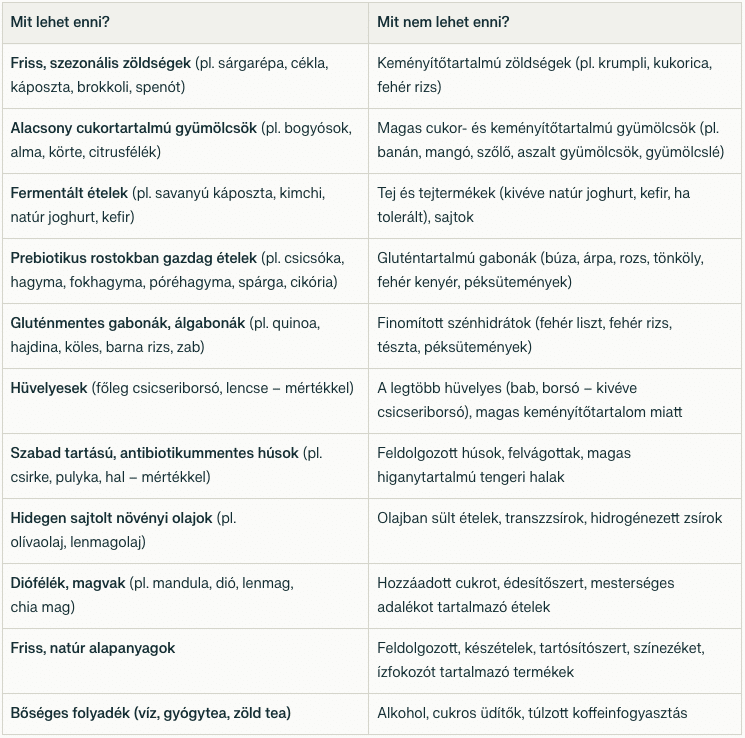
The microbiome diet encourages foods that promote a healthy balance of gut bacteria. Think fermented foods like kefir, yogurt, sauerkraut, and kimchi. These natural probiotics help restore gut flora balance.
Prebiotic-rich foods like garlic, onions, asparagus, and bananas are also great because they feed the good bacteria in your gut. Plus, a diet high in fiber supports gut health, so whole grains and plenty of veggies should be your go-to.
Foods and Habits to Avoid
While traditional diets often focus on cutting calories or adjusting macronutrients, the microbiome diet zeroes in on food quality.
It’s key to minimize processed foods, sugary drinks, and alcohol since they can harm your gut flora.
Unnecessary use of antibiotics can also damage your microbiome, so only take them when prescribed by your doctor. Stress impacts gut balance too, so make time for relaxation and get enough sleep to keep your gut happy.
Long-Term Benefits
The microbiome diet isn’t just about losing weight or achieving your ideal shape—it’s about creating total mind-body wellness. Restoring your gut flora can boost your immune system, lower inflammation risks, and even improve your mood, thanks to the strong connection between your gut and brain.
By aligning your body, mind, and spirit, the microbiome diet offers a sustainable lifestyle change where weight loss is just a wonderful bonus. A healthier body and a more balanced life—that’s the fresh start you deserve.