Healthy living is all about the small daily choices we make: what we eat, how much we move, and how we rest. But what if there was a simple, science-backed way to slow down cellular aging? The great news is that more research shows vitamin D supports not just your bones and immune system but also contributes to a longer, active life.
Studies suggest that vitamin D plays a key role in slowing cellular aging by protecting telomeres, which helps keep cells functioning youthfully. So how does this work in real life, and are you getting enough daily?
Why Vitamin D Is So Special When It Comes to Aging
Cell aging largely depends on the state of telomeres. Telomeres are protective caps at the ends of chromosomes that shorten with every cell division. The shorter they get, the faster cells age, increasing risks for heart disease, cancer, and early signs of aging.
An American study with over a thousand participants tracked the effects of vitamin D3 over four years. Results showed that taking 2,000 IU of vitamin D3 daily significantly slowed telomere shortening, while omega-3 supplements didn’t show the same effect – according to Prevention. This means vitamin D can truly support youthful cell function in a measurable way.
How Vitamin D Protects Your Cells
Vitamin D supports healthy aging on several levels:
- Reduces inflammation: Chronic inflammation speeds up cell aging, and vitamin D helps calm these inflammatory processes.
- Boosts cell energy centers: Vitamin D supports mitochondria—the cell’s "power plants"—which is vital for energy, metabolism, and brain function.
- Enhances antioxidant production: It promotes the creation of glutathione, a powerful antioxidant that lowers oxidative stress, slowing cell damage and aging.
Together, these effects mean vitamin D doesn’t just support your immune system and bones—it helps protect your cells for the long haul.
How to Get Enough Vitamin D
The most natural source of vitamin D is sunlight: your skin makes it when exposed to the sun. But modern lifestyles, indoor work, and sunscreen use mean many don’t get enough.
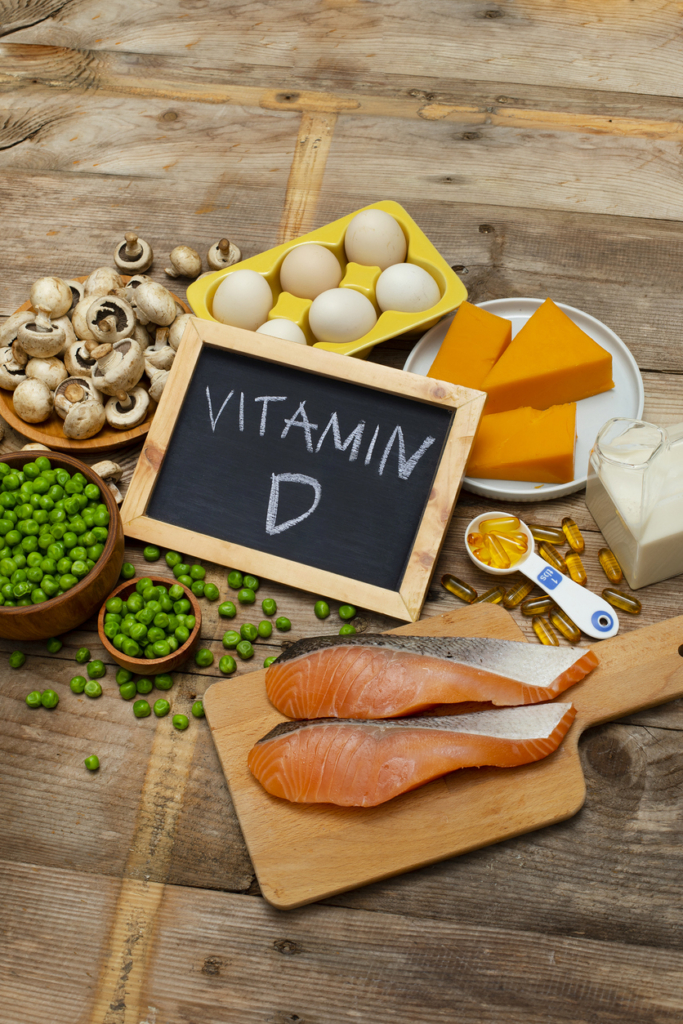
Luckily, vitamin D can also be boosted through diet. Good sources include:
- fatty fish like salmon, herring, and mackerel,
- egg yolks,
- milk and plant-based milks fortified with D3,
- mushrooms, especially those exposed to sunlight.
If natural sources aren’t enough, vitamin D can be taken as a supplement. But too much isn’t safe, so it’s smart to check your levels with a blood test and work with a healthcare provider to find your ideal daily dose.
It’s Not Just About the Vitamin – Your Whole Lifestyle Matters
Vitamin D isn’t a miracle cure, but it plays a powerful role in keeping cells healthy. For a long, vibrant life, think holistically:
- Nutritious diet: Mediterranean-style with plenty of veggies, fruits, fish, and healthy fats,
- Regular exercise: boosts circulation, strengthens muscles, and supports cell metabolism,
- Quality sleep: the foundation for cell repair,
- Social connections: mental health is just as vital as physical.
Vitamin D can strengthen youthful cell function, helping you stay energized and feel great every day.
Aim for Awareness
Vitamin D isn’t a magic bullet, but its role in slowing cellular aging is increasingly clear. By protecting telomeres, supporting mitochondria, and boosting antioxidant production, it helps you live longer and with more energy.
By consciously including vitamin D in your routine—through sunlight, vitamin D-rich foods, and supplements—monitoring your levels, and embracing a healthy lifestyle, it can truly become one of your best allies for a long, active life.