If you love exploring food, you’ve probably tried countless unique and exciting dishes. Cultures around the world offer incredibly diverse flavors that can feel completely different from what you know. While some cuisines seem exotic to us, they’re everyday staples for others. Here, we dive into ten of the world’s most unusual foods that might just surprise you at first bite.
Duck Egg Embryo: Balut
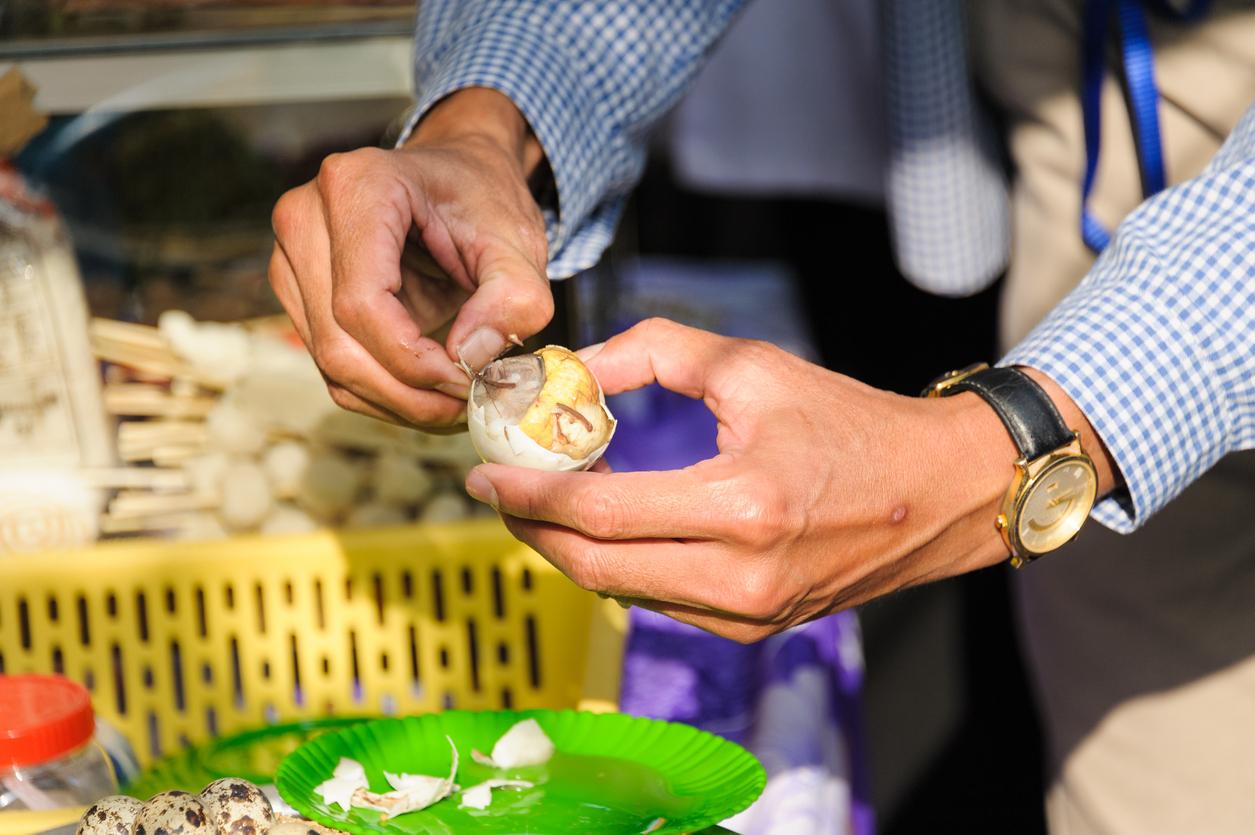
Balut from the Philippines is a truly unique delicacy—a partially developed duck embryo inside a fertilized egg. It’s usually about 18 days old when boiled and eaten whole. Though the idea might be shocking, locals treasure it as a delicacy, with a flavor that blends egg and meat in one bite.
This dish is mostly enjoyed as an evening street snack and can be served in many ways, often seasoned with vinegar and salt.
Swedish Fermented Herring: Surströmming
Surströmming, or fermented herring, is one of Sweden’s most famous specialties. The herring is fermented in very salty water and then canned. The result is a dish with a very strong smell that many find challenging.
Though the smell can be off-putting, enthusiasts say the taste is balanced and pairs well with traditional Swedish sides like potatoes and onions.
Chinese Century Egg
The Chinese century egg, also known as pidán, is the result of months-long preservation. The shell hardens while the inside turns dark green and jelly-like. Its unique flavor and texture can be a tough introduction for many Western palates.
Traditionally, it’s part of festive meals in China, often enjoyed with various vegetables and spices.
Icelandic Fermented Shark: Hákarl
Iceland’s pride, hákarl, is fermented shark meat known for its strong ammonia smell. The shark is buried and dried for months to make it edible.
Though its taste and smell can deter many, Icelanders honor it as a traditional dish served at various festivals.
Guatemalan Ant Caviar: Escamoles
Along the border of southern Mexico and Guatemala, escamoles—ant larvae often called "insect caviar"—are a prized delicacy. These ant eggs are sautéed with spices and commonly served in tortillas.
The flavor is said to be mildly buttery, and its texture could appeal to more people if refined, though the natural ingredient feels unusual to many.
Chinese Bird’s Nest Soup
Bird’s nest soup is a pinnacle of Asian luxury cuisine, made from edible swiftlet nests. The nests are known for their dried, jelly-like texture and are dissolved in hot water through a special process.
This soup offers a unique taste experience and is often served as a rare, expensive treat during special occasions.
Japanese Poisonous Fugu
Fugu, or pufferfish, is a Japanese delicacy that requires expert preparation because its internal organs contain deadly toxins. Only highly trained chefs can prepare it safely, making fugu a daring culinary adventure.
When prepared correctly, the fish is said to be incredibly delicious, making it a sought-after experience for adventurous diners.
Korean Fermented Cabbage: Kimchi
Kimchi is one of Korea’s most famous dishes, made from fermented cabbage and a source of national pride. There are countless variations, each offering a unique flavor depending on spices and ingredients.
Besides being tasty, kimchi may support gut health, making it an easy addition to a balanced lifestyle.
Scottish Haggis
Haggis is one of Scotland’s oldest specialties, made from sheep’s offal mixed with oatmeal and spices, all encased in a sheep’s stomach. Over centuries, it has become Scotland’s signature dish, often called the king of Scottish foods.
It’s traditionally served with lively customs at Scottish festivals and is increasingly popular among visitors.
German Blood Sausage: Blutswurst (Hungary’s Bloody Cousin)
Germany is famous for its sausages, but blutswurst, or blood sausage, can be a challenge for many food lovers. Made from pork blood and various cuts of meat, it’s a traditional recipe with deep roots.
Part of European cuisine for millennia, it might not be everyone’s favorite, but Germans (and Hungarians) consider it a true delicacy.