Gut and brain connection
We are only beginning to grasp how strong the connection between our intestines and brain is. So much so that today we can say that the gut microbiome may be responsible for the development of several mental illnesses.
Several studies prove that a disrupted gut flora can cause mental disorders such as attention deficit, depression, and autism, but it may also underlie lack of motivation, depression, and sleep disorders. In a hundred years, doctors will shake their heads that back then people did not know how closely connected their gut and brain were.
The lithopedion
Lithopedion is a dead fetus that has grown too large to be absorbed and instead of being born, it becomes calcified inside the mother's body. So far, only about 300 documented cases are known, and in most of these, the woman carried the lithopedion in her body for several decades until she was hospitalized due to abdominal pain.
There have also been cases where the person was unaware of it, and the lithopedion was only discovered during an autopsy.
Immune
There is not a single documented case of schizophrenia in people born blind. For some reason, they are "immune" to schizophrenia, and medical science does not yet know why.

The mysterious placenta
The placenta is the only "temporary" organ that connects the mother to the fetus for 40 weeks, and after birth, the body gets rid of it. Another interesting fact is that it is not only of maternal but also partly paternal origin.
Lack of knowledge
New drugs and treatments are tested on men. Why? Because with women – due to hormonal fluctuations – testing would have to be done on menstruating and non-menstruating women, as well as menopausal and non-menopausal women. And that’s not even mentioning pregnancy, childbirth, and breastfeeding.
Testing with so many more factors would greatly increase the cost, duration, and complexity of testing, so unfortunately women are left out because it is simpler to test on men; this is the sad reality.
The mystery of yawning
We don’t know why we yawn or why yawning is "contagious," meaning if we see someone yawn, we have to yawn too. Some believe it helps regulate brain temperature, others think it stimulates heartbeat and muscles, while a third theory suggests it helps the body get more oxygen.
A, B, AB, and so on
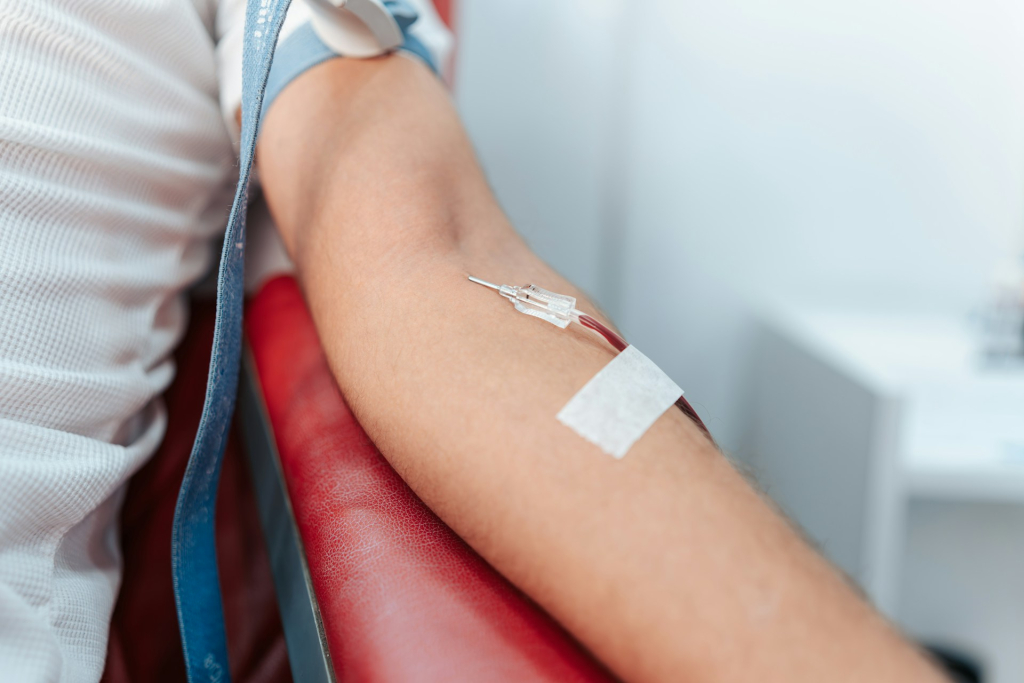
Why are there different blood types? We discovered their existence only about a hundred years ago. One hypothesis is that they developed because our ancestors – depending on their habitat – produced different antibodies against certain infections.
This might explain why people with blood type O are more protected against malaria but more prone to ulcers. This is just a theory, but what we do know is that the once popular blood type diet has no scientific basis.
Rest
What is the activity with which we spend one-third of our lives, but science does not know why? Sleep. There are theories, but no universal answer yet as to why we sleep or even why we dream.
Whose body?
Did you know that 1-3 percent of your body is not actually "yours"? Indeed, a human body is home to no less than 100 trillion microbes. These invisible organisms help fight infections, heal injuries, and are responsible for the health of our intestines.
Unconscious
We do not know how anesthesia, or surgical sedation, works. All we know is that certain chemicals cause loss of consciousness, and this is what we use.