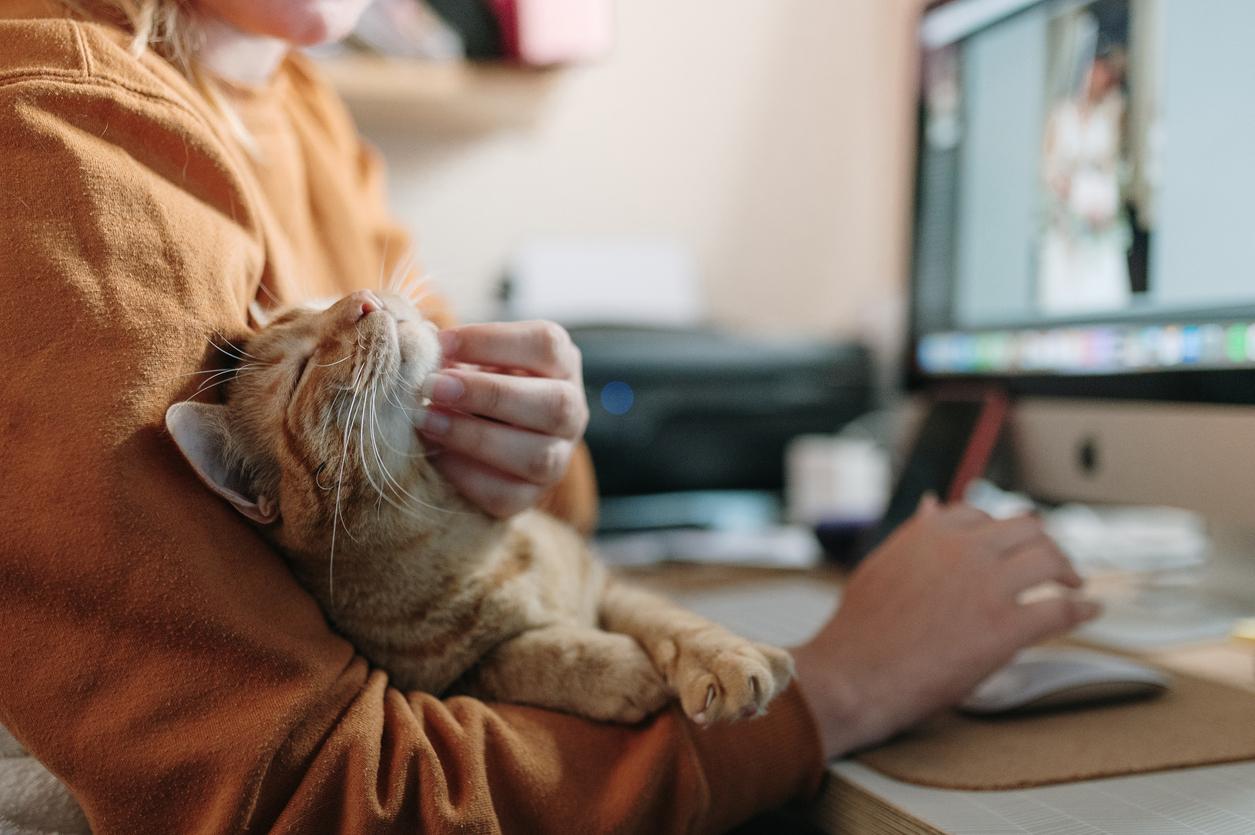
You spot a cat in a friend’s living room, on the street, or at a café terrace, and you reach out as if it’s instinct, not a choice? John Amodeo, writer and psychotherapist, says this urge isn’t random or just about cats being cute. There are deep psychological and biological forces at work—often unnoticed by us.
What We Secretly Long For
Petting a cat may seem like simple joy at first. Their soft fur, gentle purring, and rhythmic movements soothe our nervous system and slow down racing thoughts. But Amodeo points out this is just the surface; what truly touches us is how cats fully show up in the moment of touch.
When a cat walks over, pauses, lets you pet it, even relaxes or shows a vulnerable posture, it’s actually welcoming you. It doesn’t overthink or keep emotional distance—it’s simply present. Sadly, this kind of unconditional presence is rare in many people’s personal relationships.
Why Is It Hard to Receive What Feels Good?
Many of us find it easier to give than to receive because we learned early that acceptance feels selfish, that we should be strong, independent, and not rely on others. Past hurts, conflicts, and disappointments also make us cautious.
We build walls, but what we really crave is connection.
A cat doesn’t keep score. It doesn’t bring up yesterday’s shortcomings, punish you with silence, or demand explanations. It’s right there with you the moment you reach out—and that unconditional presence deeply affects us. It’s why we keep coming back to those purring furballs for connection.
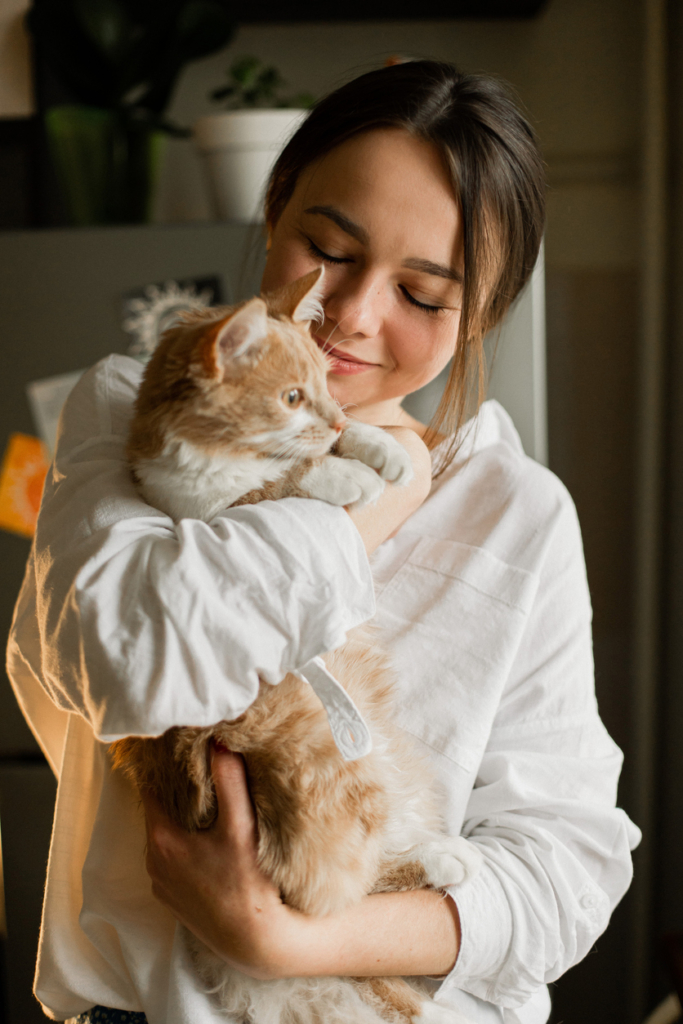
Cuteness Is No Accident—It’s an Evolutionary Trick
Science tells us it’s no coincidence we find cats adorable. The so-called “baby schema” (big eyes, rounded face, short nose, soft textures) bundles traits that instinctively trigger our caregiving instincts.
A 2022 study found that domestic cats’ faces show these baby-like features more clearly than wild cats’. Through domestication—partly conscious, partly instinctive—traits that strongly activate our nurturing drive have been preserved. So it’s no surprise nearly 11 million cats live in UK households alone.
But it’s not just looks—behavior matters too. Our love for cats goes beyond admiring their features. Their kneading, playful "hunting," and purring are habits that stay with them into adulthood and strongly affect us. A UK survey found over half of cats aged 12 and older still play regularly, showing kitten-like traits. The trick? These behaviors spark the same emotional responses in us as a toddler’s carefree play. We’re simply wired to find them cute and want to care for them!
Research Shows These Effects Are Real
Long-term studies found cat owners have lower rates of death from heart attacks compared to those who’ve never lived with a cat. Other research shows cats help lower blood pressure, reduce stress, and boost hormones like dopamine, serotonin, and oxytocin.
Oxytocin is especially important: it’s the hormone linked to bonding, safety, and love.
So when a cat welcomes your touch, your body literally switches into a calm, healing mode.
Amodeo says cats don’t teach us directly, but they shape us. They remind us what it feels like to be present, accept care, and slow down into the moment. Maybe that’s why it’s so hard to resist them. We don’t just want to pet cats—we want to relive that feeling of safety, acceptance, and belonging again and again…