Many of us sometimes feel that something’s off in our lives, even when everything seems fine on the surface. More and more, this disharmony is understood as emotional poisoning. It might sound mysterious at first, but it’s actually about very real emotional and mental states that can cause serious harm over time.
What Is Emotional Poisoning?
Emotional poisoning happens when negative experiences and feelings about certain parts of our lives build up inside us and eventually become toxic. These negative effects can come from both external and internal sources.
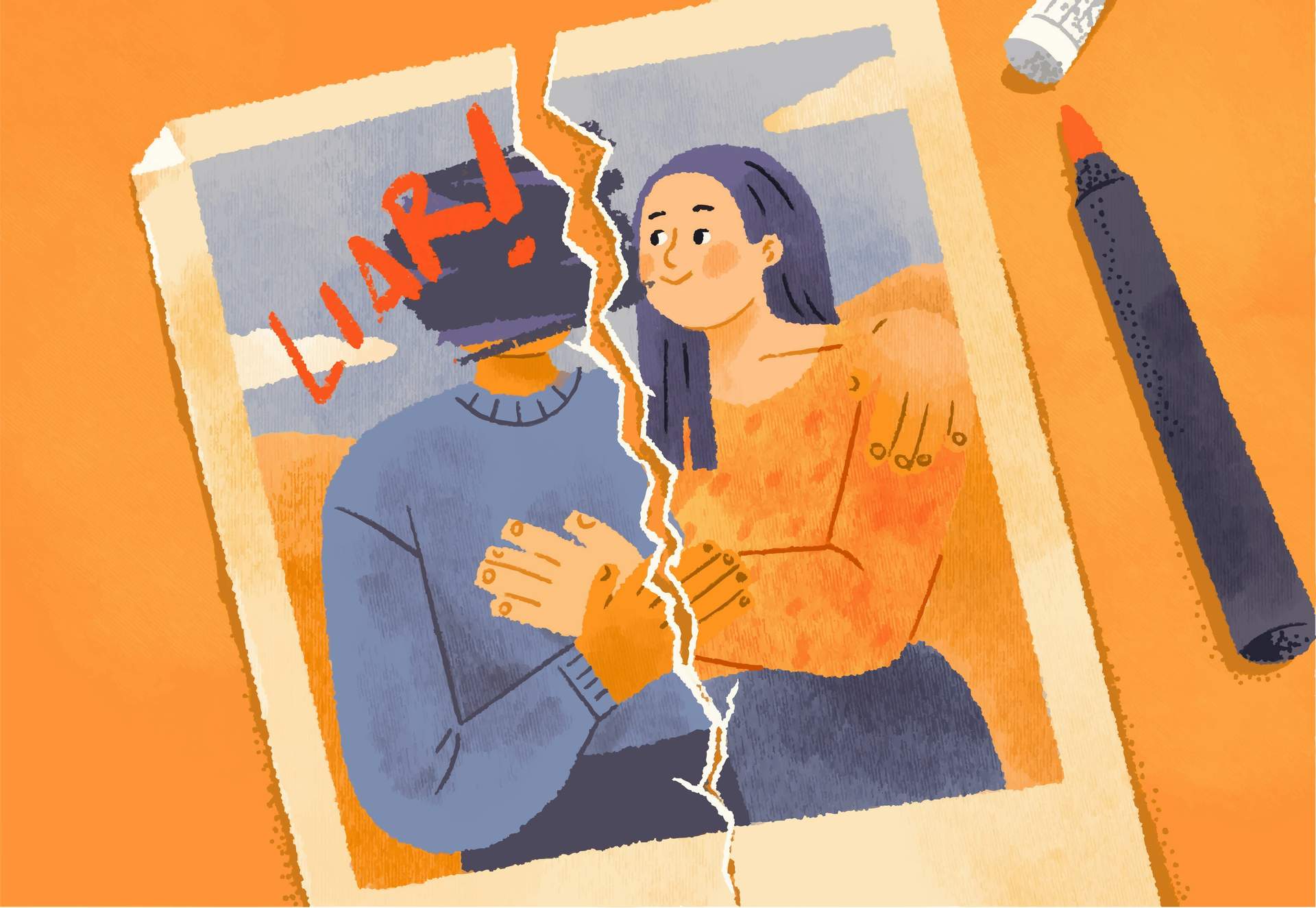
Imagine a scenario where you constantly receive negative feedback at work, live in a toxic relationship, or are overwhelmed by intensified negative thoughts about yourself.
Over time, these can turn into internal stressors that, like poisons, erode the stability of your emotional world.
Signs of Emotional Poisoning
Signs of emotional poisoning are often subtle and can be mistaken for other psychological or health issues, but there are clear clues worth noticing.
Constant Fatigue
One of the most common signs is chronic tiredness—feeling drained even after a full night’s sleep. This often stems from emotional stress quietly burning through your energy reserves.
Growing Anxiety and Depression
Anxiety and depression are clear signals that something deeper is off. While these feelings can come from many causes, with emotional poisoning, the person often can’t pinpoint why they feel constant inner tension.
This kind of anxiety is especially frustrating when you feel you’re doing everything right, but your results don’t reflect your efforts. It’s important to realize the issue might not be your performance, but your mental environment.
Physical Symptoms Are Also Common
For some, emotional poisoning shows up physically—stomach issues, persistent headaches, or other unexplained pains. These symptoms are physical expressions of emotional stress, and true relief often comes only after restoring emotional balance.
People often don’t realize how much their emotional state affects their body, or how deeply emotional poisoning can seep into their daily physical reality.
How to Avoid Emotional Poisoning
Living a healthy life based on self-reflection and self-awareness can help prevent emotional poisoning. It’s key to pause sometimes and ask yourself: Are the people and circumstances around me truly supporting my emotional growth?
Fostering a positive mindset and learning stress-management techniques like meditation or relaxation exercises are also great ways to stop emotional poisoning from developing or getting worse.
The Key to Change: Awareness and Action
The most important step is recognizing the problem. Once you’re aware you’re dealing with emotional poisoning, you’re just one step away from making the right changes. A healthy lifestyle, balanced relationships, and a supportive environment are essential for lasting emotional well-being.
Don’t hesitate to seek professional help if you need it. Psychologists and coaches can guide you toward deeper self-understanding and equip you with effective strategies to regain your emotional balance.