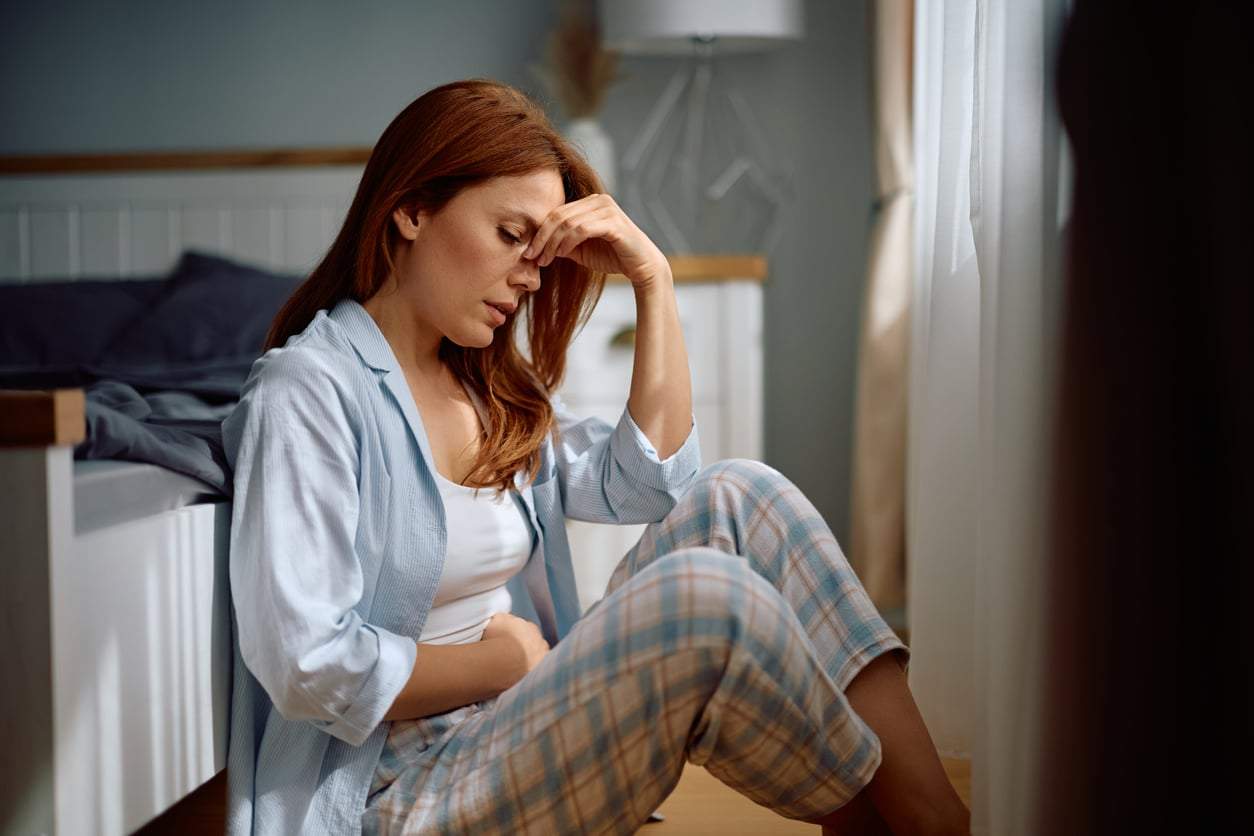
Experiences during menstruation can often be extremely varied, and every woman experiences this period differently. The length and intensity of the cycle, as well as the degree of associated pain, can fluctuate even from month to month. Several factors can influence these changes, including something you might not have suspected: many everyday habits can significantly increase menstrual pain and worsen your overall well-being during this time.
Excessive Caffeine Intake
Many people consider caffeine the key to staying awake, but few know that excessive caffeine intake can cause serious problems during menstruation. Consuming caffeine in large amounts increases feelings of tension, which raises nervous system activity. This can lead to increased stress levels, which in turn heightens pain perception—especially during menstrual cramps. Moreover, caffeine’s diuretic effect can cause dehydration, further worsening symptoms.
Unhealthy Diet
An unbalanced diet can also worsen menstrual pain. Frequent consumption of low-nutrient foods, such as fast food and sugary sweets, negatively affects blood sugar levels, causing mood swings and fatigue. Additionally, “bad fats” or excessive salt intake can increase abdominal bloating, leading to even more discomfort during menstruation.
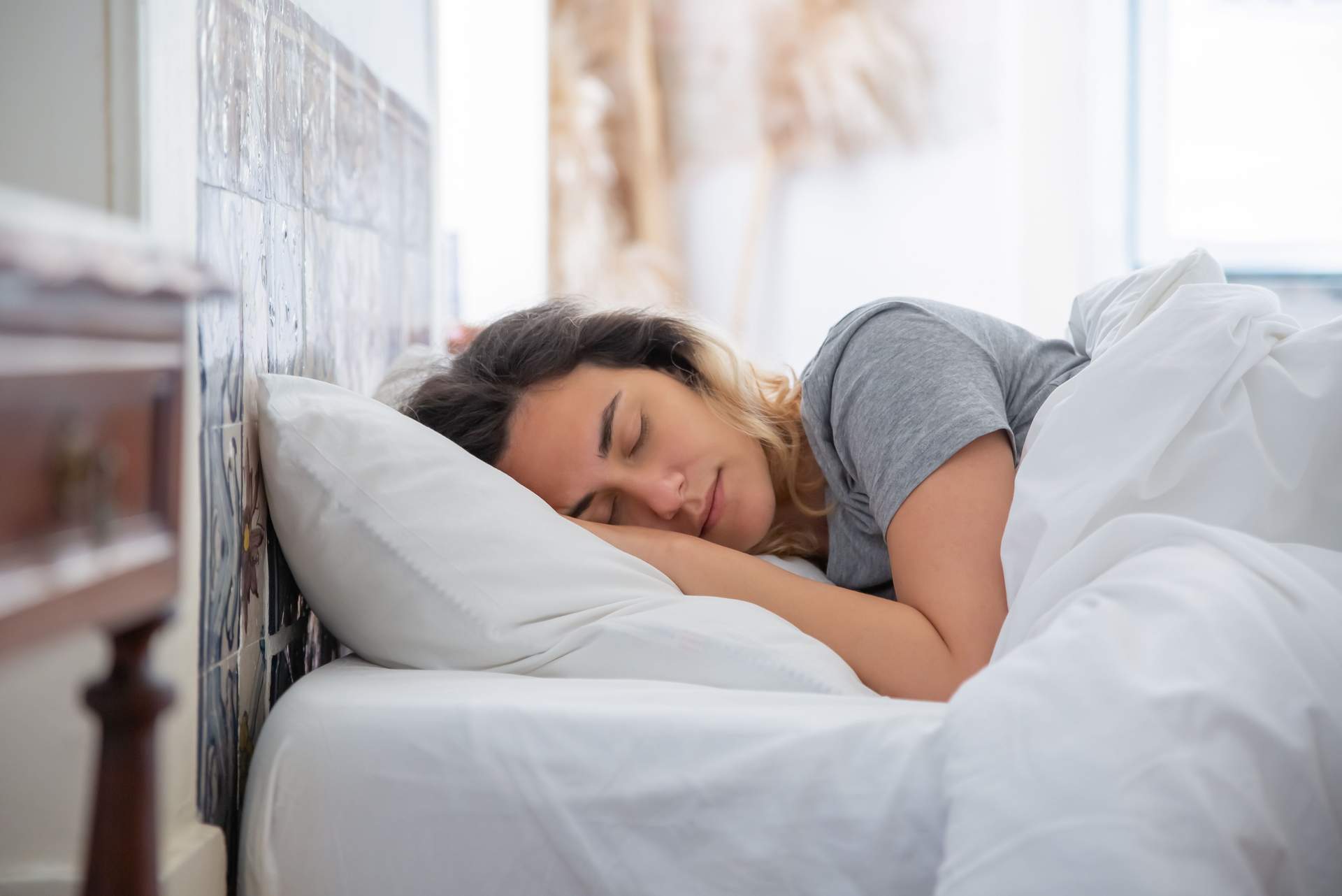
Irregular Sleep
Adequate sleep is fundamental for a healthy lifestyle, especially during menstruation. Lack of sleep or irregular sleep disrupts hormonal balance, which can directly affect your menstrual cycle. Cortisol, also known as the stress hormone, may increase during this time, intensifying pain and mood swings. At least seven to eight hours of restful sleep is essential in the days before and during menstruation to allow your body to properly regenerate.
Stress and Anxiety
Stress is a part of modern life, but it is important to keep it under control, especially during menstruation. Psychological stress significantly contributes to the intensification of menstrual pain. Hormones released in response to stress, such as cortisol, can amplify cramps and pain. It is important to find methods to reduce stress, whether through regular exercise, meditation, or other leisure activities.
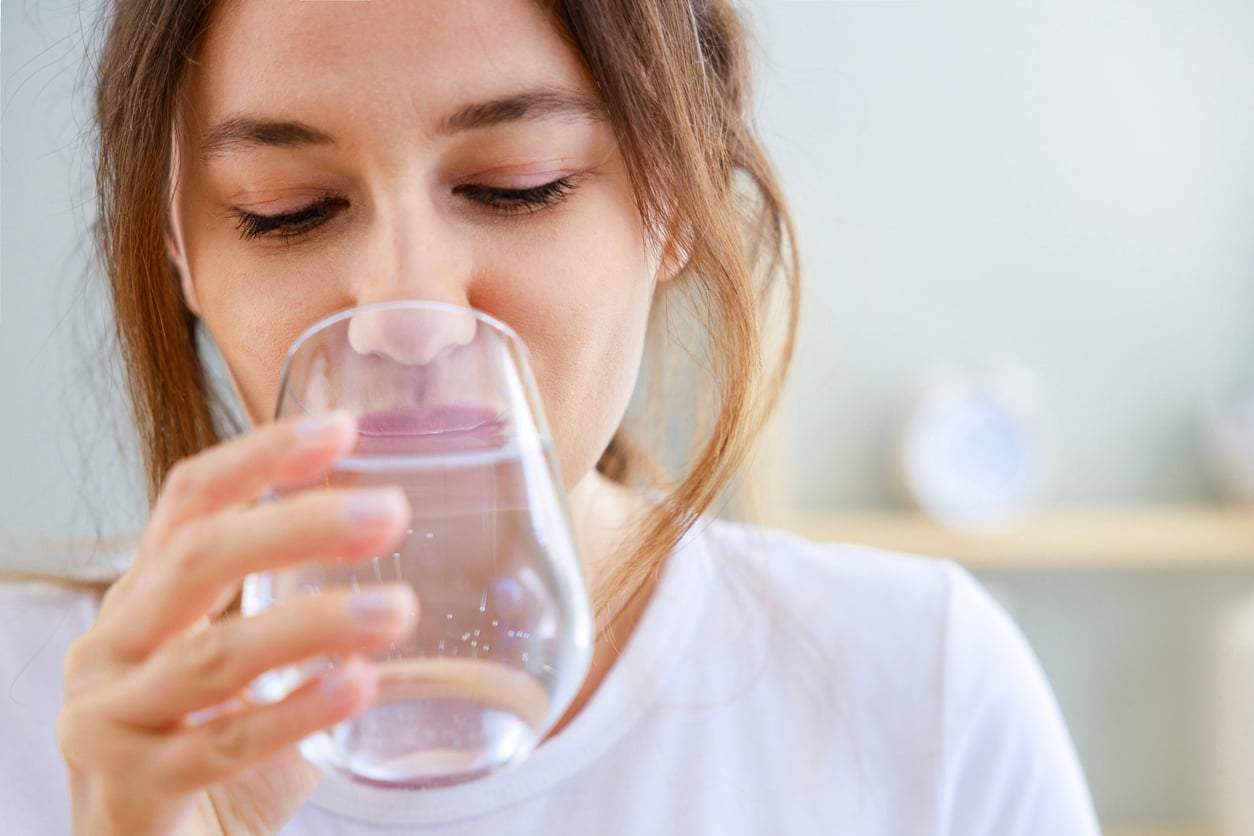
Insufficient Hydration
Last but not least, inadequate fluid intake can seriously affect menstrual pain. Lack of sufficient hydration leads to dehydration, which further worsens well-being during menstruation. The absence of fluids can increase pain perception and make cramps more frequent. Consuming at least one and a half liters of water daily is crucial for proper body function and to reduce the intensity of menstrual complaints.
Menstrual pain often undeniably causes difficulties, but conscious lifestyle choices can greatly alleviate it. It is worth reconsidering your daily habits, recognizing what might be harmful, and changing those habits that worsen well-being and increase pain during this sensitive period.