These technologies and methods not only protect your wallet but also care for the planet.
Solar Panels as a Passive Income Source
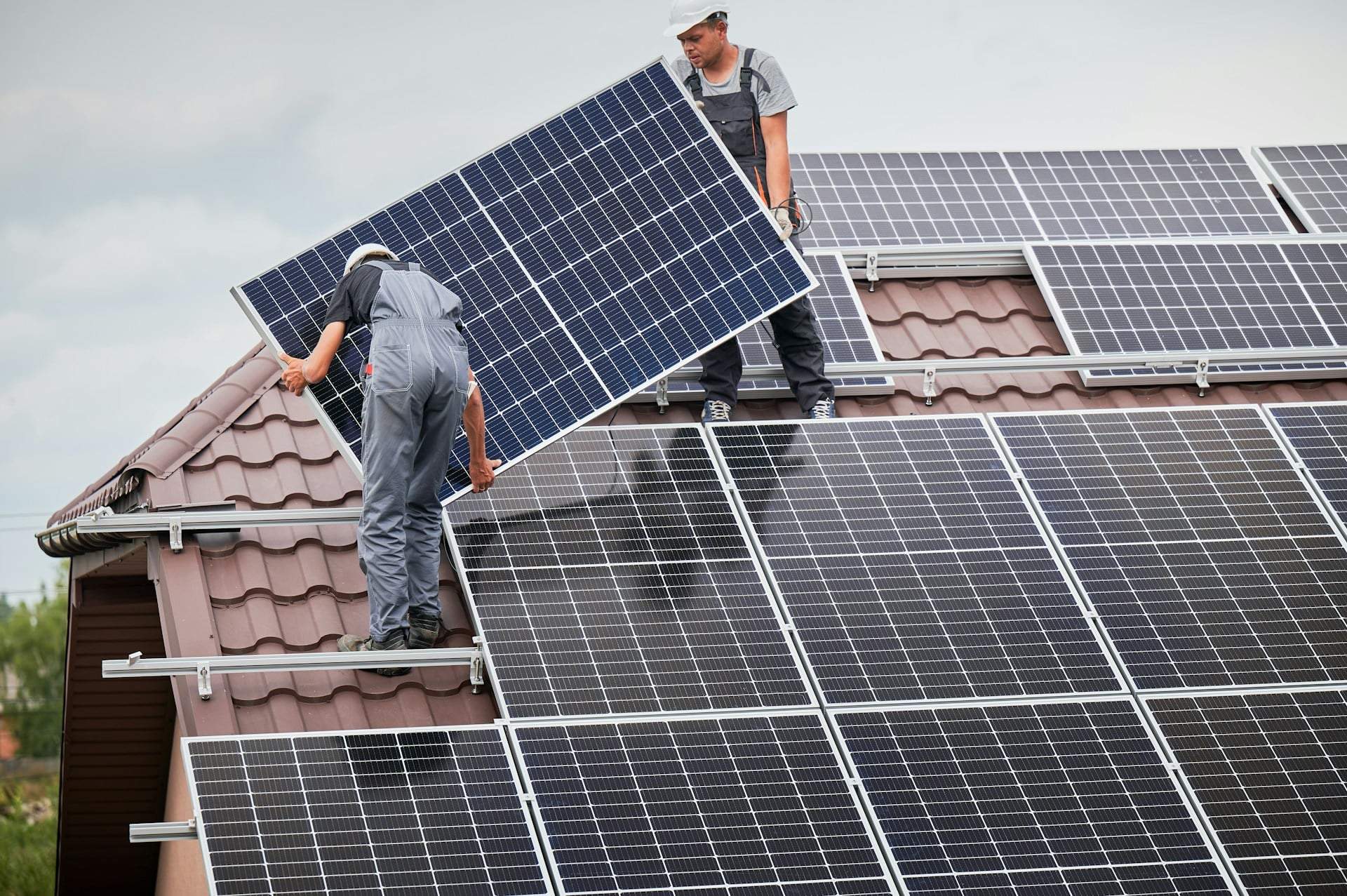
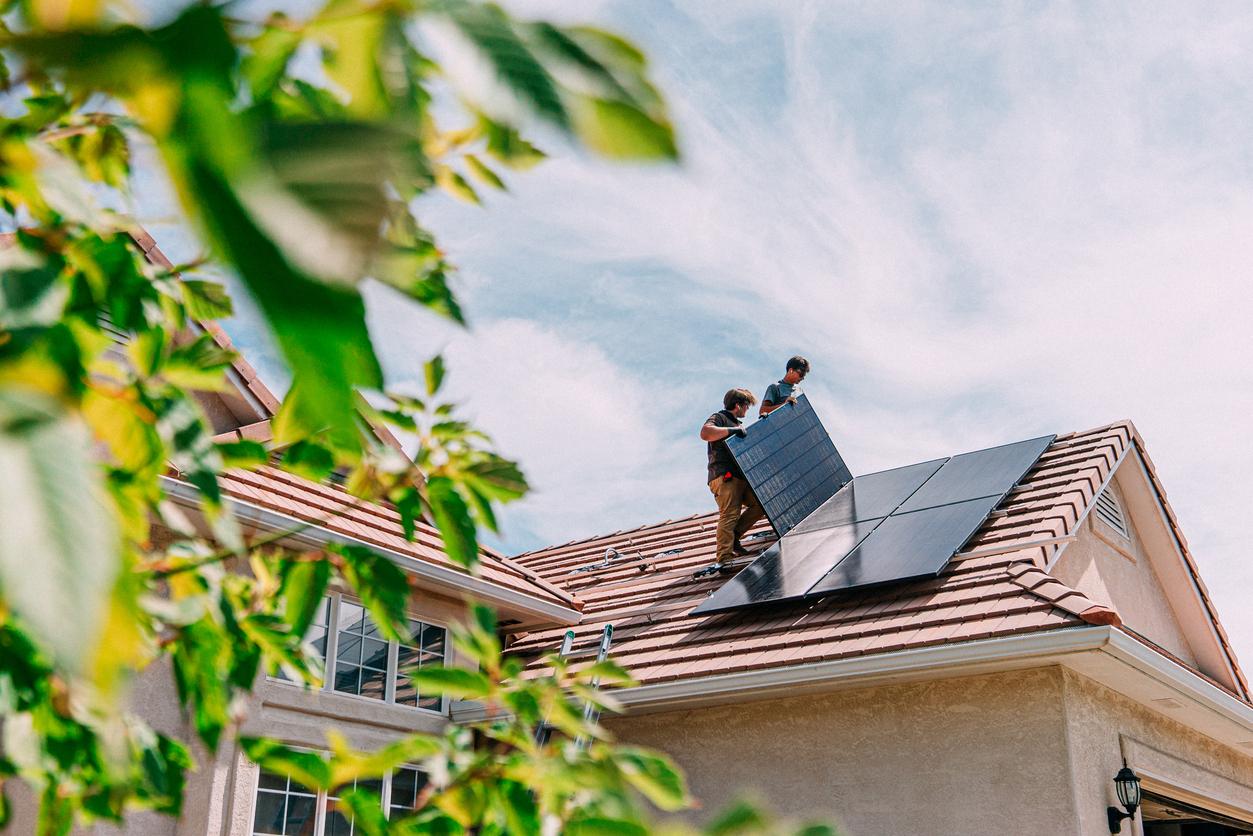
Solar panel systems are no longer new to the renovation scene, but by 2026 they’re becoming more popular for boosting home energy independence. Thanks to new tech, solar panels are more efficient, easier to install in flexible ways, and prices keep dropping. A well-planned solar setup can pay for itself in 10-15 years and then become a passive income stream, since you can earn money by feeding surplus energy back to the grid.
Integrating Smart Home Systems
The rapid rise of smart tech lets us run our homes more cost-effectively. By 2026, smart home systems will be affordable tools to optimize energy use. With these systems, you can track exactly how much power each device uses and adjust heating and lighting in real time. This means lower utility bills and a smaller carbon footprint over time.
Energy-Efficient Insulation Techniques
Energy-efficient insulation is key to saving during renovations. By 2026, innovative insulation materials will offer even better, longer-lasting solutions. These new materials excel at blocking heat and sound, boosting your home’s comfort. Modern insulation can cut heating and cooling costs by 30-40%, which adds up to serious savings each year.
Water Savings with Recycled Systems
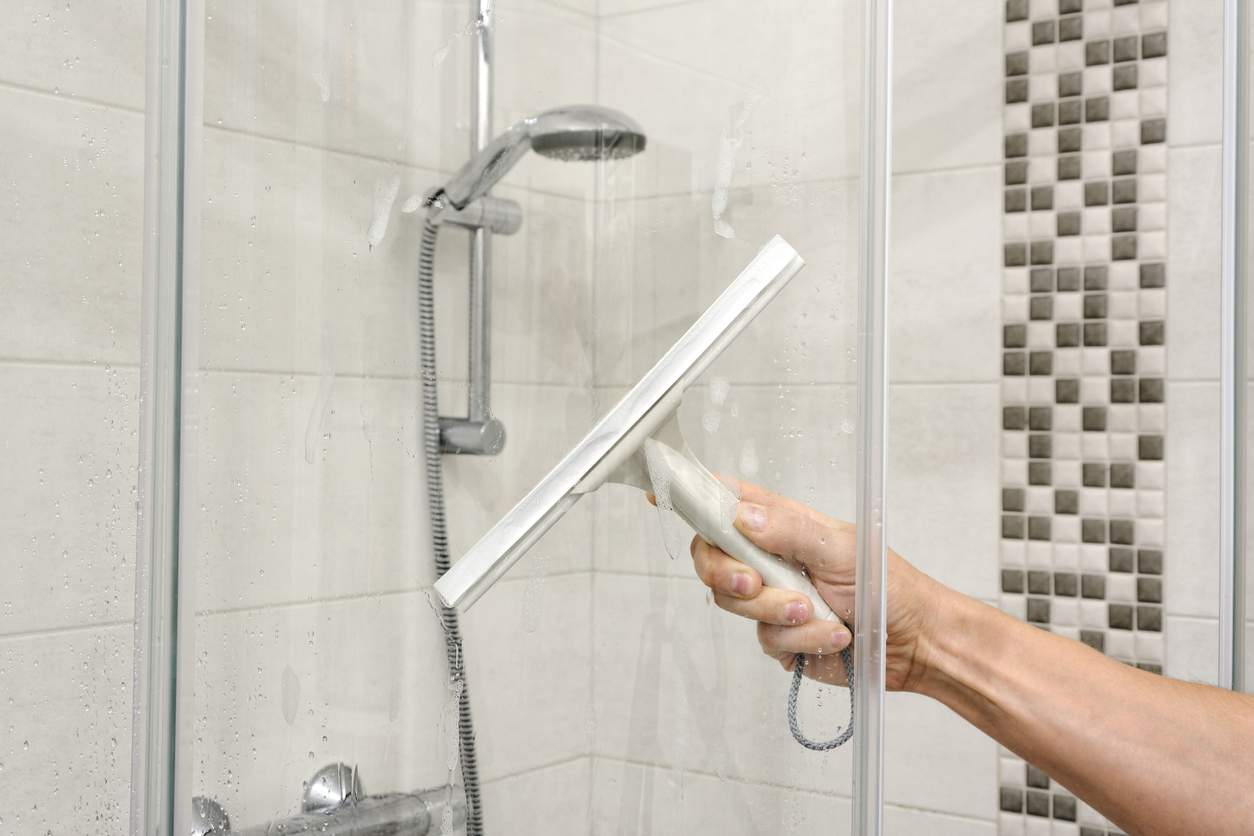
Water scarcity is a global challenge, so optimizing water use is a top priority for 2026 renovations. Smart water systems like rainwater harvesting have become much more efficient over the years. They help you save both water and money. Recycling rainwater lets you save a significant amount of drinking water, which you can use not only for watering gardens but also for flushing toilets and laundry.
Green Roofs and Walls: Bringing Nature Back
Green roofs and walls are gaining popularity in cities. They not only look beautiful but also offer serious savings by improving insulation. For example, green roofs can lower building temperatures, meaning less air conditioning and reduced energy use. Plus, they improve air quality and create a pleasant microclimate around buildings.