Recently, I’ve been seeing more and more abbreviations on social media that I like to call "life labels." SINK, DINK, or even DINKWAD?
Photos of couples traveling together, singles sharing their investments, and happy dog-loving households where the furry family member takes the place of a child. The words attached to these images seem trendy, but they actually raise important questions. What life path do we choose? How conscious are our decisions? And if we looked back with today’s mindset, would we take the same direction? Can all the experiences behind the scenes really fit into a label?
So, what do these abbreviations actually mean?
- SINK stands for Single Income, No Kids—someone who is single and has no children.
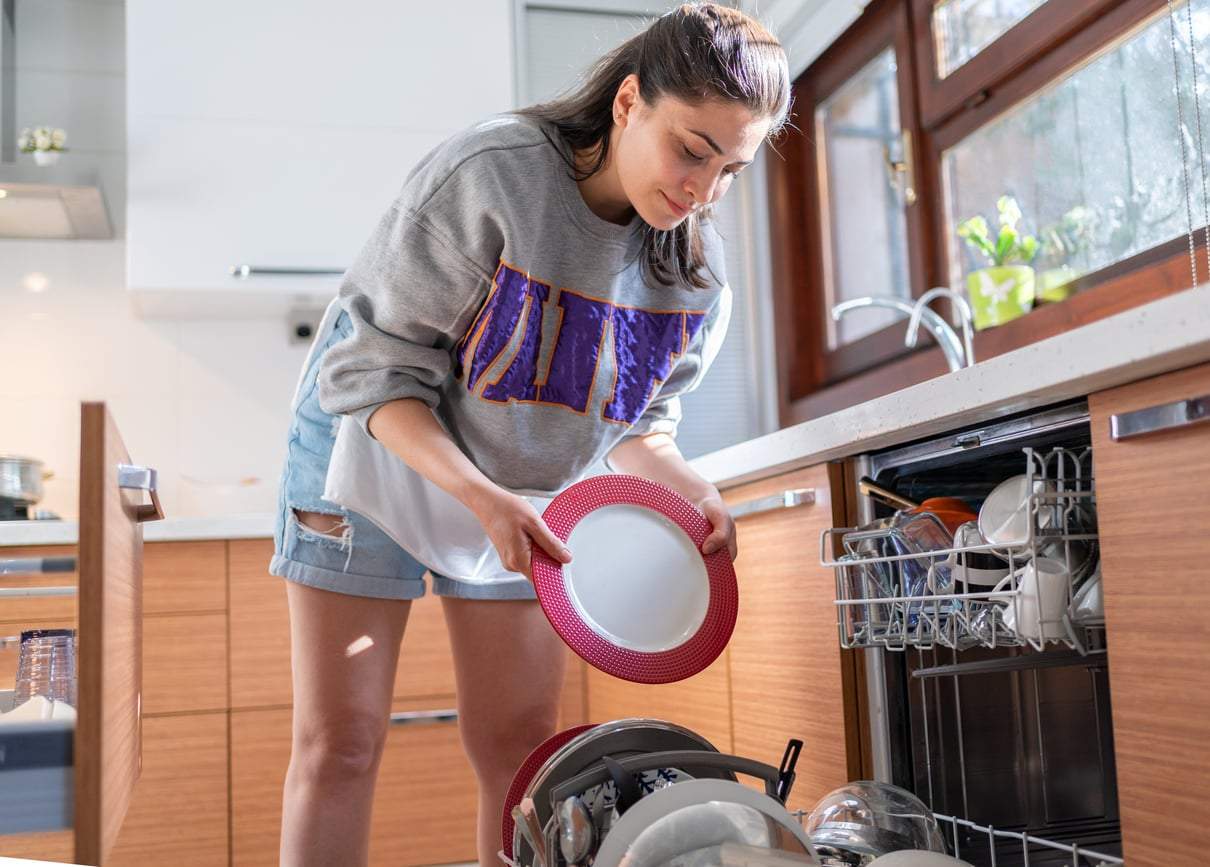
- DINK means Dual Income, No Kids—a couple with two incomes but no children.
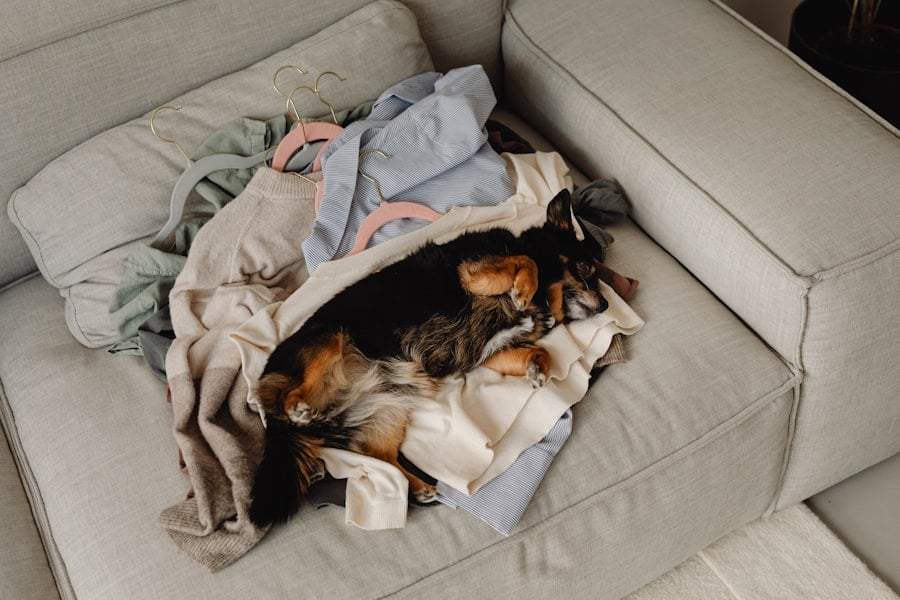
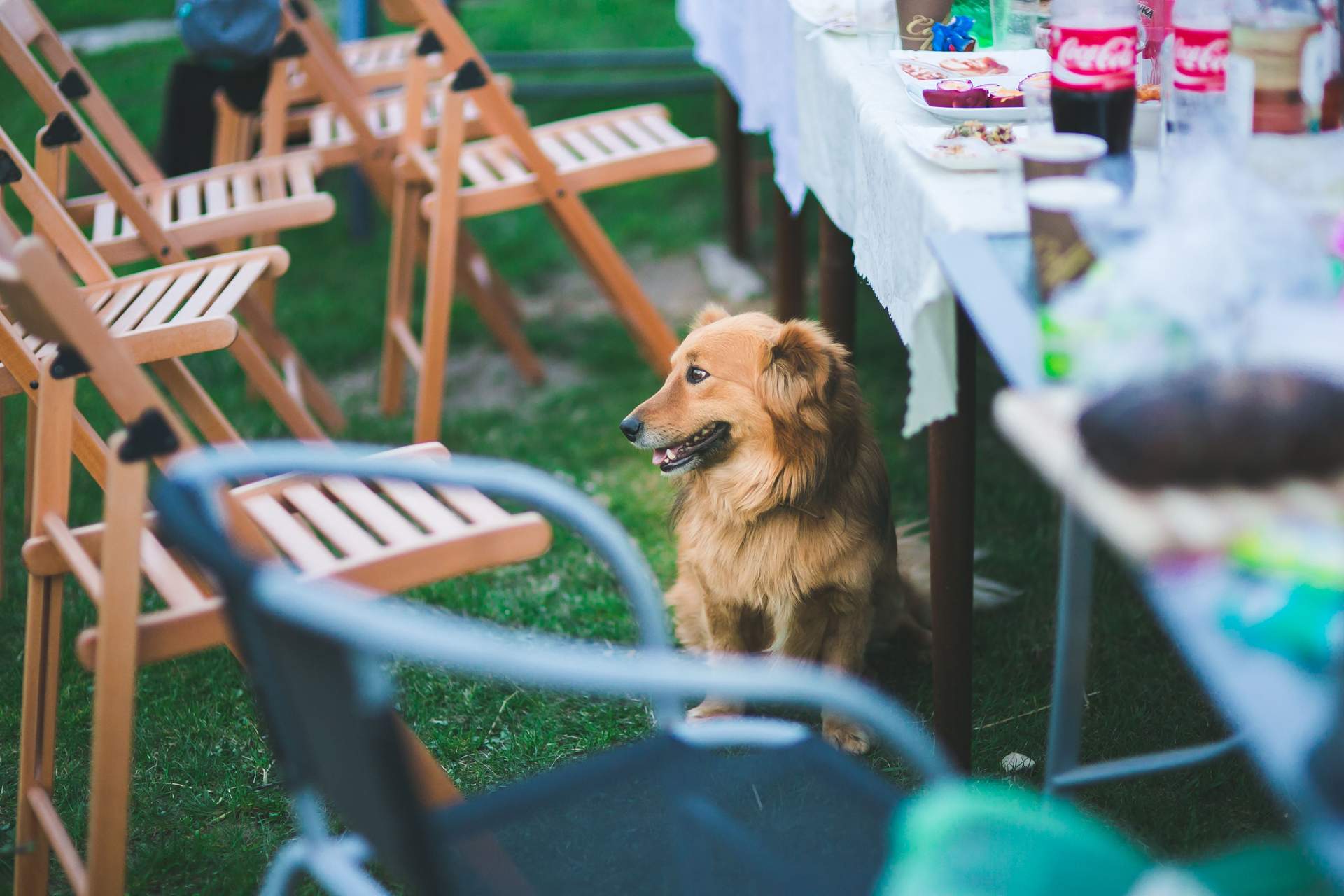
- Then there’s the playful DINKWAD: Dual Income, No Kids With A Dog, describing couples who choose a four-legged family member instead of kids.
But these acronyms aren’t just abbreviations—they reflect lifestyles, priorities, and values. They show how we live, what we focus on, and the choices we make around family, career, and leisure. Being SINK, DINK, or DINKWAD reveals a lot about the rhythm, freedom, and joys in someone’s daily life.

The Hidden Challenges of Our DINK Years
I was never really SINK myself because I met my partner quite young: I didn’t have my own income yet, was finishing high school, then faced college and weekend jobs. So over time—without really thinking it through or naming it—I became DINK (and later DINKWAD).
When people talk about being DINK today, many picture a carefree life: a cozy apartment, lots of travel, Sunday brunches, Netflix, and long mornings in bed. But that’s far from what we experienced and, I think, from what young couples today really face.
Our DINK era was mostly about working day and night. We belong to a generation that saw hard work as the foundation—no shortcuts to progress. We spent the best 10 years of our youth building something from scratch because our parents couldn’t support us at the start. We had to earn the money for growth, build our home, and secure our future.
Often, it felt like we were just one step away from burnout—not only was time scarce for life, but we also often worked thousands of kilometers apart.
That’s why I find it especially unfair and thoughtless when childfree people are labeled selfish. It’s not true that being DINK (or SINK) automatically means living in luxury without problems. Numbers tell a different story: a MarketWatch survey found that one-third of DINK couples avoid having children because living costs are too high. For many, postponing or skipping parenthood isn’t a choice but a necessity. The Hungarian reality confirms this even more: childlessness can’t be automatically linked to financial comfort.
For Us, Having a Child Didn’t Come at a “Convenient Time” Either
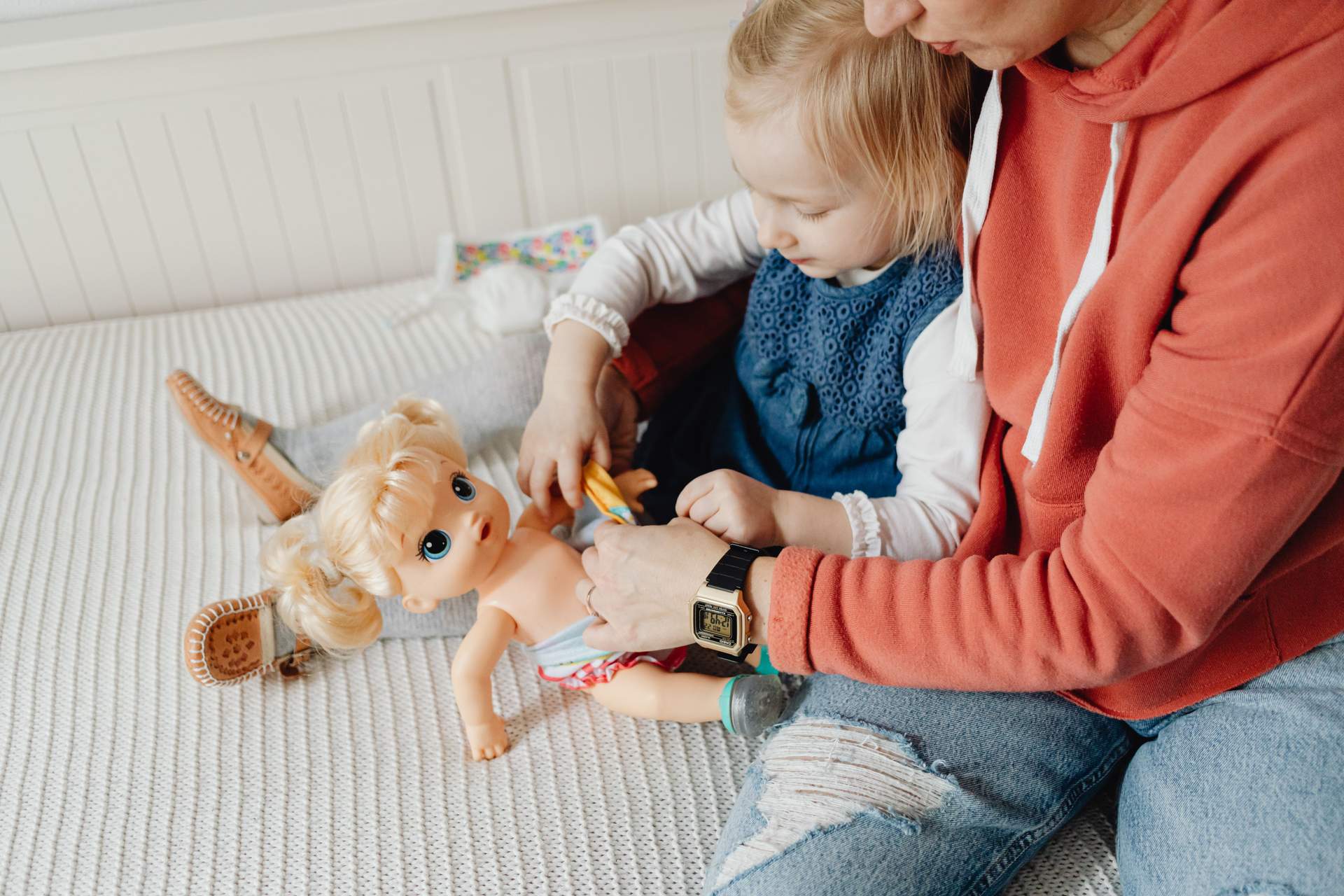
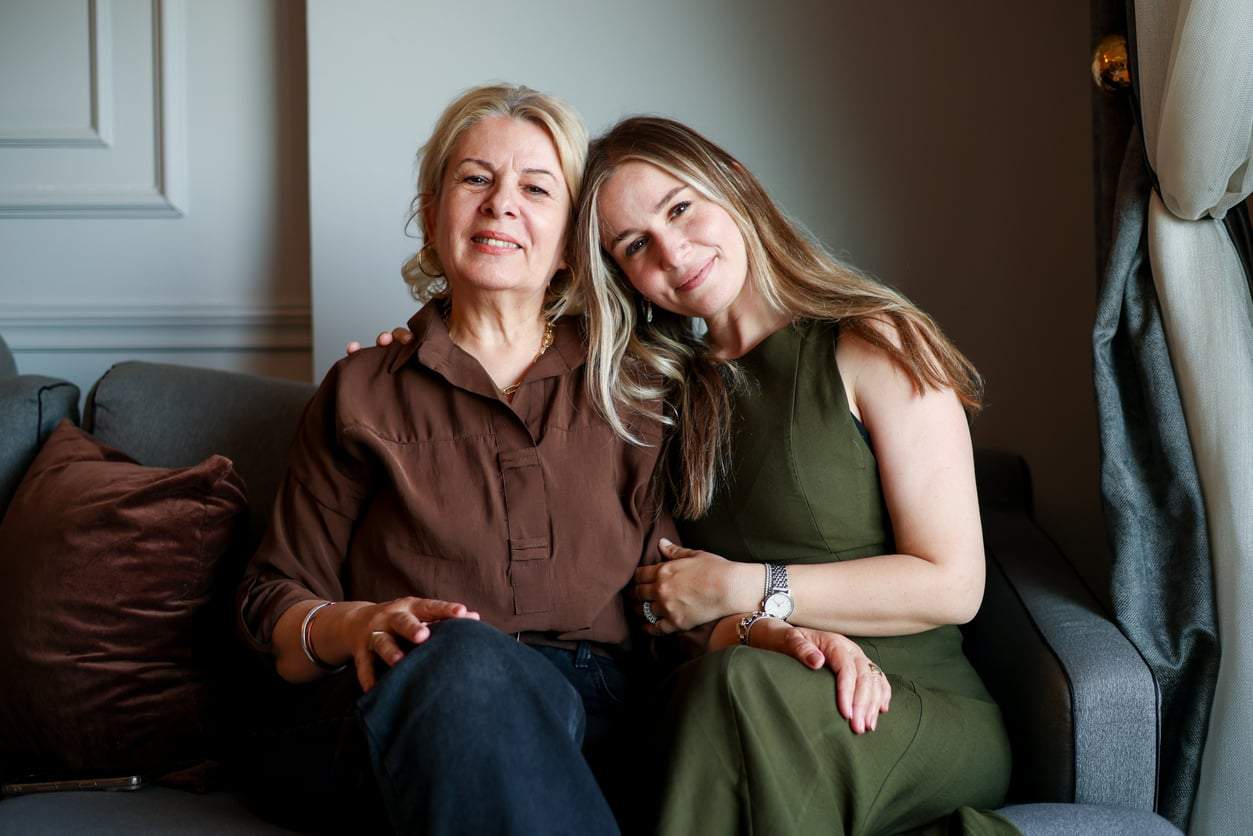
Our daughter was born amid home renovations and busy work schedules, bringing challenges like never before. Coordinating renovations with a child? Balancing overseas work and furniture shopping? I totally get why some say they wouldn’t take it on. It was truly a demanding time. But as it often goes, the toughest years brought the greatest gifts. Our shared projects didn’t just strengthen our relationship—they made us a team as a family and elevated our personalities to a whole new level.
Just as the biggest lows came unexpectedly, the hardest times ended quietly. Suddenly, we found ourselves living a life we never dared to dream of during our DINK years. Stability, peace, family: the constant overseas work was replaced by comfortable home offices, and expenses that once drained us turned into opportunities to reclaim what we had given up.
I know this isn’t everyone’s reality. Some come from different backgrounds, don’t meet their soulmate “in time,” have personal traumas to work through, or simply decide family isn’t for them. And that’s perfectly okay.
The Different Dilemmas of Generations
I’ve read a lot about how different generations think, and I’m sure we saw the world through a different lens than today’s young people.
For us, life naturally meant hard work, sacrificed weekends, and overtime. Today’s twenty- and thirty-somethings question this model more boldly and seek balance—and often, I think they’re right.
Maybe we could handle that pace back then, but it definitely took a lot of endurance and a bit of craziness. Now, I appreciate the present moment more and don’t believe self-exploitation is the only path to security—even if it worked for us. Especially since success is never guaranteed, and lost time can’t be recovered, even if we cross the finish line.
At the end of the day, SINK, DINK, or MOM labels are just boxes. They’re easy to use and judge by, but behind them are real people with their own stories, struggles, opportunities, and choices.
If I had to choose today, I’d choose motherhood again. Every phase had its own specialness, but for us, the present brings the completeness we always sought. Still, I never forget: every stage was necessary to get here. And each one is completely valid in its own way.