In recent years, interest in mental health and various neurodivergent conditions has exploded. On TikTok, Reddit, and podcasts, content about ADHD, autism, borderline personality disorder, and narcissistic behavior pops up nonstop. This is a great thing: finally, we’re talking about conditions that many suffered through silently and without support for decades due to misunderstanding.
We now have words for what used to be dismissed as "quirkiness," "scatterbrained," or "overly sensitive." Moving toward self-awareness and acceptance is one of the biggest cultural leaps in recent decades.
But like any positive trend, this one has its shadows. The hunger for diagnosis — the urge to name every pain, confusion, or annoyance — has slowly slipped into pathological labeling.
This is when not only professionals but everyday people start handing out labels — to themselves, others, often without expertise. Though the intentions are often innocent or self-protective, the outcome can cause more harm than good.
The Liberating Power of Self-Awareness
Let’s start with why this matters. A real diagnosis — made by a professional through thorough assessments, conversations, and tests — can change lives. Finally understanding that you’re not "lazy" but have attention challenges; that you’re not "too sensitive" but autistic; or that your relationships aren’t just "dramatic" but follow a borderline pattern — these realizations can be freeing.
It helps stop self-blame, teaches us to live with certain struggles, and empowers us to shape our lives more consciously.
It’s true many don’t get this far today. Public healthcare waiting lists are endless, and private care is often out of reach. So self-diagnosis can be a natural response to this gap: people seek something to hold onto, an explanation for why they function differently. A carefully and thoughtfully considered self-diagnosis can even be the first step toward self-awareness — as long as it’s understood that it doesn’t replace professional help, just points the way.
When a Label Becomes a Limit
The problem starts when the label becomes the focus instead of the diagnosis. When attention shifts from understanding to excuses. "I’m like this because I have ADHD." "I can’t help it, I’m borderline." "They’re just a narcissist, period." These phrases often become excuses — for ourselves or others. But a label never captures a whole person.
Psychological categories are tools: compasses to better understand behaviors, reactions, and patterns. But if we use a diagnosis as a shield or weapon, we lose the chance for self-reflection. Because if everything is blamed on an illness or diversity, responsibility disappears: no need to grow or change, since "this is just who I am."
Pathologizing Others
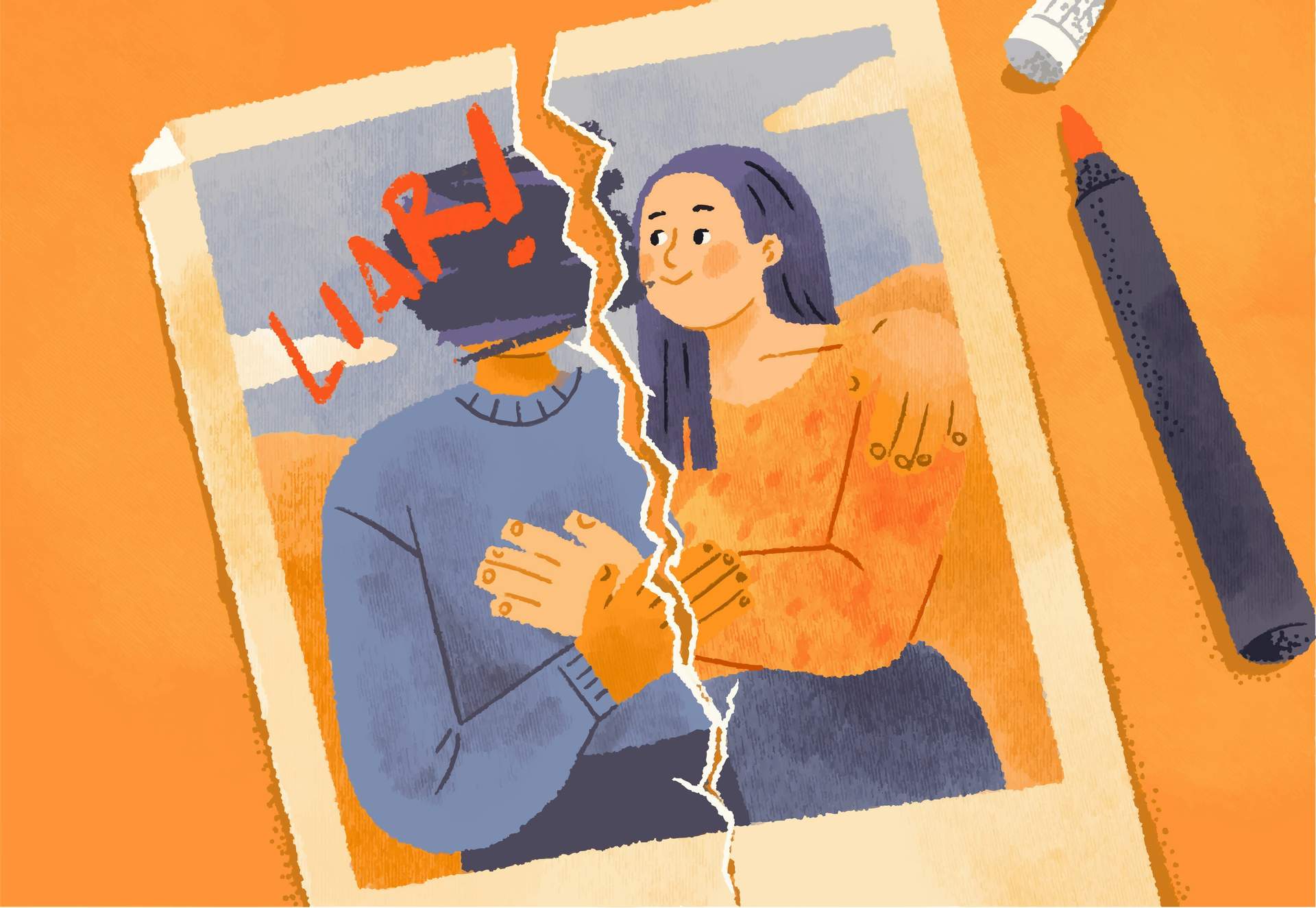
On social media, it’s become common to label anyone who behaves hurtfully or thinks differently as "narcissistic," "borderline," or "toxic." This kind of "couch psychology" is both risky and oversimplified. It stigmatizes people who may have no real personality disorder and distorts understanding of genuine mental health conditions.
If everyone is "narcissistic," then no one truly is — the word loses meaning, and so do the experiences of those with real diagnoses. Plus, constant labeling polarizes relationships: it fuels an "us vs. them" mindset and shuts down meaningful dialogue.
Balancing Knowledge with Humility
The democratization of mental health knowledge is a huge opportunity — but only if we approach it with humility. It’s great to read, research, and have insights — but remember: a diagnosis is a tool, not an identity. It can help us understand ourselves better but doesn’t define who we are.
True self-awareness isn’t about finding a label that fits, but understanding why it fits. And allowing ourselves and others to be more than a diagnosis.