The methods used in ancient times still amaze us today, as our ancestors tried to preserve their health and shape with natural tools. We are talking about a time when artificial substances had not yet infiltrated everyday life, and people called upon the world around them to maintain their bodies. One outstanding example of this is the three-day sample diet used back then, which was almost miraculous in its slimming effect.
The Pillars of Ancient Nutrition
We can imagine that for ancient people, every meal held more meaning than it does today. Eating was not only about satisfying hunger but also a kind of ritual during which they appreciated the gifts of nature. Their dietary habits were largely based on ingredients that were easily accessible, such as various grains, seeds, fruits, and vegetables. The diets used at the time heavily relied on locality and seasonality, and were free from the highly processed foods so common today.
Compared to today’s modern diet, meat played a less significant role in ancient times, although those who could afford it consumed fish and certain poultry more frequently. Additionally, dairy products such as cheese and yogurt were also central elements of meals. Exploring the culinary world of antiquity helps us understand the changes human nutrition has undergone over millennia.
Three-Day Sample Diet Inspired by Ancient Times
Imagine traveling back in time with a time machine to the ancient world, where we rediscover the timeless rules of eating. The following three-day dietary recommendation draws from the legacy of an era when human relationships and living in harmony with nature were more important than any other aspect. The example of the days below offers insight into how people ate a few millennia ago.
Day One
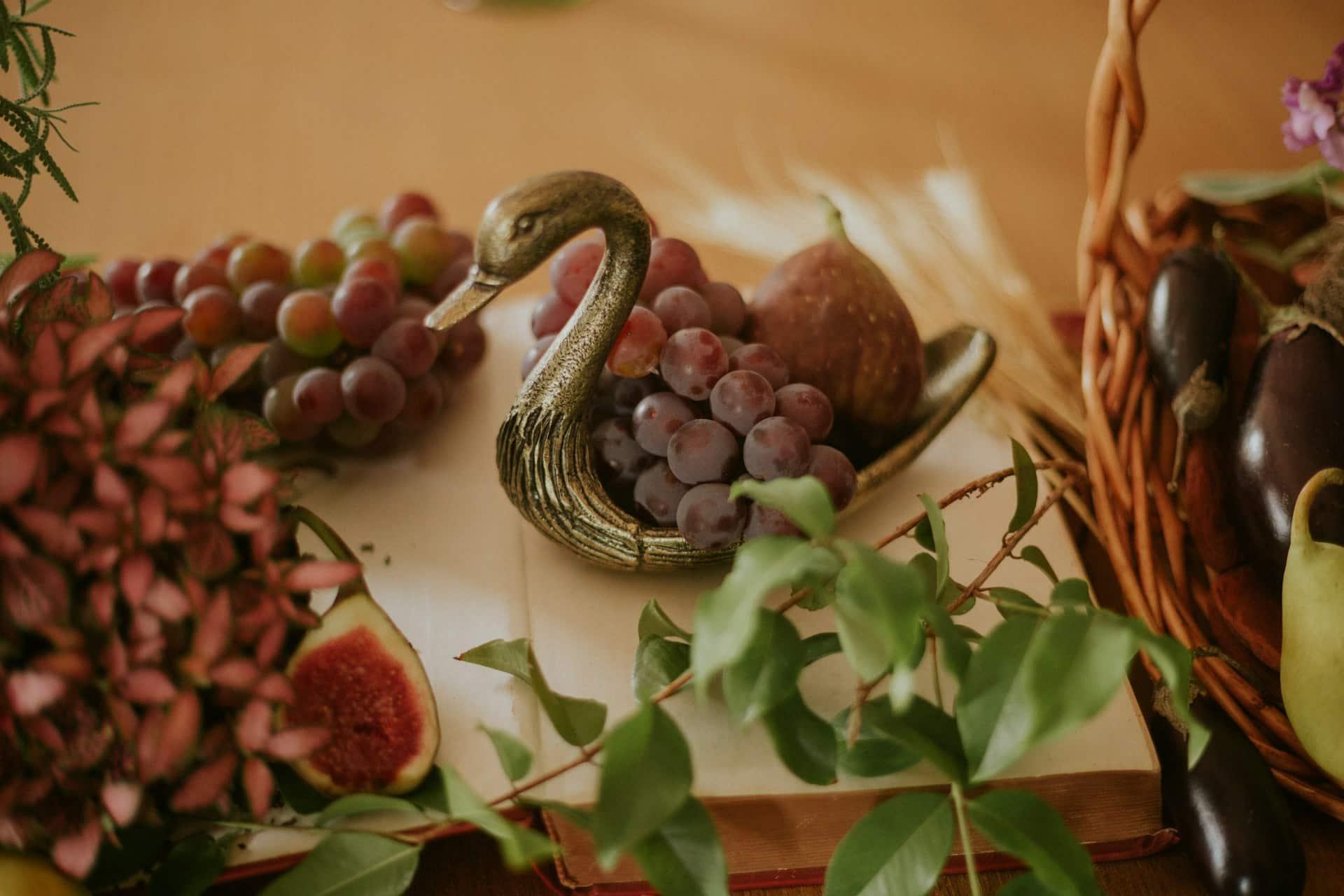
- Breakfast: Start the day with fresh fruits such as apples and grapes, along with whole grain bread for a simple and nutrient-rich beginning.
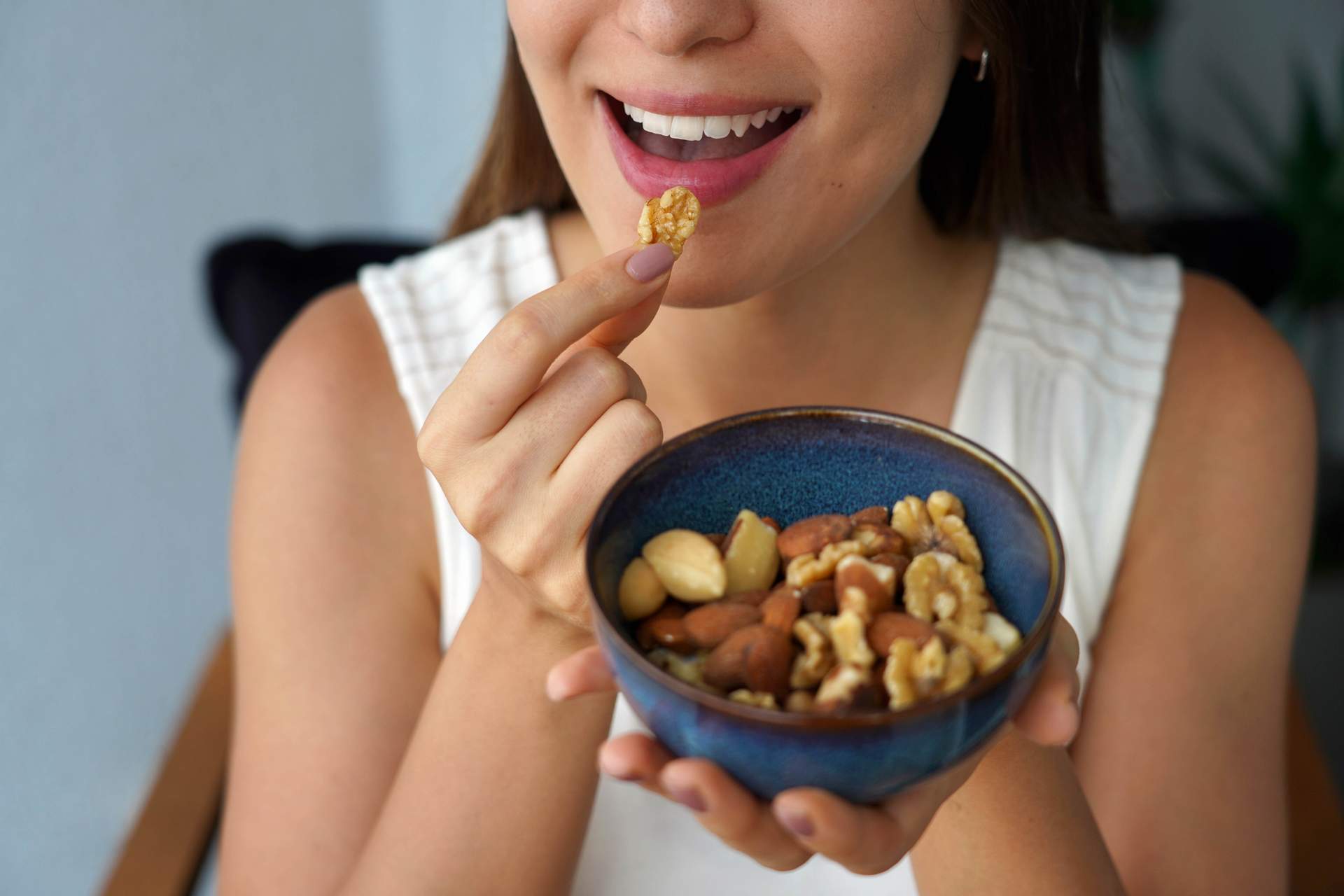
- Lunch: Salad made of mixed vegetables and seeds, such as walnuts and almonds, enhanced with a little olive oil dressing.
- Dinner: Light vegetable soup with lentils or chickpeas, served with a slice of whole grain bread.
Day Two
- Breakfast: Greek yogurt sweetened with honey, to which a few seeds are added to aid digestion.
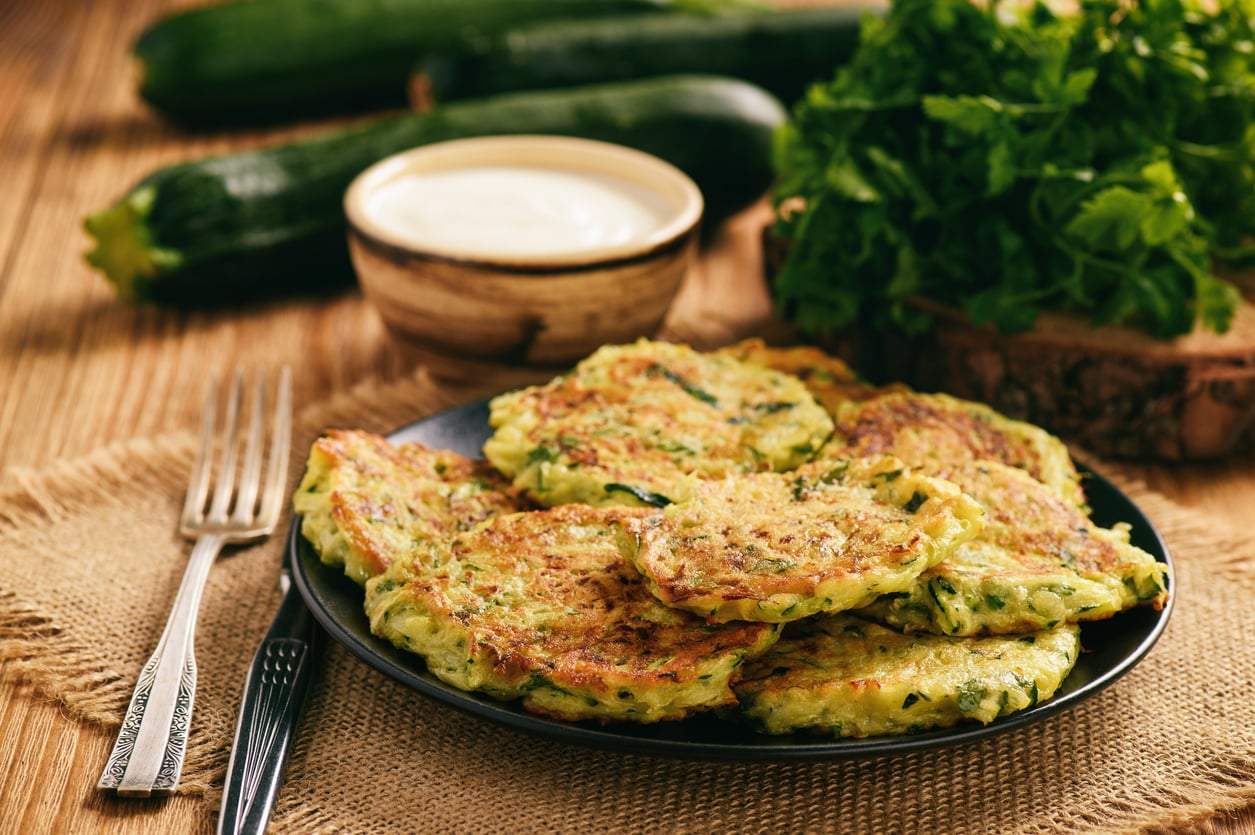
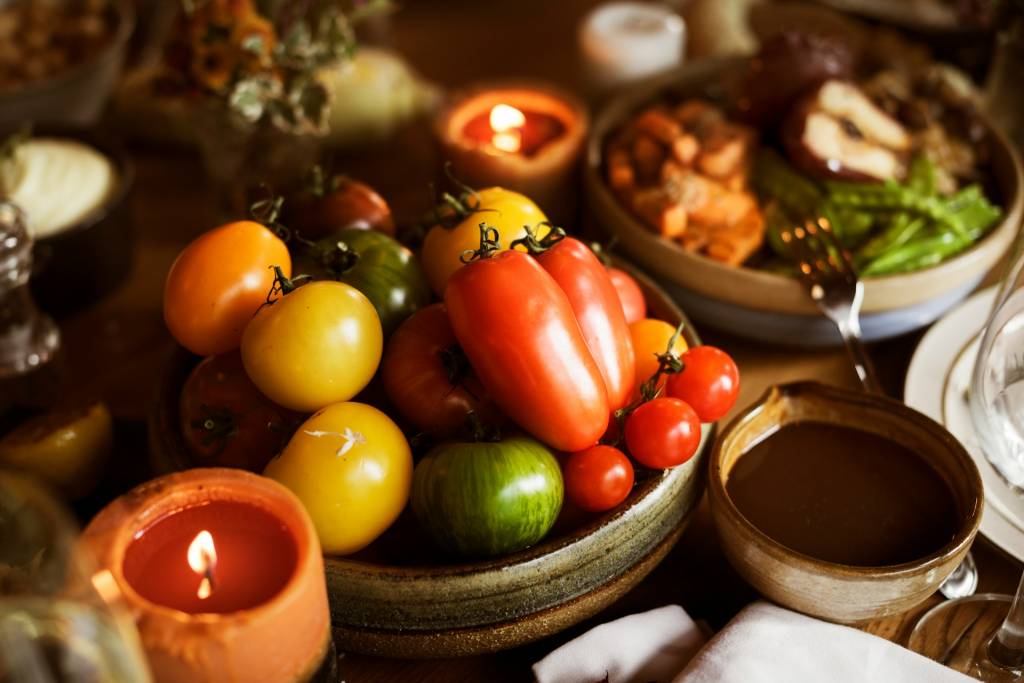
- Lunch: Quinoa salad with fresh tomatoes, cucumber, olive oil, and lemon juice to enhance the flavors.
- Dinner: Grilled vegetables and a small portion of sea fish drizzled with olive oil and fresh lemon juice.
Day Three
- Breakfast: Oatmeal poured with milk or a plant-based milk alternative, enriched with fresh fruits such as berries.
- Lunch: Spring rolls with vegetables and tofu, accompanied by a refreshing cucumber salad.
- Dinner: Mediterranean-inspired main dish, such as vegetable rice with fresh herbs, served with a slice of roasted eggplant or pumpkin.
The Impact of the Ancient Diet on Modern Lifestyle
The ancient sample diet serves as inspiration and offers many lessons for today’s diet planning. Beyond its naturalness and simplicity, which stand out from the modern lifestyle burdened by overly processed foods, it also highlights how important the choice of ingredients and the role of sustainable and local produce are for maintaining long-term health.
The diet drawn from the past, dominated by vegetables, fruits, and whole grains, is not only lower in calories but also contains many nutrients that can help optimize metabolism, remove excess water, and support detoxification processes. This type of nutrition can help us feel more energetic and manage our weight more easily in today’s challenging world.
The diet built on ancient traditions is therefore recommended for every modern woman who wants to regain vitality naturally while taking advantage of time-tested historical methods. Let us confidently turn to the heroes of the past so that our lives can be in harmony with both our environment and our bodies.