The scent of tonka bean is so enchanting and soothing that it completely disarms our caution. But just because it smells delightful doesn’t mean it’s harmless. Tonka bean lures you in like a siren’s song, but unlike those sailors who rarely escaped, we only need to use it sparingly. Its rich flavor makes this easy to do.
Valuable but Not Without Risks
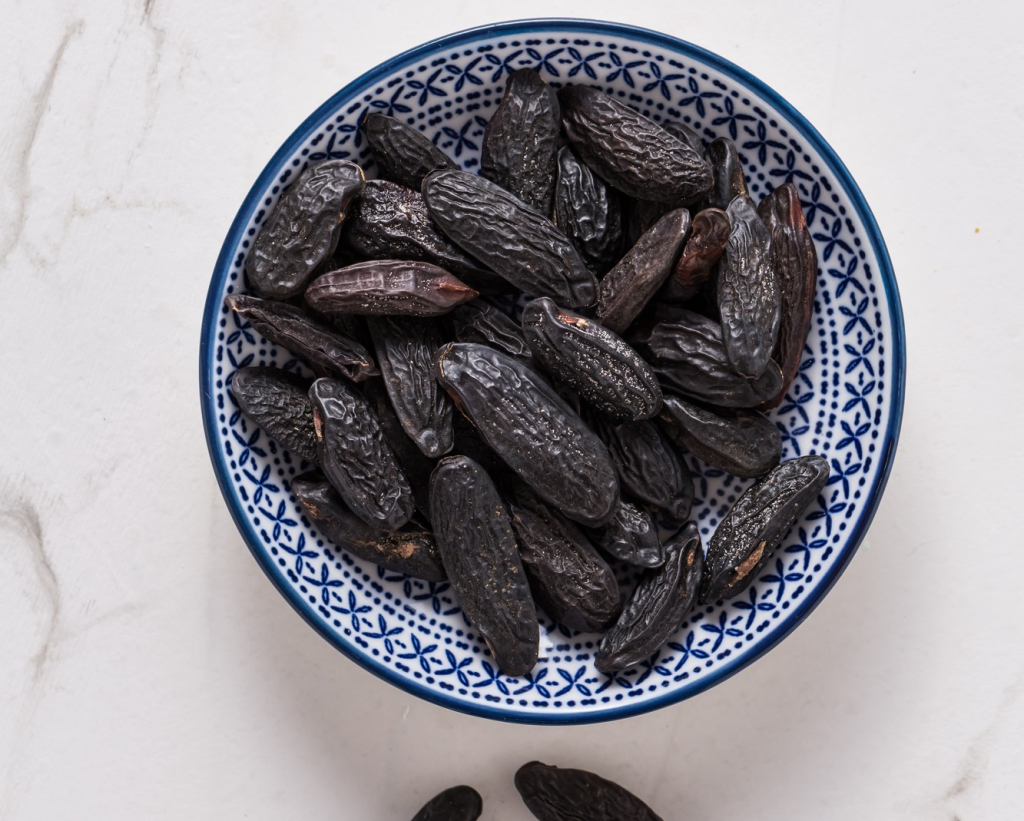
These brownish-black seeds, about 2–3 cm long, usually contain 1–3% coumarin, sometimes much more. This compound gives tonka bean its mesmerizingly sweet aroma that’s so satisfying to inhale deeply. However, because of coumarin, consuming large amounts isn’t safe—it can harm the liver, heart, and kidneys.
Coumarin, known for its blood-thinning, anti-inflammatory, anticancer, antibacterial, and antifungal properties, was independently discovered in tonka bean by Guibourt and Vogel in 1820. Later, a chemical derivative called 4-hydroxycoumarin was developed into the well-known anticoagulant warfarin.
A Gateway to a Fairy Tale World
Tonka bean’s scent evokes a magical storybook atmosphere. It creates a feeling of safety, carefree joy, and protection, fostering harmony and kindness. It lifts your mood by boosting happiness hormones, easing stress, and dispelling fear, sadness, anxiety, and grief. It wraps premature babies and shy little ones in an invisible shield, and offers the elderly and ill a comforting sense of care and attention.
A Touch of Luxury
Sensual tonka bean extract pairs beautifully with citrus and floral notes, and also blends wonderfully with vanilla and sandalwood. It’s perfect for both women’s and men’s fragrance blends. Most often, it’s used in luxury cosmetics and perfumes, featuring prominently in scents like Eaudemoiselle (Givenchy), Fleur de Chocolat (Molinard), Chloé Intense (Chloé), Tonkade (Laboratorio Olfattivo), La Vie Est Belle (Lancôme), Versace Pour Homme, and Armani Code.
Delightful Everyday Moments
This scent is complex and rich, hard to put into words. It carries an intimate warmth reminiscent of caramel, with hints of vanilla, sweet marzipan, and occasionally a subtle bitterness like cocoa or tobacco.
Give it a try if you haven’t yet—you’re unlikely to be disappointed, especially if you enjoy sweet, balsamic aromas. Just remember to use it very sparingly. Start by experimenting in your favorite recipes where you’d normally add vanilla.
Use it like whole nutmeg—grate just a little into dishes. A touch of tonka bean adds a magical aroma to simple recipes, so you can flavor baked goods, sauces, desserts, pralines, ice creams, syrups, and more. Here are a few quick and easy ideas you can whip up anytime.
Chocolate Cookies
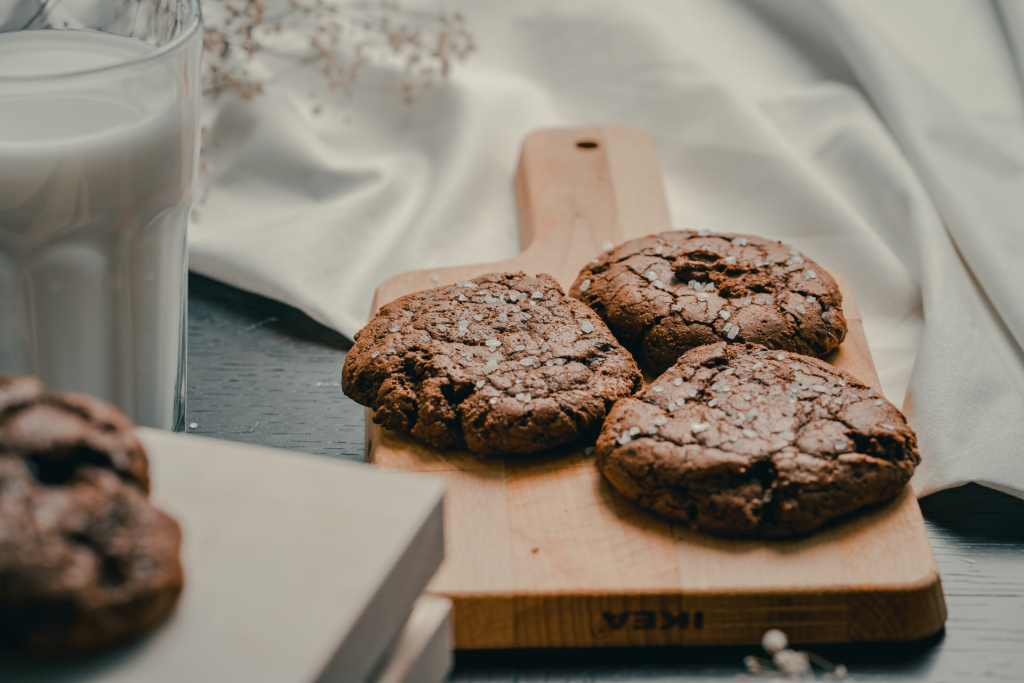
Beat two egg yolks with 125 g powdered sugar until fluffy, then add 150 g softened butter. Mix in 225 g flour, 7 g baking powder, 25 g cocoa powder, and half a teaspoon of grated tonka bean. Form a smooth dough ball; if it’s too crumbly, add 1–2 teaspoons of water. Wrap in plastic and chill for half an hour. Roll out between two sheets of parchment to half a centimeter thick, cut 5 cm diameter rounds, and place on a lined baking tray. Prick cookies with a fork and bake at 180 °C (350 °F) for about 20 minutes.
Banana Chocolate Cream
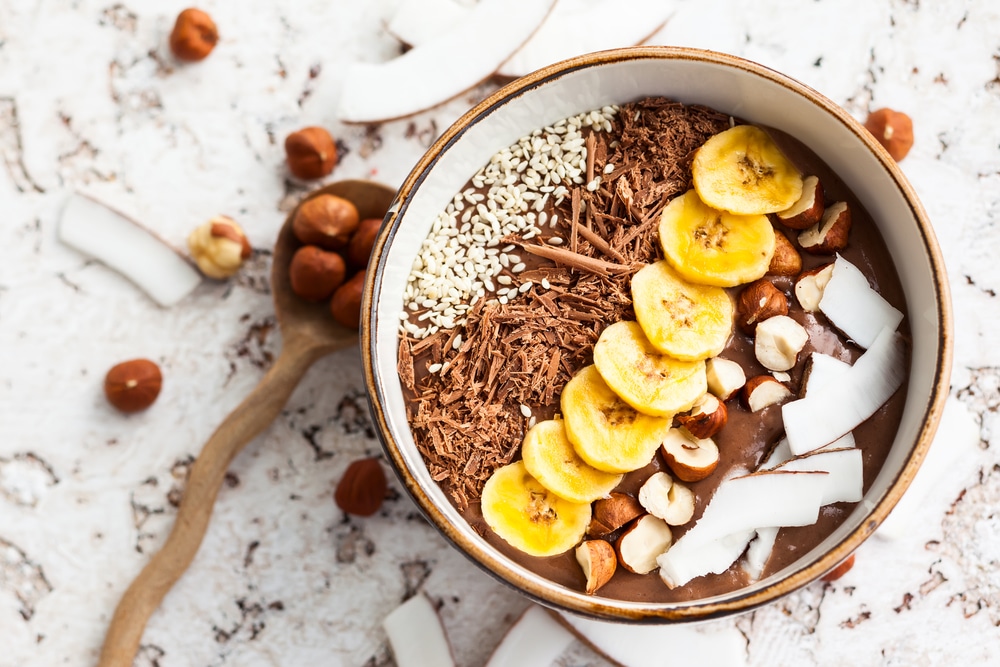
Blend 200 g ripe, soft banana until smooth, stir in a pinch of grated tonka bean and 100 g melted dark chocolate. Portion into small bowls and serve immediately.
Tonka Bean Yogurt Ice Cream
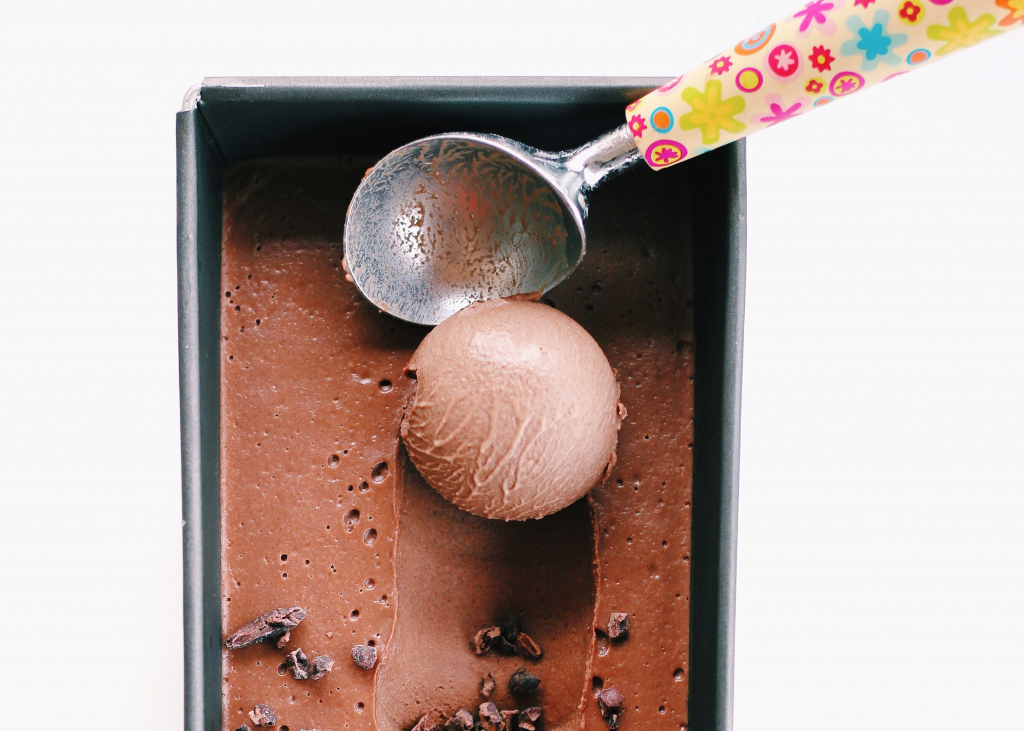
Mix 600 ml Greek yogurt with 150 ml heavy cream, sweeten with coconut flower syrup to taste, and grate in some tonka bean. Taste as you go to avoid overdoing it. Freeze in an ice cream maker or scrape into a container and chill uncovered in the freezer for 1–2 hours. Stir, then freeze for another 2–3 hours before scooping. Store leftovers covered in the freezer.
Tonka bean is simply irresistible—it can become a delightful addiction. You’ll see for yourself once you try it, or if you already have, you know exactly what I mean.