They sit quietly on market stalls and supermarket shelves, often overlooked in favor of their more familiar green or orange cousins. But purple vegetables — from eggplant and red cabbage to purple potatoes and beets — are quietly emerging as some of the most nutritious and environmentally friendly foods you can put on your plate.
And once you understand what makes them so special, it's hard not to want more of them.
The science behind the color
That deep, rich purple hue isn't just beautiful — it's a signal of something powerful happening inside the vegetable. The pigments responsible for the color are called anthocyanins, a type of flavonoid with impressive antioxidant properties.
Antioxidants help neutralize free radicals in the body — unstable molecules that can damage cells and contribute to chronic disease over time. Regular consumption of anthocyanin-rich foods has been linked to a reduced risk of cardiovascular disease, better vision, and even improved memory and cognitive function.
Purple vegetables also contain a wide range of phytonutrients that support different systems throughout the body, adding another layer of protection beyond what most standard vegetables offer.
Better for the planet, too
The benefits don't stop at the dinner table. Many purple vegetables are naturally hardier than their conventional counterparts, requiring fewer pesticides and synthetic fertilizers to thrive — which means less chemical runoff into soil and waterways.
Several studies have confirmed that these crops tend to demand fewer agricultural inputs overall, making them a genuinely more sustainable choice for farmers navigating the pressures of climate change.
Their adaptability is another advantage. Purple vegetables tend to grow well across a wide range of climates and conditions, and their natural resistance to pests and disease makes them a practical option for growers looking to reduce their environmental footprint without sacrificing yield.
A feast for the eyes — and the palate
Beyond their health credentials, purple vegetables bring something genuinely exciting to the kitchen. They transform an ordinary dish into something visually striking, and their flavors are anything but bland.
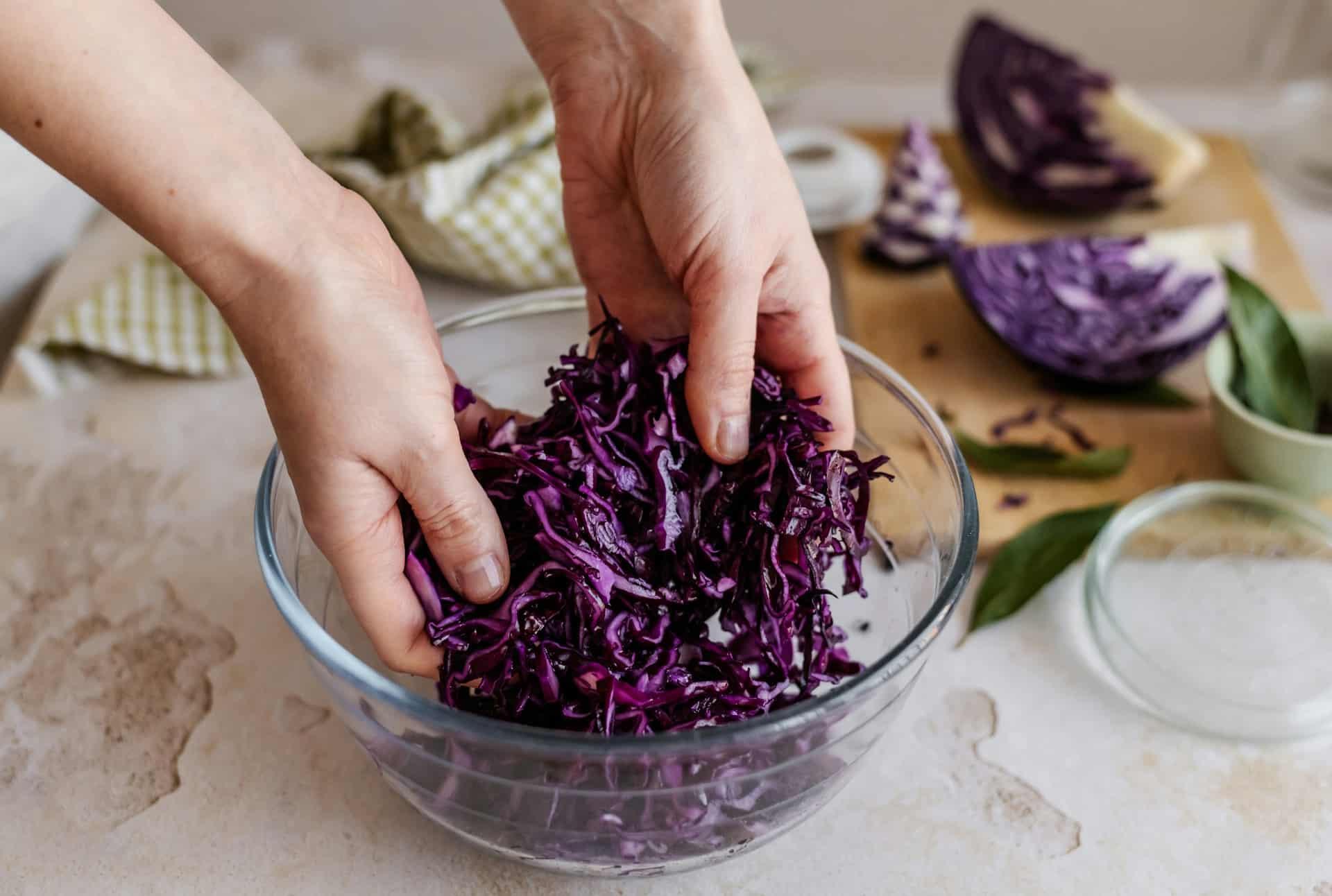
Purple carrots add a sweet, earthy depth to salads and roasted dishes. Red cabbage brings a satisfying crunch and a slightly peppery bite to slaws and stir-fries. Purple potatoes hold their color beautifully when roasted, making them as dramatic on the plate as they are delicious.
These vegetables are beloved in Mediterranean and Asian cuisines — and for good reason. Their versatility means they slot easily into everything from hearty winter soups to fresh summer salads, and they're increasingly inspiring chefs and home cooks across Europe and beyond.
How to get more of them into your diet
The good news is that adding purple vegetables to your daily meals doesn't require a complete kitchen overhaul. A few simple swaps and additions can make a real difference.
To preserve as many nutrients as possible, steaming or grilling is preferable to boiling — both methods keep the anthocyanins intact and let the natural flavors shine. Roasted purple sweet potato with a yogurt-based dip, a quick red cabbage slaw with apple and mustard dressing, or a warm beet and lentil salad are all easy starting points that feel special without being complicated.
The key is simply to experiment. Purple vegetables reward creativity, and their bold colors make even the simplest dish feel intentional and considered.
The food trend that's actually worth following
As more people look for ways to eat that are both better for their health and gentler on the environment, purple vegetables are perfectly positioned to become a staple of the modern diet. They're nutritious, sustainable, versatile, and genuinely beautiful to cook with.
Sometimes the best things really do come in the most unexpected colors. Your plate — and the planet — will thank you for it.