But I also know those who can’t say the same. Even as adults, they’re still trying to outdo each other.
We don’t want our little girl to have a sibling—and one reason is what we experienced growing up. My relationship with my older brother isn’t bad; we can count on each other. Still, sometimes we go weeks without talking and months without seeing each other—and neither of us minds.
The same goes for my partner, who had serious conflicts with his sibling as a child. He missed out on a lot because his parents were stricter with him, learning from how lenient they’d been with his older brother. So yes, I know the ideal sibling bond—a friendship stronger than anything—but I also know what it’s like when that connection feels empty or even harmful at times.
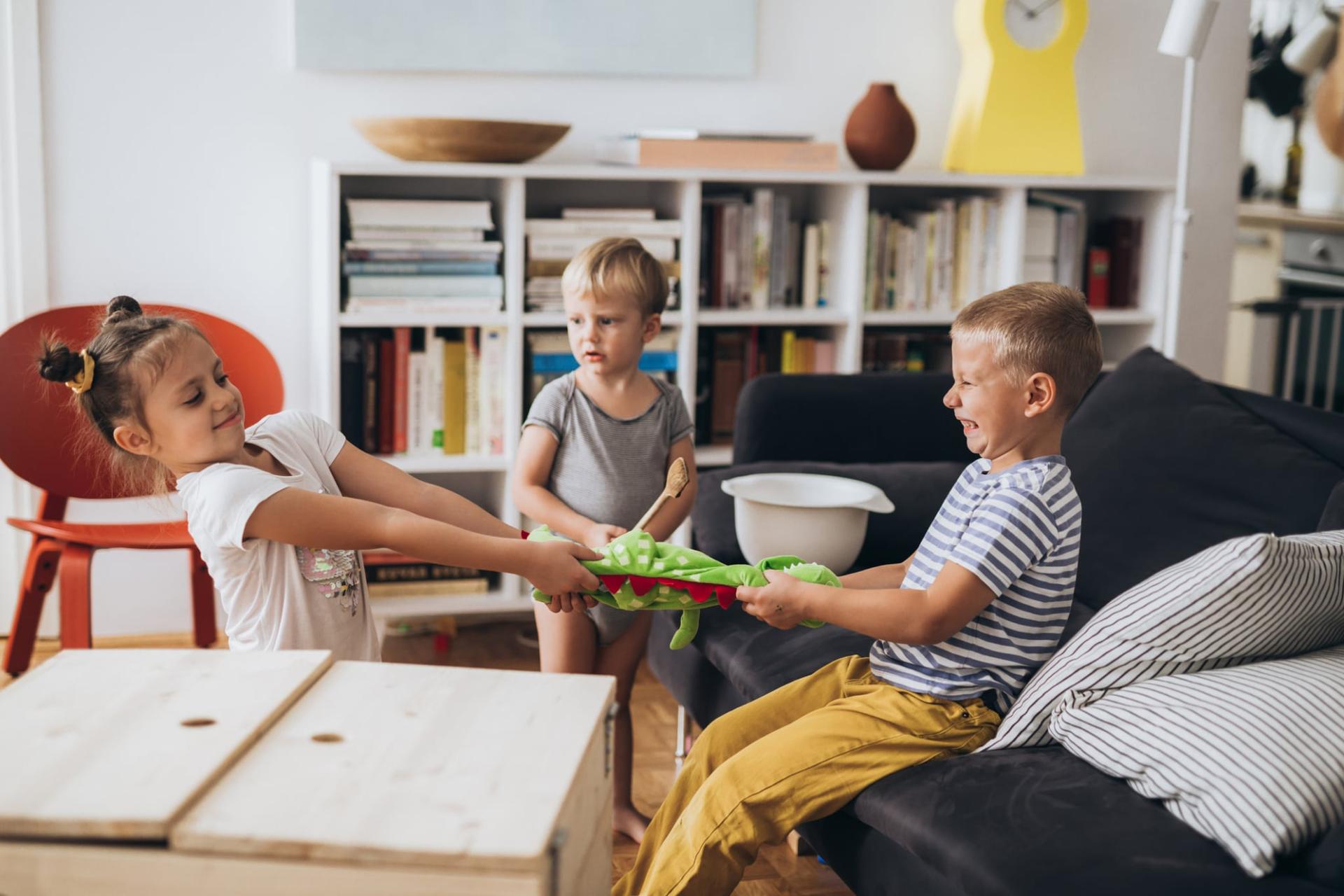
Rivalry is one of those things that can poison relationships, yet we often shrug off competition between siblings as normal. For a while, it is natural to try to one-up each other, but a new study shows that few actually outgrow this competitive streak.
A survey commissioned by NOW looked at 2,000 adults with at least one sibling and asked how they relate to each other now. Despite their age, 51% said they’re still trying to compete with their sibling.
So what are adults still competing over?
Of course, the reasons have changed since childhood. The survey found 26% compete over career achievements, studies, or work success, while 22% compete over home ownership.
Sadly, many don’t even bother to hide their intentions. Twenty percent openly admit to stirring up conflict, deliberately annoying their siblings by claiming they’re the family favorite.
Just as many focus on outdoing their sibling in the kitchen, caring deeply about what’s served at the table. Smaller groups compete over who vacations in cooler spots, drives a pricier car, or is the better parent.

For many adults, this isn’t news
Seventeen percent said rivalry has followed them their whole life, with every stage bringing a new need to compete. Interestingly, even more—43%—feel this competition heats up during holidays, including birthdays and Mother’s Day, not just Christmas.
Do older siblings have the upper hand?
The survey found older siblings tend to be more competitive and successful. Sisters stood out, with 15% saying rivalry didn’t hurt their performance—in fact, it motivated them to set bigger career goals. Twenty-three percent said they achieved their desired results.
Overall, 25% believe competition is a healthy part of sibling relationships. That means 75% think rivalry isn’t right. Jamie Schwartz, a NOW spokesperson, sums it up: “Sibling rivalry never really goes away, and many continue competing long after leaving the family home.”