
Bien Logo

Toxic People Literally Change How Your Brain Works – Here’s How to Protect Yourself

Isabella Reed2 min read
Share:
Toxic People Literally Change How Your Brain Works – Here’s How to Protect Yourself — Health
In this article

What Is a Toxic Personality?

Toxic people are often manipulative, selfish, and draining. They tend to focus only on their own interests, disregard others’ feelings, and create a negative atmosphere around them. The stress they cause can seriously impact mental health over time.

It’s common for these individuals to exert pressure on others to get what they want, ignoring the consequences. Those around them often feel exhausted, worn out, and undervalued.

How Toxic Behavior Affects Brain Function

Negative emotions and ongoing stress can literally reshape how our brain works. Excess stress hormones change neurochemical processes, which impact memory, problem-solving skills, and even mood.

For example, cortisol, released during the stress response, suppresses key brain functions needed for handling daily tasks effectively.

When someone is constantly exposed to stress from toxic people, their brain can undergo lasting structural changes.
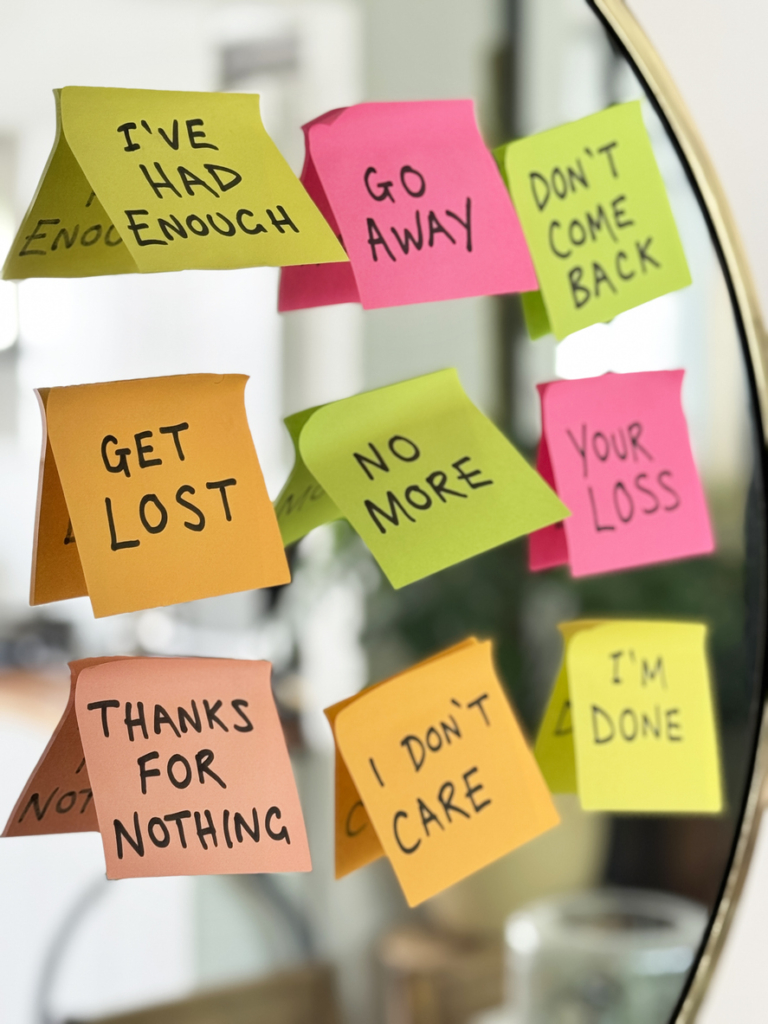
Post-it notes with messages stuck on a mirror

How to Spot Toxic People

Certain signs can help you recognize toxic people. Look out for these traits:

  • Constant complaining and never seeing the bright side.
  • Criticism of others, always focusing on faults.
  • Projecting their problems onto others and consistently playing the victim.
  • Manipulative behavior and emotional blackmail.
  • Indifference to others’ feelings or needs.

If you notice these signs, it’s wise to pay attention and start building your defense strategies.

Self-Defense Strategies Against Toxic People

The first step is awareness—recognize the situation and remind yourself that you don’t have to tolerate toxic behavior. These strategies can help you protect your well-being:

  • Set healthy boundaries: Define what you will and won’t accept, then stick to it consistently.
  • Don’t let them undermine your self-esteem: Remind yourself of your worth and strengths.
  • Keep your distance: Reduce contact when possible.
  • Seek support: Talk with understanding friends or a professional for advice.
  • Practice relaxation techniques: Methods like meditation or yoga can help lower stress.

Related reads

Why You Feel Guilty After Overeating — and How to Break the Cycle — Health

Why You Feel Guilty After Overeating — and How to Break the Cycle

Overeating happens to everyone, but the guilt that follows can make things worse. Here's what's really driving the cycle — and how to finally let it go.

Isabella Reed
6 Psychological Signs You’re Taking on Too Much Responsibility for Others — Health

6 Psychological Signs You’re Taking on Too Much Responsibility for Others

Constantly carrying others’ burdens can wear you down and harm your mental health over time.

Isabella Reed
Why "doing nothing all day" vacations leave you just as tired — and what actually works — Lifestyle

Why "doing nothing all day" vacations leave you just as tired — and what actually works

Lying around all day sounds like the perfect rest, but it often leaves you more drained than before. Here's why mindful rest changes everything.

Isabella Reed
Why intense exercise doesn't work for everyone — and your nervous system is the reason — Health

Why intense exercise doesn't work for everyone — and your nervous system is the reason

More effort doesn't always mean better results. Science shows your nervous system plays a huge role in how your body responds to high-intensity training.

Emilia Grant
The modern rest paradox: the harder you try to unwind, the more exhausted you feel — Lifestyle

The modern rest paradox: the harder you try to unwind, the more exhausted you feel

We have more ways to relax than ever before — yet millions of us feel chronically drained. Here's why trying too hard to rest is actually making it worse.

Inez Foster
I stopped reaching for my phone every morning — here's what it did to my mental health — Health

I stopped reaching for my phone every morning — here's what it did to my mental health

Giving up my phone for the first hour of the day felt small, but the impact on my mood, focus, and mental health was bigger than I ever expected.

Deborah Clark