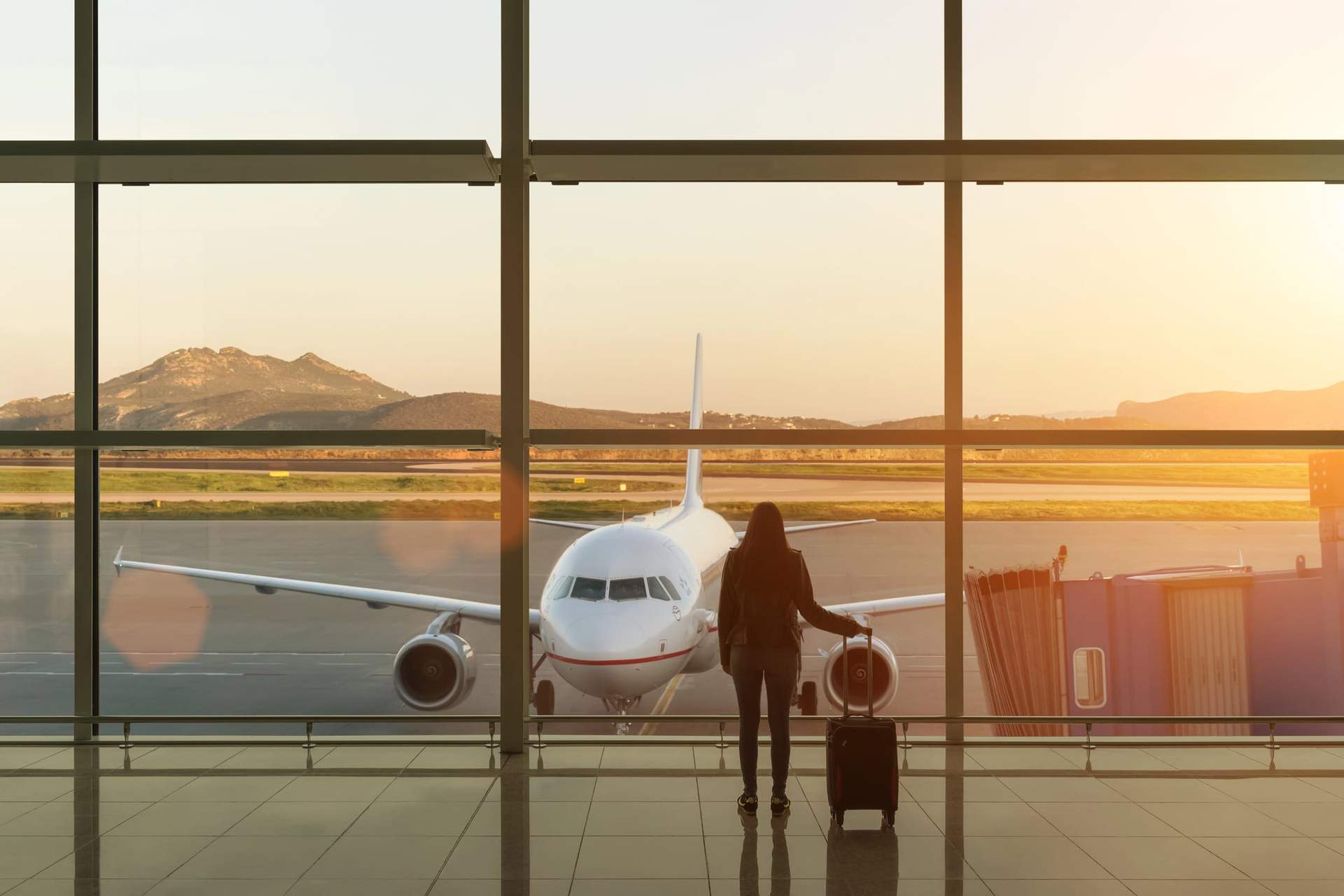
As a kid, travel was a rare, special event. Maybe one vacation a year, usually to familiar spots close to home. Back then, world travel wasn’t trendy or easy. You needed a passport, sometimes permits, and lots of planning. Travel was a luxury, not a lifestyle.
Learning to Arrive, Not Just to Depart
As a teenager, I joined more and more bus trips—sometimes with family, sometimes school—and each time, my world felt a little bigger. I worked all summer just to be able to hit the road at the season’s end.
I still remember how proud I was when I used my own saved weekend job money to get to Copenhagen.
Later, my partner took a remote job abroad, making travel part of our everyday life. While I studied, wrote my thesis, or started online work, I often joined him. Sometimes we spent months in an Arab country, other times long weeks in the middle of nowhere in southern Italy, Bosnia, or near the Dutch border. I experienced firsthand how different it is to live somewhere than just visit as a tourist. You learn to adapt, be cautious at times, understand how people live, what they’re proud of, and what matters to them.
Of course, there were times when travel felt more like work than pleasure. We worked six days a week, with only the seventh free. Sometimes we had to choose: go home to family or hit the road to explore something nearby? No matter how tired we were, we often chose adventure—and looking back, I’m proud of that choice.
Then Came the Slowdown, for Which I Wasn’t Fully Prepared
Over time, everything changed. We started a family, got a dog, and travel became less frequent—at least for me. Preschool came, then the pandemic, and suddenly life slowed down dramatically. But the silver lining was that instead of thousands of kilometers apart, we’re now just a meter away—both working together at the same big table, from home.
At first, the "stillness" felt strange. I missed new impressions and the excitement of a next destination or project waiting in line.
But over time, I realized: with some planning, for the first time, it’s not work or circumstances that decide when and where we travel. We decide. And the best part? It’s not our livelihood or renovations draining our money, but the experiences we choose.
This Became Our New Kind of Freedom—And Along with It, the Abundance Dilemma
For a while, I felt like I was racing against myself and time. How many countries, cities, new spots are waiting on the map? One more direct flight, one more long weekend, one more bucket list place checked off... And once there, I wanted to see everything: the must-see sights and the hidden gems. This led to a packed schedule. Being well-organized made our trips rich and fulfilling, but after a while, I noticed something: my memories started to blur. I couldn’t always recall which city had that amazing palm tree or which ocean beach my daughter could still swim in February. Museum names, streets, sunsets—they all became a bit fuzzy in my mind. That’s when I truly felt I needed to slow down, knowing this pace didn’t make sense.
One day, I simply stopped. I realized travel isn’t about how many places I can tick off the map, but about what I bring home—scents, flavors, feelings, stories...
I also accepted that no matter how much I try, I won’t see everything in the world—and that’s perfectly okay. I don’t need to know every place or dive deep into everything. What truly touches my heart, I can always return to.
Now I’ve Learned to Travel More Slowly
I don’t want to rush through the world like a checklist. I want to arrive—into a coffee moment, a medieval street, a unique story. I no longer feel the need to prove how many places I’ve been. Instead, I want every trip to truly add something to me. Because travel really is an art—not the art of ticking off sights, but the art of living the moment. The most beautiful route won’t be drawn on a map but inside us—and living fully in the present is essential for that.