Letting babies cry as a sleep training method became popular through parenting experts over recent decades. Yet, modern psychology increasingly shows this approach can do more harm than good for infants.
This method is often seen as a shift in modern parenting paradigms. It emerged in the early 1900s as part of parenting advice promoting independent sleep. Initially, it aimed to help children learn to soothe themselves and fall asleep with minimal parental presence.
Over time, opinions among psychologists and pediatricians have varied. However, research confirms that while it might help babies fall asleep faster short-term, it can negatively affect their emotional and social development in the long run.
The Impact on Emotional Bonding and Trust
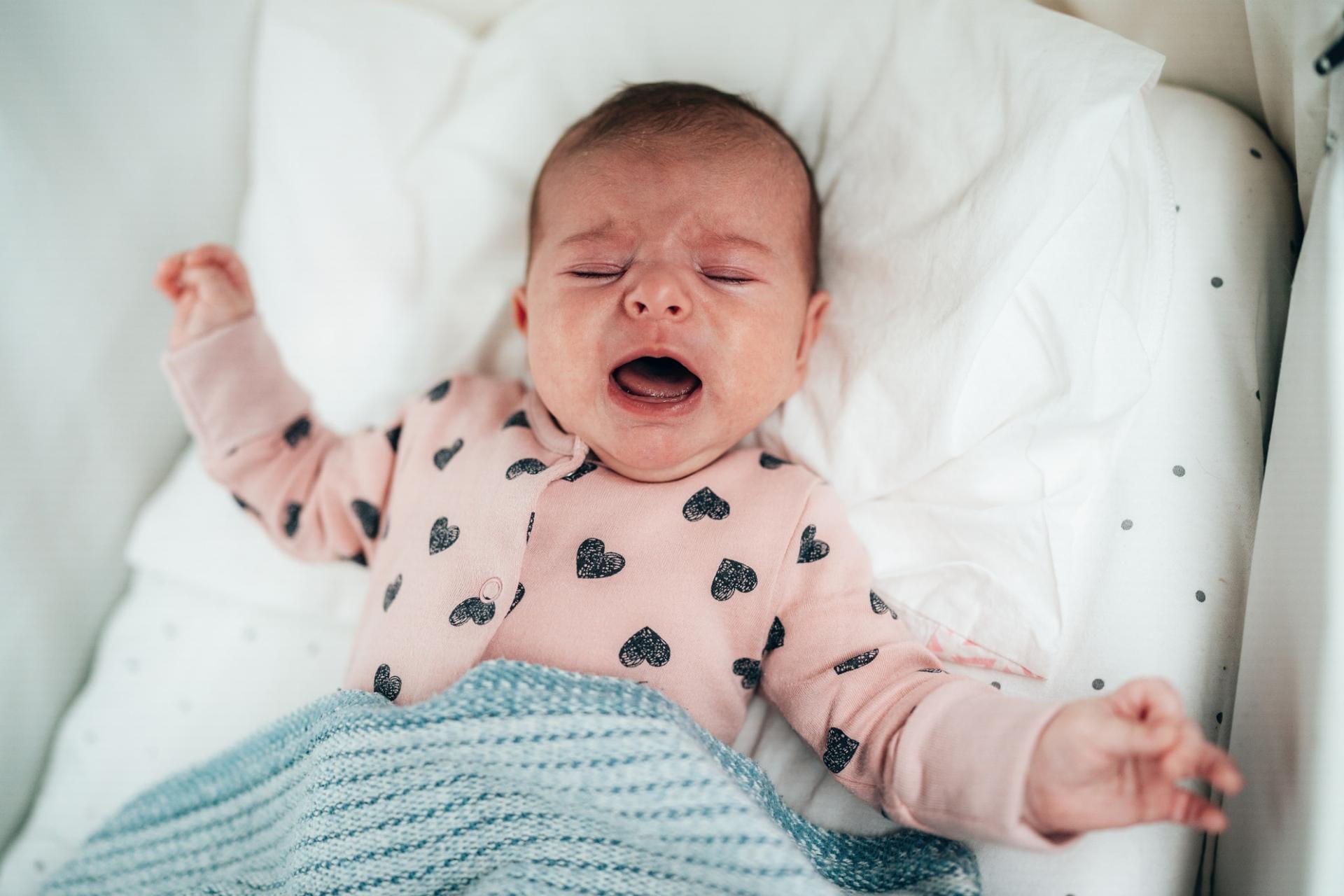
Babies’ crying is one of their first ways to communicate their need for parental attention and support. When left to cry, they may learn their calls for help go unheard, which can harm the development of emotional bonds.
Psychological studies show that the trust built in the first years is crucial for later life, influencing personality growth and self-esteem.
Contrary to old beliefs that babies "manipulate" adults, modern psychology understands infants focus on meeting basic needs—hunger, pain, loneliness. Ignoring these needs can cause long-term stress, affecting their physical development.
Decline in Sleep Quality
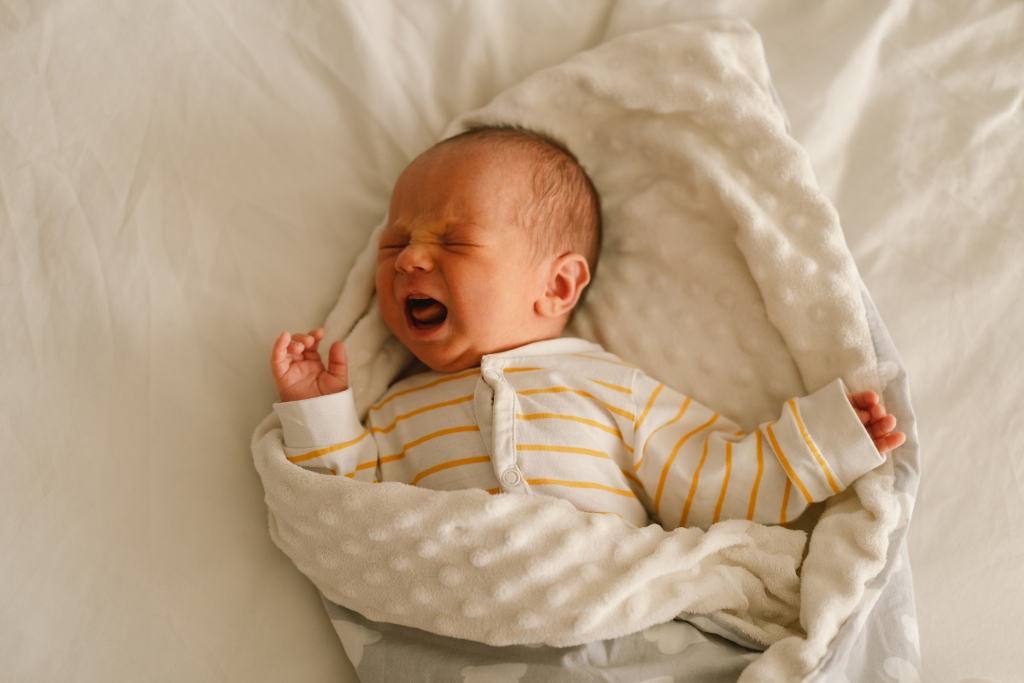
Another key point often overlooked is that letting babies cry doesn’t guarantee better sleep for them or their parents. Though it may seem babies fall asleep faster, their sleep cycles often suffer due to stress.
Sleep researchers note that stress hormones like cortisol can negatively affect children’s sleep patterns and overall health over time.
Research shows that feeling calm and safe during sleep is just as vital for infants as physical safety. Without this, babies may show restlessness or heightened sensitivity to new stimuli during the day.
Alternative Approaches to Sleep Training
It’s important to remember that not every baby or parent responds the same way to sleep training methods. Sensitive babies often benefit more from gradual transitions that slowly reduce parental presence without leaving them to cry alone.
Gentle sleep training, for example, involves parents sitting by the crib and gradually moving away, offering security while teaching babies to sleep independently.
Finding the right sleep training approach takes patience and trial, but tailoring strategies to your child’s personality leads to more balanced results for both baby and family in the long run.
In summary, the long-term effects of letting babies cry highlight the vital role of emotional intelligence and empathy in parenting. By approaching sleep training with empathy, parents not only ease their own lives but also build a strong emotional foundation for their child that lasts for decades.