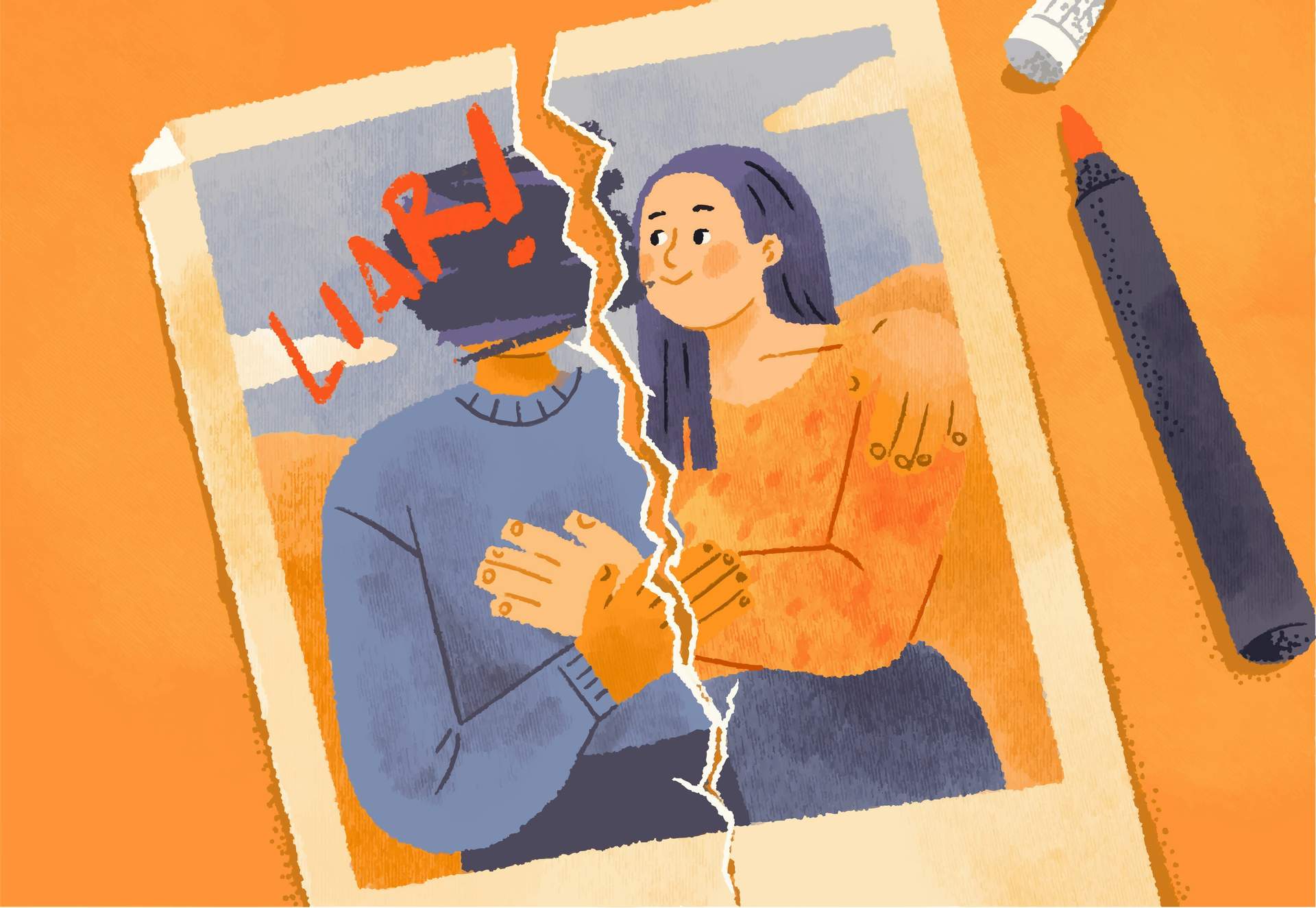
Saying "yes" often feels like the easier choice when someone asks something of us, even if it goes against our true desires. But what’s truly fascinating is the intricate process our brain goes through every time we have to break the norm and say "no."
The Human Brain and Decision-Making
Our brain is amazing at weighing the information available when faced with a decision. Over evolution, it has adapted to social dynamics, with survival and maintaining relationships always at the core of our choices. Several brain areas are directly involved in decision-making, like the prefrontal cortex, which handles rational thinking and considering future consequences.
The Emotional Side of Saying No
Saying no isn’t just logical—it carries a strong emotional weight. The amygdala, part of our limbic system, plays a key role in our emotional reactions, so we often experience a wide range of feelings, from guilt to relief.
Research shows people often say no because they crave freedom or want to protect their mental health, even when social pressure pushes them the other way.
The Power of Habit and Saying No
Our habits strongly shape our decisions, including how easily we say no. The brain’s habitual system, tied to routine activities, often nudges us to stick with what’s familiar because it feels safe. But when we break these habits and boldly express our needs, the brain starts rewiring this decision pattern, strengthening the new habit with every no.

The Role of Self-Esteem
How well we can say no depends a lot on our self-esteem and how much we value our own opinions and feelings.
Self-esteem is a key psychological factor that directly influences our actions, including how confidently we assert ourselves without fearing others’ judgments.
The inner confidence built over time through the ability to say no supports overall mental well-being and self-assurance. Studies find that people who regularly say no tend to have higher self-confidence and are less prone to depression. Still, it’s important to communicate our no’s thoughtfully to avoid conflicts and keep our relationships healthy.