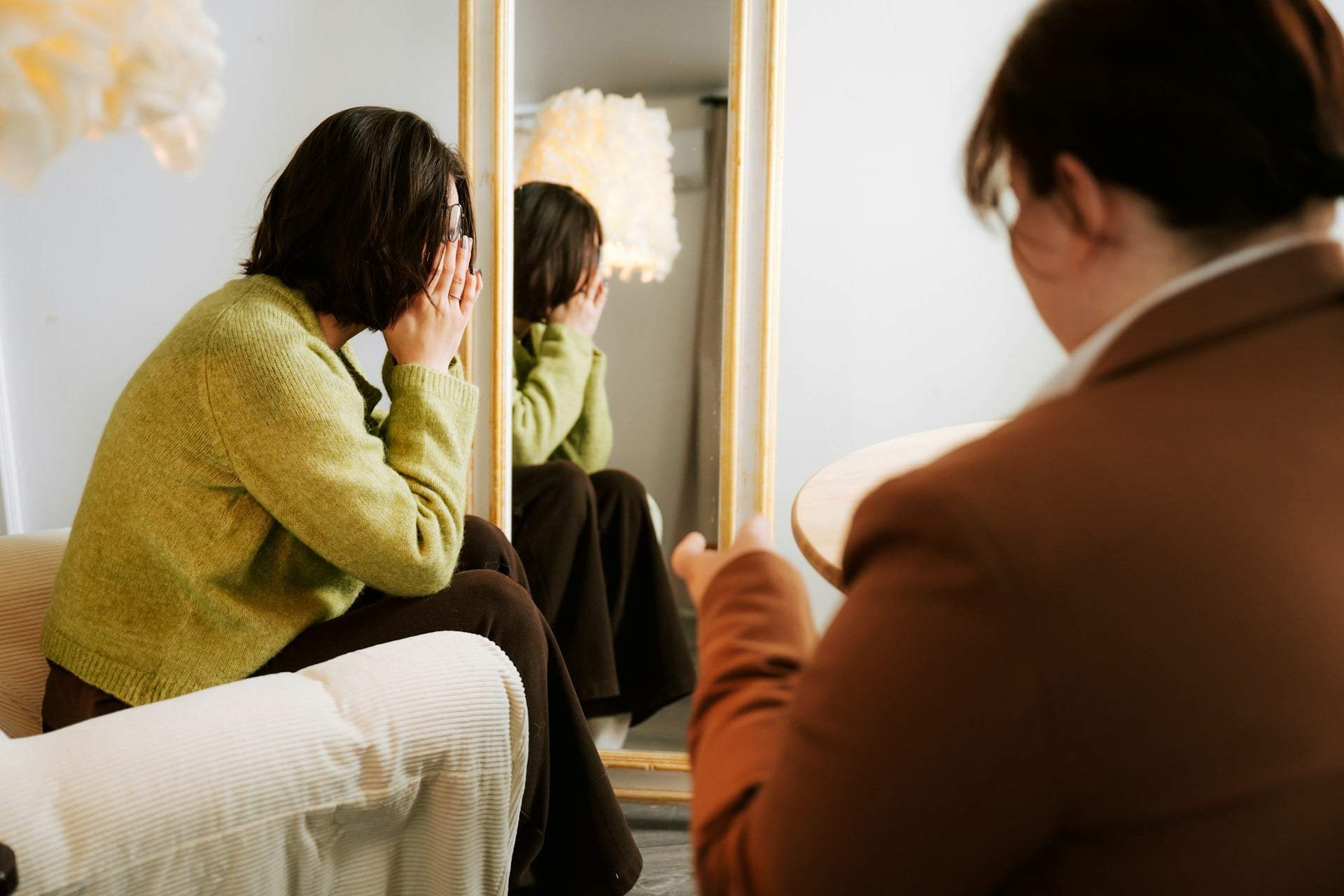
Most people know that the mind can help heal the body. But far fewer realize it can do the opposite — that simply believing something will make you feel worse can actually make you feel worse. This is the nocebo effect, and it's more powerful than most of us want to admit.
What is the nocebo effect?
The word "nocebo" comes from the Latin nocere, meaning to harm. It's the dark mirror image of the placebo effect.
The nocebo effect occurs when a person's expectations and beliefs trigger real, negative physical symptoms — even when there is no physical cause for them.
If someone believes that a harmless treatment will cause side effects, they may genuinely begin to experience those side effects. This isn't imagination or exaggeration — it's a measurable psychological and physiological process. It's one reason why drug trials are so complex: patients often react to placebos and real medications in strikingly similar ways.
What's actually happening in the body?
How can a belief produce a real physical symptom? The answer lies in the brain. Our expectations can directly alter the brain's neurochemical activity — including how we perceive pain and how our immune system responds.
Research has shown that during the nocebo effect, stress responses and anxiety levels rise, and this can trigger a cascade of physical symptoms: headaches, dizziness, nausea, even heart palpitations. These aren't "all in the head" in a dismissive sense — they are real, measurable reactions.
The mechanism involves stress hormones like cortisol, which flood the body in response to anxious anticipation. Once that chain reaction starts, the body follows where the mind leads — for better or worse.
The nocebo effect in everyday life
You've probably experienced a mild version of this yourself. Think about the last time you Googled a minor symptom and ended up convinced you had something serious. That spiral of health anxiety? It's a classic nocebo trigger — and it can genuinely amplify the symptoms you were originally worried about.
If you recognize yourself in that pattern, you're not alone. Searching for symptoms online can quickly turn into health anxiety — and health anxiety is one of the most fertile grounds for the nocebo effect.
It also shows up in medical settings. When a doctor describes a bleak prognosis in stark terms, or when a patient reads through a long list of potential drug side effects, the expectation of feeling bad can become a self-fulfilling prophecy — even when the actual risk is very low.
How to protect yourself from the nocebo effect
The good news is that awareness is already a form of protection. Once you understand that negative expectations can produce real symptoms, you can start to question those expectations before they take hold.
Doctors can play a key role here too. Framing information positively, focusing on what a treatment is likely to achieve rather than leading with every possible side effect, can meaningfully reduce nocebo responses in patients.
On a personal level, it helps to:
- Notice when fear or anxiety is shaping how you feel physically
- Challenge irrational health fears with calm, rational thinking
- Lean on supportive relationships — social connection buffers stress
- Practice relaxation techniques like meditation or breathing exercises, which can interrupt the stress hormone cycle
The nocebo effect is a fascinating reminder of just how tightly the mind and body are connected. Understanding it doesn't just satisfy curiosity — it can reduce unnecessary suffering and help you get more out of medical care. The stories your mind tells about your body matter more than most of us realize.